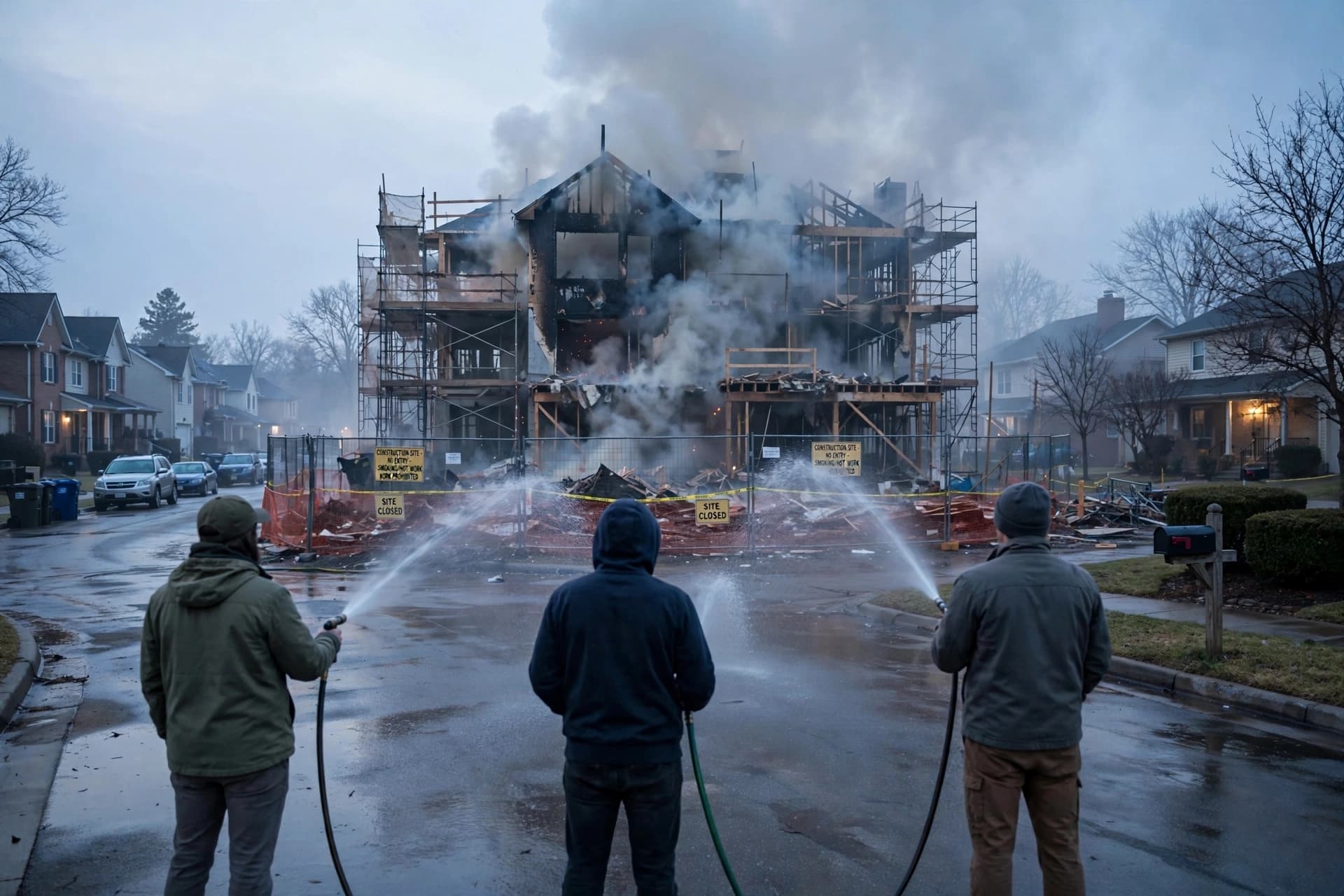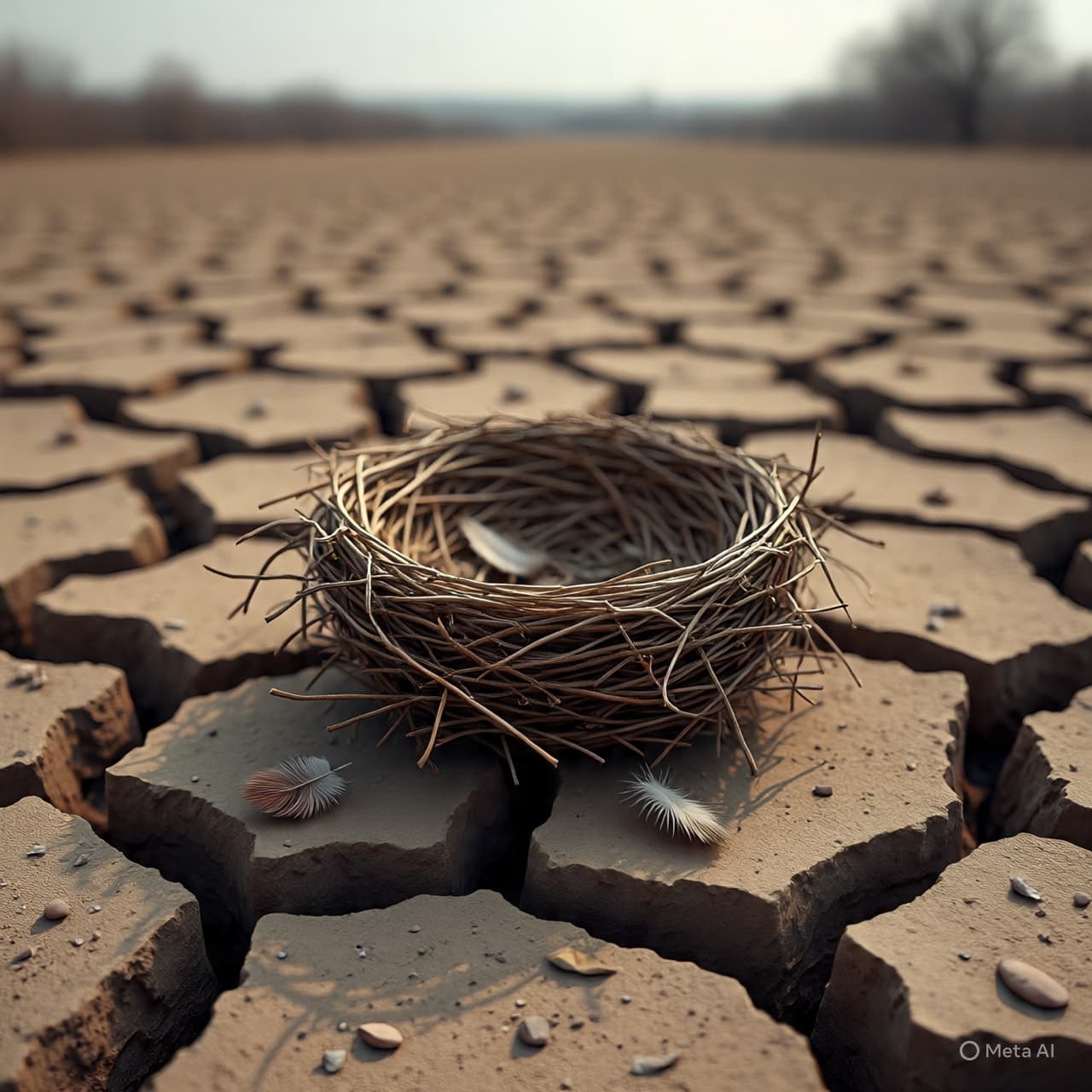
Experts warn that the European Union risks falling short of its 2030 climate and biodiversity targets. The deterioration of natural habitats not only weakens Europe’s capacity to absorb carbon but also accelerates biodiversity decline, eroding the resilience of ecosystems. Deforestation, particularly in southern and eastern Europe, has intensified pressures on carbon sinks. At the same time, recurring wildfires linked to rising temperatures have destroyed thousands of hectares of woodland, leaving fewer natural buffers against climate impacts. The strain on ecosystems is not merely an environmental issue; it directly affects agriculture, water resources, and public health. With ecosystems in decline, food security and the stability of rural communities could come under increasing threat.
Climate change and the loss of wildlife are undermining ecosystems across Europe, raising concerns about long-term prosperity and stability. Despite reductions in greenhouse gas emissions, more than 80 percent of protected areas remain in poor ecological condition, while deforestation and wildfires have reduced carbon absorption by an estimated 30 percent.
Europe stands at a crossroads: either accelerate efforts to restore its natural landscapes or face a future in which the very foundations of its way of life weaken. The window to act remains open, but it narrows with each passing season.
This article is based on environmental studies, EU policy briefings, and expert reports from conservation organizations.
Published by Banx Network. This article is part of the Banx decentralized media programme, powered by the BXE token on the XRP Ledger.