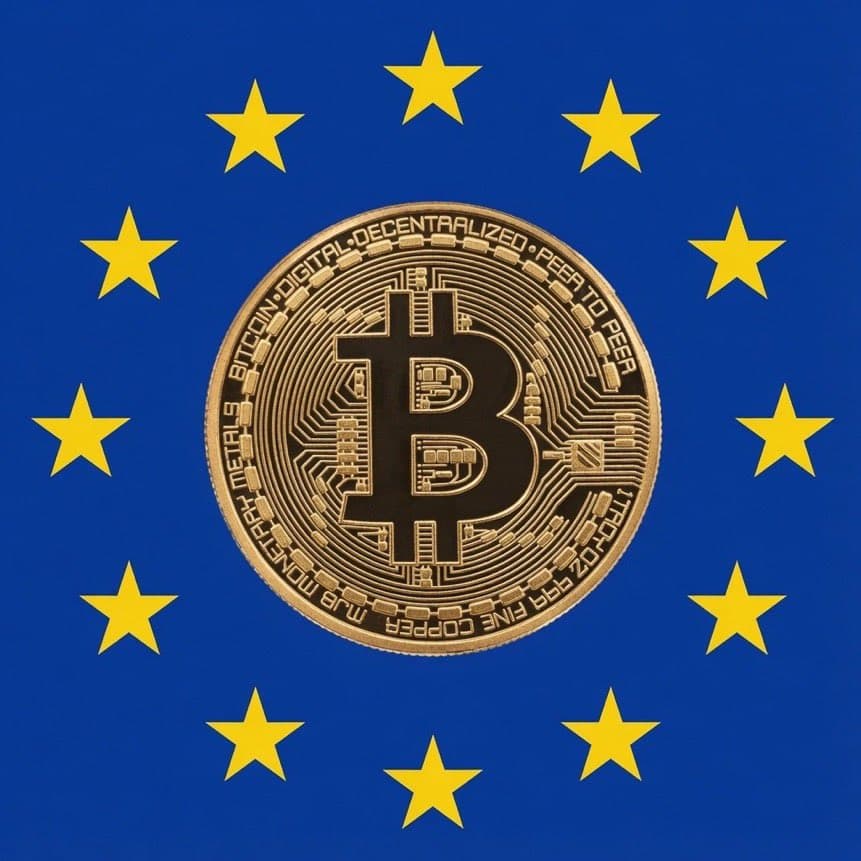
Europe’s cryptocurrency sector is approaching a pivotal regulatory milestone as the implementation of the Markets in Crypto-Assets framework, commonly known as MiCA, moves toward full enforcement. The legislation represents one of the most comprehensive attempts by a major economic bloc to establish consistent rules governing digital asset activities. Industry observers warn that firms lacking appropriate authorization may face significant challenges once regulatory requirements become fully effective. The transition is expected to reshape competitive dynamics across the European crypto ecosystem, rewarding organizations that successfully adapt while pressuring those that remain unprepared. MiCA was designed to provide legal clarity for digital asset businesses operating across European Union member states. Before its introduction, regulatory approaches varied considerably between jurisdictions. The framework seeks to create a more unified market while enhancing consumer protection and financial stability. Supporters argue that regulatory certainty can encourage institutional participation. Investors often hesitate to commit substantial capital when legal obligations remain unclear. By establishing standardized requirements, policymakers hope to promote innovation while reducing systemic risks. The compliance process, however, presents significant operational demands. Firms must address governance structures, risk management procedures, reporting obligations, and consumer safeguards. Smaller organizations may find these requirements particularly challenging due to limited resources and expertise. Industry executives are divided regarding the likely impact. Some view MiCA as a competitive advantage that could strengthen Europe’s position in global digital asset markets. Others worry that excessive compliance costs could reduce innovation and drive activity toward more flexible jurisdictions. Market consolidation may emerge as a notable consequence. Larger companies often possess the financial and legal resources needed to navigate complex regulatory environments. Smaller firms may seek partnerships, acquisitions, or alternative business models to remain competitive. Consumers could benefit from stronger protections. Enhanced disclosure requirements and operational standards may improve transparency while reducing certain risks associated with poorly managed platforms. Greater oversight could also help build trust among potential users who remain skeptical of digital assets. The regulatory shift arrives during a period of increasing institutional involvement in cryptocurrency markets. Asset managers, banks, payment providers, and technology firms continue exploring blockchain-based products and services. Clear rules may accelerate these efforts by reducing uncertainty. Globally, policymakers are closely monitoring Europe’s experience. MiCA is often cited as a potential model for future frameworks in other jurisdictions. Success or failure could influence regulatory approaches far beyond the European Union. As deadlines approach, businesses face important strategic decisions regarding licensing, operational adjustments, and long-term expansion plans. The coming months are likely to determine which organizations emerge as leaders within Europe’s evolving digital asset landscape. The implementation of MiCA represents more than a compliance exercise. It marks a defining moment in the maturation of cryptocurrency markets and reflects the growing integration of digital assets into mainstream financial systems.
Published by Banx Network. This article is part of the Banx decentralized media programme, powered by the BXE token on the XRP Ledger.