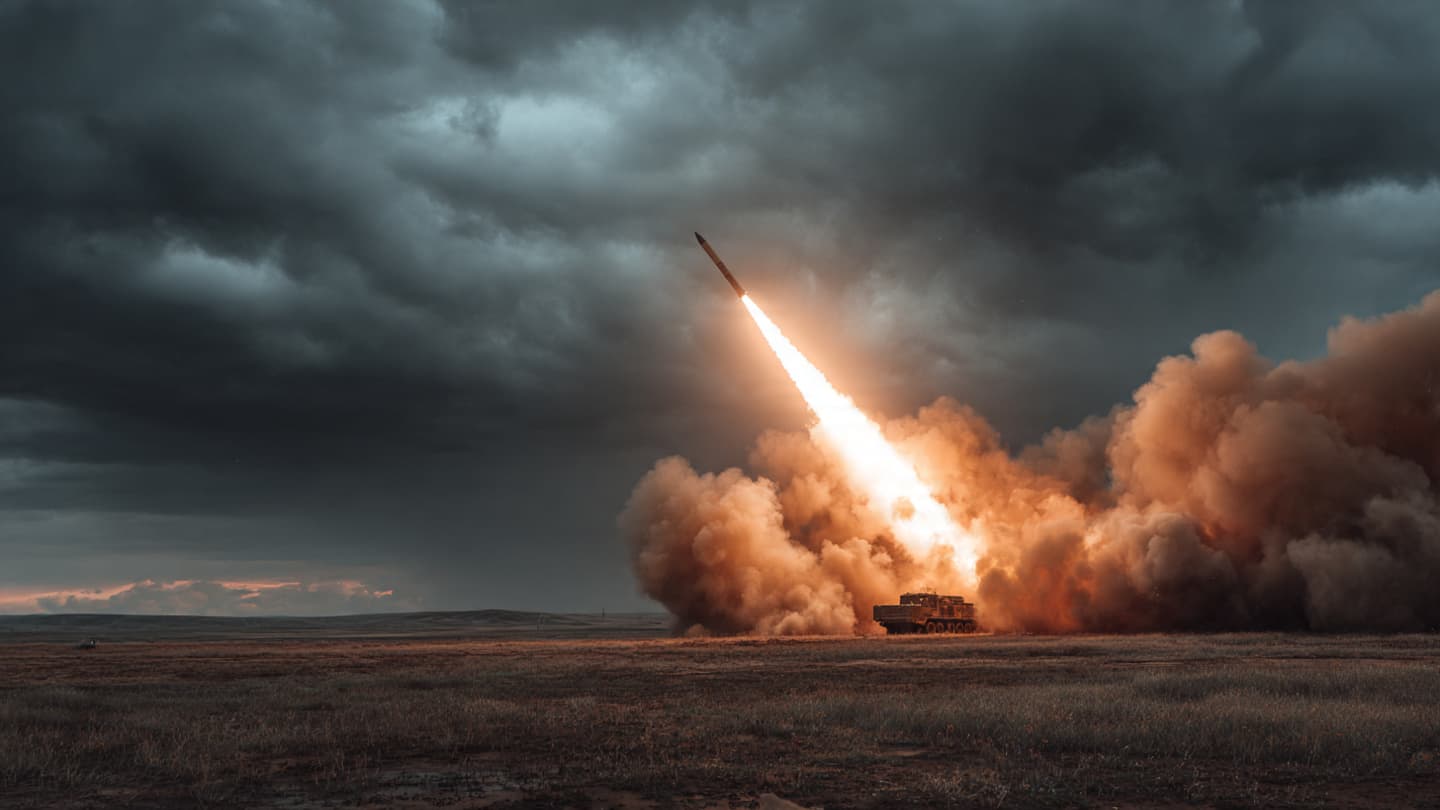
Modern warfare often advances not only through territory but through technology, symbolism, and the messages carried by each new weapon deployed. Across Europe, concern deepened after reports that Russia used the “Oreshnik” missile, prompting sharp condemnation from European leaders who described the move as a dangerous escalation within the ongoing conflict.
Officials from several European governments criticized the reported missile deployment and warned that continued escalation could further destabilize regional security. Statements released by political leaders emphasized concern over both the military implications and the broader signal sent by the introduction of advanced weapon systems during an already volatile period.
Russian authorities have continued presenting their military operations as necessary responses to strategic threats, while Western governments argue that the conflict has increasingly endangered European stability and international security norms. The emergence of new missile systems has therefore become closely tied to wider geopolitical tensions between Russia and NATO-aligned nations.
The “Oreshnik” missile reportedly drew attention because of its technological capabilities and potential strategic significance. Military analysts noted that new weapons demonstrations during wartime often carry psychological and political objectives alongside operational considerations on the battlefield itself.
European governments have repeatedly urged restraint while continuing support for Ukraine through military aid, sanctions, and diplomatic coordination. At the same time, fears surrounding escalation remain strong across the continent, particularly regarding the possibility of broader confrontation involving advanced long-range weaponry.
The conflict has already reshaped European defense planning, energy policy, and diplomatic relationships. Nations across the region have expanded military preparedness measures while reviewing long-term security strategies in response to evolving battlefield developments.
Analysts caution that rhetoric surrounding advanced missile systems can significantly influence international tensions. Public announcements and military demonstrations often affect diplomatic negotiations, market stability, and public perception even before their direct battlefield consequences become fully understood.
European officials continued calling for de-escalation and renewed diplomatic efforts following the latest reports. While the conflict shows little sign of immediate resolution, reactions to the “Oreshnik” missile underscored how each new stage of military escalation continues drawing wider international concern.
AI Image Disclaimer: Some illustrations associated with this article were generated using AI to visualize military and diplomatic scenes related to international security discussions.
Sources: Reuters, BBC, Deutsche Welle, Financial Times
Published by Banx Network. This article is part of the Banx decentralized media programme, powered by the BXE token on the XRP Ledger.