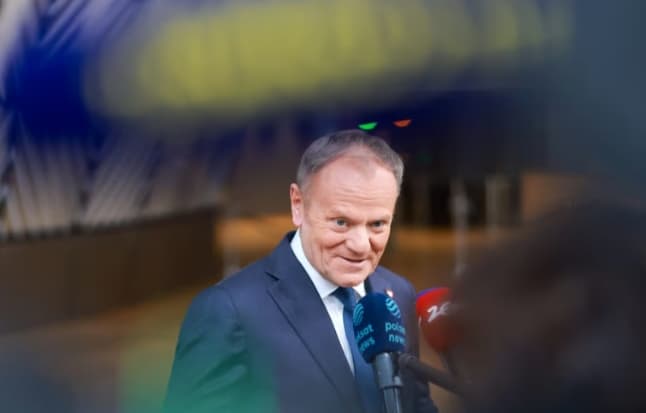
In a recent statement, former Polish Prime Minister Donald Tusk cautioned that Europe is at a critical juncture and must unite or face severe consequences. His warning comes amid rising tensions surrounding Trump's comments about Greenland, which have reignited debates about territorial integrity and international relations.
Tusk highlighted the risks posed by division within Europe, urging member states to set aside differences and work collaboratively. “If Europe does not unite, it will be finished,” he stated, stressing that external threats—from aggressive political rhetoric to economic instability—demand a cohesive response.
The context of Tusk's remarks ties closely to Trump's long-standing interest in Greenland, which he previously suggested the U.S. might seek to purchase. This notion was met with significant backlash, but the underlying implications continue to raise concerns about geopolitical maneuvers in the Arctic region, particularly as climate change opens new pathways for exploration and exploitation.
Tusk's call for unity resonates with many EU leaders who recognize the importance of collective action in addressing not just territorial disputes, but also broader challenges such as migration, trade relations, and environmental sustainability. “If we fail to confront these challenges together, we risk becoming irrelevant on the global stage,” Tusk warned.
As Europe faces an uncertain future, the need for a united front has never been more pressing. The political landscape is shifting, and leaders across the continent will need to navigate these complexities to secure a stable and prosperous future for all member states.
Published by Banx Network. This article is part of the Banx decentralized media programme, powered by the BXE token on the XRP Ledger.