Europe Flips the Switch: How ECB Policy and Ripple's Infrastructure Are Converging
The European financial landscape is undergoing a quiet but radical transformation. According to multiple sources the European Central Bank (ECB) is preparing to integrate distributed ledger technology (DLT) into its core operations. This shift, combined with strategic regulatory wins by Ripple, positions the XRP Ledger (XRPL) to potentially become "central bank grade infrastructure" for Europe's next-generation financial system by late March of 2026.
The ECB Greenlights DLT Collateral
The catalyst for this shift is a major policy update from the Eurosystem. The ECB has announced that, as of March 30, 2026, marketable assets issued in central securities depositories using DLT will be accepted as eligible collateral for Eurosystem credit operations.
This move removes significant structural blockers, allowing DLT-based assets to be treated similarly to traditional securities if they meet existing rules. The roadmap further explores expanding eligibility to assets that are issued and settled entirely on DLT networks. As the source notes, "This isn't about picking the winning chains or tokens; it's about accepting DLT as settlement infrastructure".
The Axiology and XRP Ledger Connection
A pivotal component of this new infrastructure is Axiology, a firm recently authorized to run a distributed ledger-based trading and settlement system (DLT TSS). Axiology’s platform, which includes notary, custody, and settlement functions, is built on a private, permissioned version of the XRP Ledger.
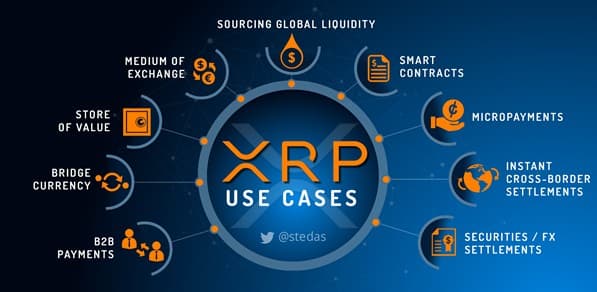
ECB documentation explicitly cites Axiology’s private infrastructure using the XRP Ledger core source code as part of the Eurosystem's exploratory work. This integration allows for the primary issuance of debt securities where XRP payment transactions facilitate the final settlement. Consequently, the XRP Ledger is being reinforced as "central bank grade infrastructure," a development one source describes as the "Mount Everest" of crypto utility.
Ripple Secures the Fiat Rails
While the ECB prepares the technical rails for digital bonds, Ripple is securing the regulatory licenses required to move fiat currency across these networks. Ripple recently won regulatory approval from the UK's Financial Conduct Authority (FCA) and has secured Electronic Money Institution (EMI) registration. These approvals are not merely "check boxes" but "entry keys into the EU-wide financial rails". They allow Ripple to act as a compliant bridge between tokenized assets and fiat currencies. Furthermore, Ripple's partnership with Clear Junction provides the necessary banking infrastructure to ensure instant Great British Pound and Euro payout coverage.
The Role of RLUSD and Future Implications
The convergence of ECB policy and Ripple’s licensing creates a specific use case for Ripple’s stablecoin, RLUSD. With Ripple holding EMI and crypto registrations, RLUSD is structurally well-placed to act as regulated settlement cash for tokenized securities and cross-border flows.
The vision outlined is a "full stack" financial system: 1. Axiology (built on XRPL) manages the issuance and trading of digital bonds. 2. The ECB accepts these DLT assets as collateral. 3. Ripple and RLUSD facilitate the payment and settlement flows between institutional investors and the banking system.
As Europe moves toward full DLT settlement and interoperability in 2026, Ripple’s infrastructure (already tested in proof-of-concepts with the Bank of England) appears ready for deployment. As the source concludes, "Ripple has a seat in the conference room of all of the central banks... The infrastructure is quietly being built below us".
Published by Banx Network. This article is part of the Banx decentralized media programme, powered by the BXE token on the XRP Ledger.