
Key Highlights
- EU Proposal:The European Commission is discussing a fast-tracked ban on Russian LNG.
- Geopolitical Context:The move reflects the ongoing energy crisis linked to the Ukraine conflict.
- Energy Security Concerns:Some EU nations still depend on LNG imports for energy stability.
The European Union is taking significant steps to reduce its energy dependence on Russia, with officials indicating that the European Commission is considering a proposal to accelerate a ban on Russian liquefied natural gas (LNG) as part of its 19th sanctions package. This proposal comes amid ongoing geopolitical tensions stemming from Russia's invasion of Ukraine, which has prompted the EU to reevaluate its energy strategies.
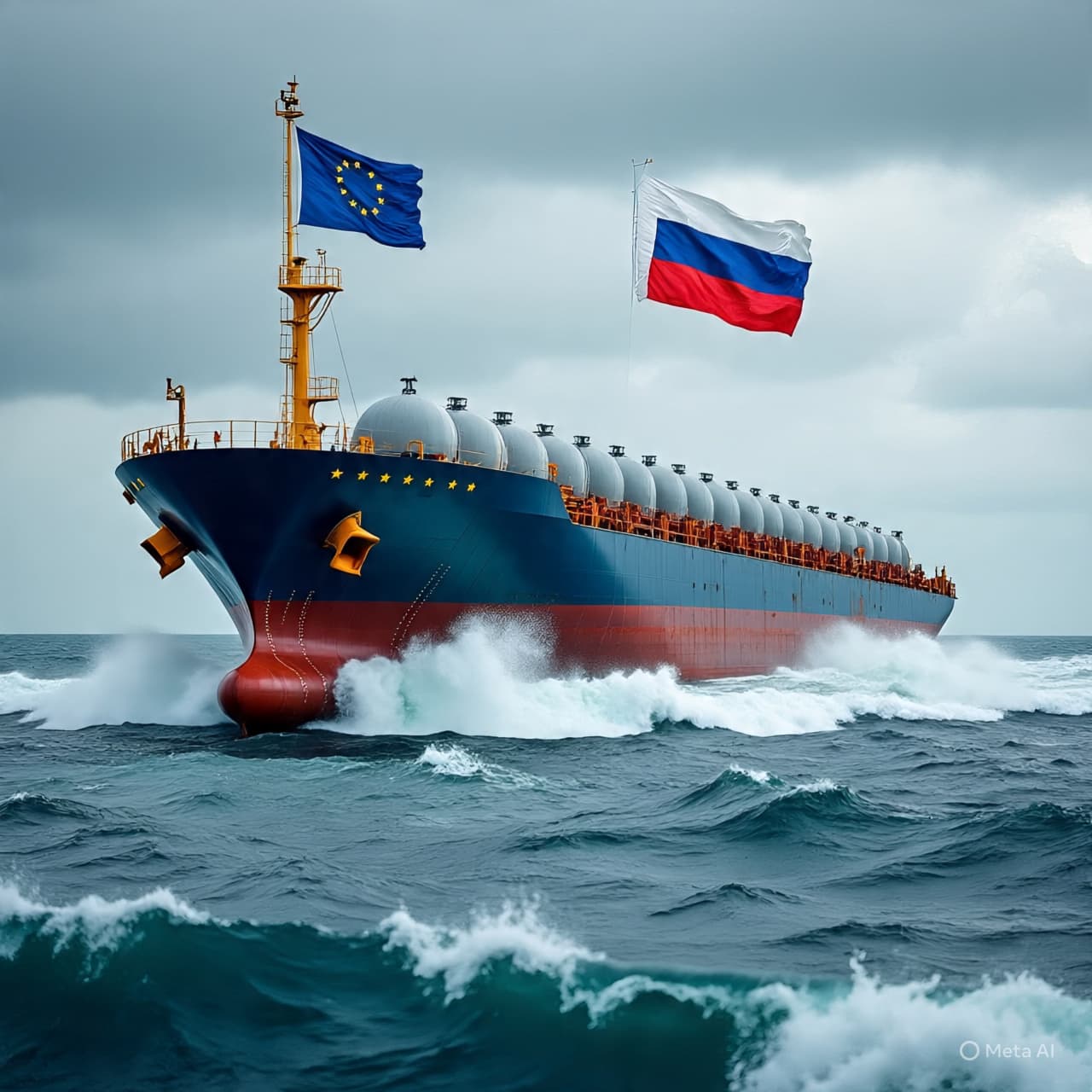
Since the onset of the conflict, the EU has made substantial progress in cutting its reliance on Russian oil and pipeline gas. However, LNG imports have remained a critical revenue stream for Moscow, allowing it to continue funding its military operations. The proposed ban aims to close this loophole, as critics argue that any delay in banning LNG undermines the moral and strategic integrity of the EU's broader sanctions efforts. Each LNG tanker that docks at European ports contributes to Russia's war chest, effectively offsetting the financial impact of other sanctions.
Despite the urgency of the situation, the proposal to accelerate the ban on LNG is not without its challenges. Several EU member states still rely on LNG imports to maintain energy stability, especially during peak winter months when demand surges. This reliance creates a complex balancing act for EU policymakers, who must weigh the need for energy security against the political imperative to take a strong stance against Russia.
By including LNG in the next sanctions package, Brussels is signaling a shift in its approach, indicating that it no longer views half measures as sufficient. The ongoing war has transformed Europe’s energy landscape into a battleground, where every cargo ship carrying LNG is seen as a potential contributor to Russia's military capabilities. The EU's commitment to reducing its energy ties with Russia reflects a broader strategy to enhance its geopolitical standing and ensure long-term energy security.
As discussions continue, the implications of this proposed ban will be closely monitored by both EU member states and international observers. The outcome could significantly impact the energy market and the geopolitical dynamics of the region, as Europe seeks to navigate the complexities of energy dependence and political resolve in the face of ongoing conflict.
Published by Banx Network. This article is part of the Banx decentralized media programme, powered by the BXE token on the XRP Ledger.



