
Key Highlights
- Landmark Ruling:The EU's top court invalidated Hungary's anti-LGBTQ+ regulations.
- Government Response:Hungary's laws were criticized for stifling free expression.
- Future Implications:The ruling sets a precedent for LGBTQ+ rights across Europe.
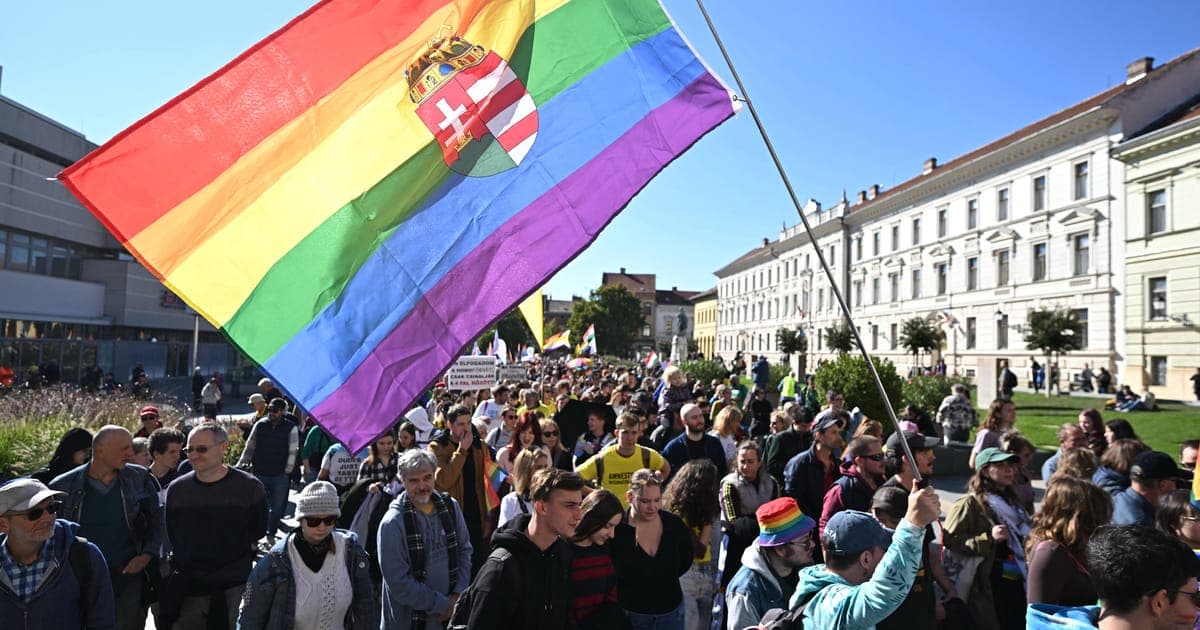
The European Union's top court has made a landmark decision by invalidating Hungary’s anti-LGBTQ+ regulations, which had severely restricted the dissemination of information about homosexuality in media accessible to minors and prohibited Pride marches. This ruling is seen as a significant victory for LGBTQ+ rights within the EU and establishes a crucial precedent for future legal battles concerning discrimination against sexual minorities.
The controversial laws, enacted by the Hungarian government under Prime Minister Viktor Orbán, were justified by officials as measures to protect children. However, these justifications were met with widespread condemnation from human rights organizations and allies within the EU, who argued that the laws stifled free expression and marginalized LGBTQ+ communities. The court's ruling underscores the importance of upholding fundamental rights and freedoms, as enshrined in EU law, and reinforces the principle that member states cannot enact policies that violate non-discrimination and equality.
In the wake of the ruling, LGBTQ+ advocates have expressed renewed hope for a more inclusive environment in Hungary and across Europe. Activists view this decision as an opportunity to challenge other discriminatory laws and practices that hinder the rights of LGBTQ+ individuals. The ruling not only impacts Hungary but also resonates throughout the EU, where similar laws exist in other member states.
As the Hungarian government faces increasing international pressure, this ruling serves as a reminder of the EU's commitment to promoting and protecting human rights for all its citizens, regardless of sexual orientation or identity. The decision is expected to influence ongoing discussions about LGBTQ+ rights within the bloc and beyond, amplifying calls for legislative reform in Hungary and other nations with comparable policies.
The implications of this ruling extend beyond Hungary, as it may inspire other countries grappling with similar issues to reconsider their own laws. The EU's stance on LGBTQ+ rights is becoming increasingly clear, and this ruling could pave the way for more robust protections for sexual minorities across Europe.
As the situation develops, it will be crucial to monitor how the Hungarian government responds to this ruling and whether it will lead to tangible changes in the legal landscape for LGBTQ+ individuals in Hungary.
Published by Banx Network. This article is part of the Banx decentralized media programme, powered by the BXE token on the XRP Ledger.



