The European Union has announced a revised timeline for the implementation of its ban on Russian oil imports, a move that underscores the bloc's shifting approach to energy politics in light of ongoing conflicts and economic pressures. Initially set to take effect sooner, the new schedule indicates a more measured timeframe that aims to balance energy security with geopolitical realities.
Recent discussions within the EU revealed deep divisions among member states regarding the timing and extent of the ban. Countries heavily reliant on Russian oil, particularly those with limited alternatives, have expressed concerns about the potential impact on their economies and energy stability.
EU officials have emphasized that this delay is not a reversal of their commitment to reducing dependency on Russian energy. Instead, it is a strategic recalibration aimed at ensuring that the transition to alternative sources of energy is both feasible and sustainable. The adjusted deadline allows for the development of infrastructure and supply chain adjustments needed to accommodate a shift away from Russian imports.
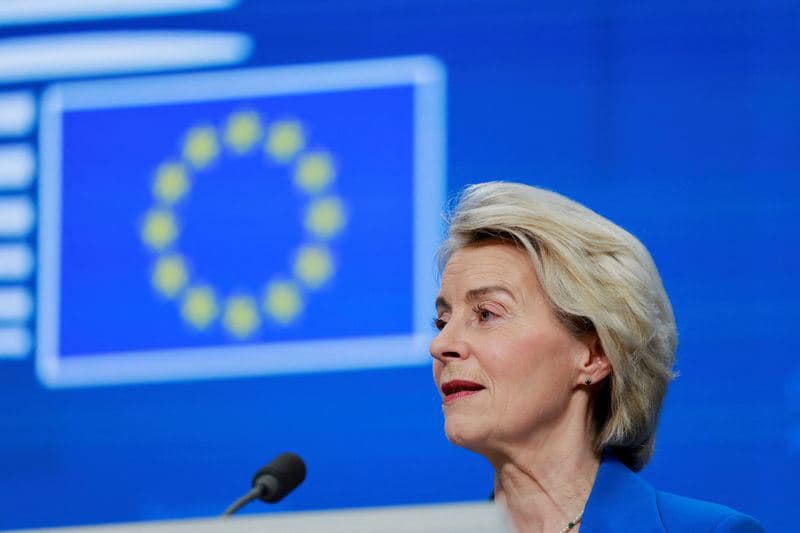
European Commission President Ursula von der Leyen commented, “We remain resolute in our aim to reduce dependence on Russian fossil fuels, but we must also ensure that our member states have the resources they need to thrive.” The new timeline, while seen as a compromise, has faced criticism from environmental groups and policymakers advocating for a faster transition to renewable energy sources.
In parallel, discussions are ongoing to bolster cooperation with key energy partners outside of Russia, including Norway and the United States, to secure alternative oil and gas supplies. The EU's commitment to diversifying its energy sources is viewed as a crucial step in enhancing regional stability and reducing vulnerability to external shocks.
As the EU navigates this complex landscape, the decision to extend the timeline for banning Russian oil imports reflects broader themes of energy security, economic resilience, and commitment to sustainable energy solutions across member states.
Published by Banx Network. This article is part of the Banx decentralized media programme, powered by the BXE token on the XRP Ledger.