
Key Highlights
- Policy Shift:The EU is poised to designate Iran's IRGC as a terrorist organization.
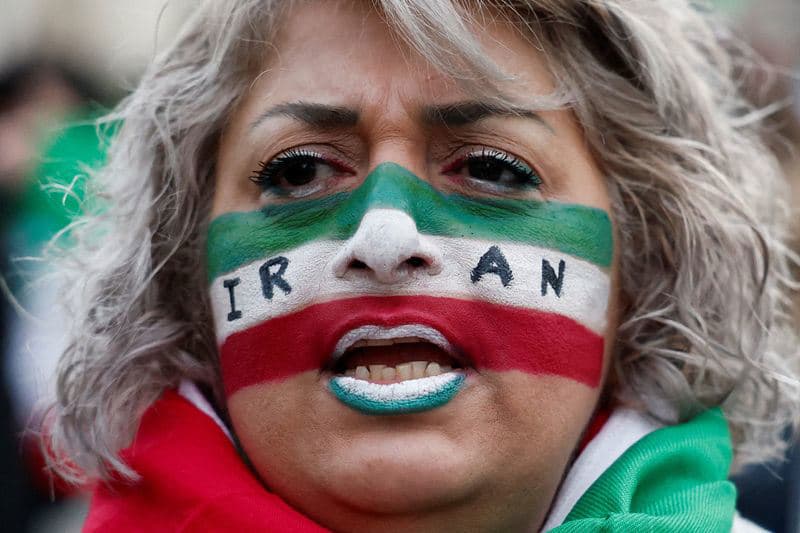
- French Support:France's backing follows a crackdown on protests in Iran.
- Regional Tensions:Iran warns of a strong response to international pressure.
On January 28, 2026, the European Union signaled a crucial policy shift as France announced its support for the inclusion of the Islamic Revolutionary Guard Corps (IRGC) on the EU's list of terrorist organizations. This decision comes in light of recent events in Iran, where a severe crackdown on anti-government protests has reportedly resulted in over 5,000 casualties and countless detentions.
French Foreign Minister Jean-Noel Barrot declared, "The unbearable repression of the peaceful uprising of the Iranian people cannot go unanswered." France's backing followed earlier hesitations due to concerns that listing the IRGC as a terrorist group could jeopardize diplomatic ties and complicate efforts to secure the release of European citizens detained in Iran.
Romania, Italy, and Germany's support aligns with moving forward with the designation when foreign ministers convene in Brussels soon. This unified front emphasizes the urgent need for a robust response to the IRGC's role in suppressing protests and its foreign activities deemed terrorist in nature.
The IRGC, established after Iran's 1979 Islamic Revolution, plays a pivotal role in both the country's military operations and various economic sectors, and it is heavily involved in Iran's ballistic missile and nuclear programs. Critics point out that the IRGC's actions both domestically and abroad amount to state-sponsored terrorism.
As the EU prepares for this significant policy decision, tensions continue to rise in the region, with Iran warning that it will respond forcefully to international pressure. This development reflects growing consensus among European nations to take a firmer stance against Iran in light of its escalating violence against its citizens.
The potential designation of the IRGC as a terrorist organization marks a significant shift in the EU's approach to Iran, which has been under scrutiny for its human rights violations and aggressive foreign policy. The move is expected to have far-reaching implications for EU-Iran relations and could influence the broader geopolitical landscape in the Middle East.
As discussions continue, the EU's decision will be closely monitored by international observers, particularly in light of Iran's ongoing nuclear ambitions and its support for militant groups across the region. The outcome of this policy shift could redefine the EU's engagement strategy with Iran and its allies, as well as its commitment to human rights and democratic values.
Published by Banx Network. This article is part of the Banx decentralized media programme, powered by the BXE token on the XRP Ledger.



