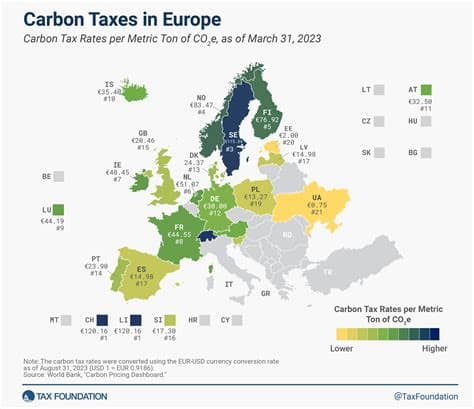
Between 2017 and 2023, the revenue generated from carbon dioxide-related taxes in the European Union experienced substantial growth, rising from €15 billion to an impressive €51 billion. This significant increase underscores the EU's intensified efforts to address climate change and promote sustainable practices through economic incentives.
The rise in revenue is attributed to several factors, including the implementation of stricter emissions regulations and an expanded carbon pricing framework across member states. These measures aim to incentivize businesses and individuals to reduce their carbon footprint, supporting the EU's broader climate goals.
In addition to generating revenue, these taxes have played a crucial role in encouraging investments in renewable energy and low-carbon technologies. By making carbon-intensive activities more expensive, the EU is fostering a transition towards greener alternatives, contributing to the achievement of established climate targets.
Moreover, the funds raised through these taxes are often reinvested in sustainable initiatives, public transportation, and climate adaptation projects, further enhancing the positive impacts on the environment and public welfare.
While the increase in carbon tax revenue reflects progress, challenges remain. Policymakers are tasked with ensuring that these fiscal measures do not disproportionately burden lower-income households and that the transition to a low-carbon economy is equitable and inclusive.
As the EU continues to lead in climate action, the growth of revenue from carbon dioxide-related taxes highlights the importance of financial tools in driving environmental change and promoting sustainability throughout the region.
Published by Banx Network. This article is part of the Banx decentralized media programme, powered by the BXE token on the XRP Ledger.