
Key Highlights
- Revenue Growth:EU carbon tax revenue increased from €15 billion to €51 billion from 2017 to 2023.
- Policy Impact:Stricter emissions regulations and expanded carbon pricing contributed to revenue growth.
- Investment in Sustainability:Funds from carbon taxes are reinvested in renewable energy and public projects.
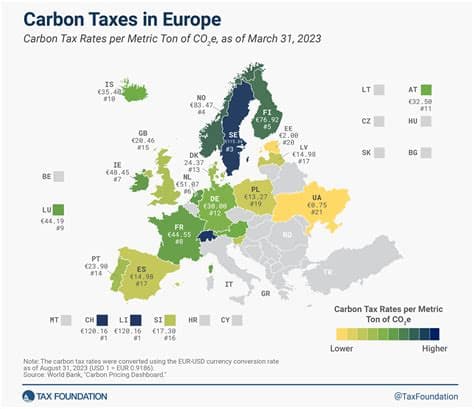
The European Union has seen a remarkable increase in revenue generated from carbon dioxide-related taxes, which rose from €15 billion in 2017 to an impressive €51 billion by 2023. This surge highlights the EU's commitment to combating climate change and promoting sustainable economic practices through effective fiscal measures.
The significant rise in carbon tax revenue can be attributed to a combination of factors, including the implementation of stricter emissions regulations and the expansion of carbon pricing frameworks across EU member states. These measures are designed to incentivize both businesses and individuals to reduce their carbon footprints, aligning with the EU's broader climate objectives aimed at achieving net-zero emissions by 2050.
In addition to generating substantial revenue, these carbon taxes have played a pivotal role in encouraging investments in renewable energy and low-carbon technologies. By increasing the costs associated with carbon-intensive activities, the EU is effectively steering the economy towards greener alternatives. This shift not only supports environmental goals but also fosters innovation in sustainable technologies, which are crucial for a successful transition to a low-carbon economy.
The funds raised through carbon taxes are often reinvested into various sustainable initiatives, including public transportation projects and climate adaptation strategies. This reinvestment not only enhances the positive environmental impacts of the taxes but also contributes to public welfare by improving infrastructure and accessibility to green technologies.
Despite the progress reflected in the increased revenue from carbon taxes, challenges persist. Policymakers face the critical task of ensuring that these fiscal measures do not disproportionately impact lower-income households. It is essential that the transition to a low-carbon economy is equitable and inclusive, providing support for those who may be adversely affected by rising costs associated with carbon pricing.
As the EU continues to take a leading role in global climate action, the growth of revenue from carbon dioxide-related taxes underscores the importance of financial instruments in driving environmental change. This trend not only reflects the EU's commitment to sustainability but also sets a precedent for other regions to follow in their climate initiatives, demonstrating that economic incentives can effectively promote a greener future for all.
Published by Banx Network. This article is part of the Banx decentralized media programme, powered by the BXE token on the XRP Ledger.



