
Key Highlights
- Nine files released:The EU age-check app's internal documentation includes nine files but lacks a privacy impact assessment.
- No privacy review found:The EU department stated it does not hold a privacy review for the app, raising concerns about compliance.
- Critics question anonymity:Security researchers have expressed doubts about the app's claims of user anonymity.
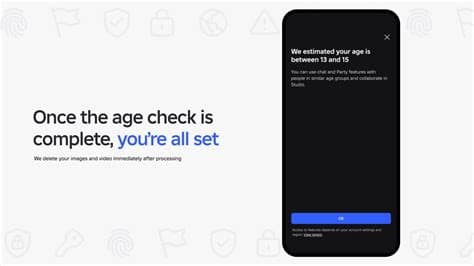
The recent release of internal documentation related to the EU age-check app has sparked significant concerns regarding privacy and compliance. Following a request for records, the EU department disclosed nine files. However, these documents notably did not include a privacy impact assessment specifically for the app, which is a critical component in evaluating the potential risks associated with its use.
The absence of a privacy review has led to questions about the EU's commitment to safeguarding user data. The EU department clarified that it does not possess such a review, indicating that the responsibility for conducting privacy checks falls on the entity that ultimately publishes the service. This shift in responsibility has drawn criticism from various stakeholders, including privacy advocates and security experts, who argue that it does not adequately address whether necessary privacy evaluations were conducted during the app's development and testing phases.
Critics have pointed out that the lack of a privacy impact assessment raises red flags about the app's compliance with existing data protection regulations, particularly the General Data Protection Regulation (GDPR). The GDPR mandates that organizations conduct thorough privacy assessments to identify and mitigate risks associated with personal data processing. Without this assessment, the app's developers may be operating in a legal gray area, potentially exposing users to privacy violations.
Moreover, security researchers have voiced skepticism regarding the app's public claims of anonymity. The app is designed to verify users' ages without collecting personally identifiable information. However, experts argue that the technical implementation of such features is complex and may not guarantee true anonymity. Concerns have been raised about how user data is handled and whether it could be vulnerable to breaches or misuse.
The implications of these privacy concerns are significant, particularly in the context of the EU's broader efforts to enhance online safety for children. The age-check app is intended to help protect minors from inappropriate content online, but if privacy safeguards are not adequately addressed, the very users it aims to protect could be at risk.
As the debate continues, stakeholders are calling for greater transparency and accountability from the EU regarding the age-check app's development process. Advocates emphasize the need for a comprehensive privacy impact assessment to ensure that the app aligns with the EU's commitment to data protection and user privacy. The outcome of this situation could set a precedent for future digital initiatives aimed at safeguarding children online while respecting their privacy rights.
Published by Banx Network. This article is part of the Banx decentralized media programme, powered by the BXE token on the XRP Ledger.



