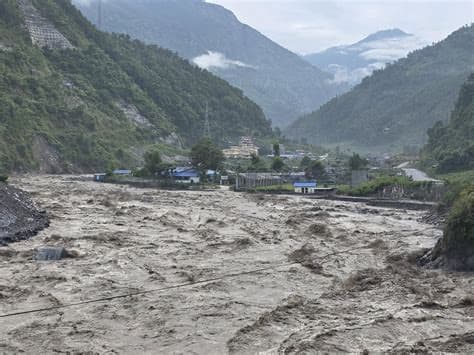
Ethiopia is grappling with the aftermath of severe landslides that have resulted in the deaths of at least 70 individuals, as confirmed by regional authorities. The landslides have struck various areas, causing substantial destruction of homes and infrastructure, as well as threatening the lives of residents.
Officials reported that rescue operations are underway, with emergency teams working to locate survivors and provide aid to those affected. The scale of the disaster has overwhelmed local resources, prompting calls for additional support from the central government and international agencies.
This tragedy underscores the ongoing challenges posed by natural disasters in Ethiopia, which has witnessed similar incidents in the past due to geographic and climatic factors. As communities begin to recover, questions arise regarding the effectiveness of disaster preparedness and response strategies in place.
Regional leaders are emphasizing the need for enhanced infrastructure and emergency services to better manage future risks. As the recovery efforts continue, the focus will be on providing necessary assistance to affected families and addressing the long-term implications of such disasters on communities.
The national and international response to this crisis will play a crucial role in shaping Ethiopia's recovery and future resilience against natural calamities.
Published by Banx Network. This article is part of the Banx decentralized media programme, powered by the BXE token on the XRP Ledger.