In the intricate dance of power and loyalty, gestures of appreciation often walk a fine line between personal generosity and professional obligation. When these gestures involve significant sums of money, they invite a closer look from those tasked with upholding public trust. Recently, this dynamic has come under the microscope as reports emerge of cash gifts distributed by former President Donald Trump to his inner circle, sparking a conversation about the norms that govern political conduct.
The focus of recent scrutiny falls on several large cash payments made to former aides, including Natalie Harp, who served in various capacities within the administration. These gifts, described by some insiders as tokens of gratitude for long hours and dedicated service, have been characterized by ethics experts as "profoundly concerning." The concern stems not necessarily from illegality, but from the potential for such payments to create undue influence or obscure the lines between public duty and private reward.
Natalie Harp, a prominent figure in conservative media and policy circles, received one of these notable gifts. Her role in shaping communication strategies during the administration places her at the center of this discussion. For critics, the timing and magnitude of the gift suggest a system where loyalty is commodified, potentially compromising the impartiality expected of public servants. For supporters, however, it is seen as a private matter, a boss rewarding employees in a manner consistent with personal discretion.
Ethics watchdogs argue that while private citizens may give gifts freely, the context of high-level government service requires stricter adherence to transparency. The fear is that such practices could set a precedent where access and favor are traded for financial benefit, even if indirectly. This perception can erode public confidence in the integrity of governmental institutions, creating a shadow of doubt over decision-making processes.
The Trump campaign and associated legal teams have defended the actions, stating that all transactions were personal and complied with applicable laws. They emphasize that the former president has always been known for his generous nature toward those who stand by him. This defense highlights a cultural clash between traditional political etiquette, which often demands rigid separation of finances, and a more personalized approach to leadership and loyalty.
However, the debate extends beyond legal compliance to broader ethical standards. In an era where public skepticism of political elites is high, any appearance of impropriety can have lasting repercussions. The scrutiny serves as a reminder that the perception of integrity is just as important as its reality. For the aides involved, the attention brings both validation of their close ties to the former president and the burden of public examination.
As the story develops, it reflects a larger tension in American politics regarding how leaders interact with their staff. Is a gift a simple thank-you, or is it a tool of patronage? The answer may depend on one’s perspective, but the question itself reveals the delicate balance required to maintain trust in democratic systems. The outcome of this scrutiny may influence future norms for executive conduct.
The controversy surrounding cash gifts to former aides underscores the ongoing challenge of maintaining ethical clarity in political life. While no laws may have been broken, the episode invites reflection on the values that should guide public service. As discussions continue, the focus remains on ensuring that gratitude does not compromise the impartiality and integrity expected of those who serve in the highest offices.
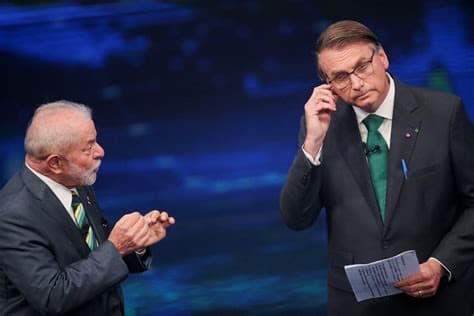
AI Image Disclaimer: The visual representations accompanying this article are AI-generated illustrations intended to convey the thematic elements of political ethics and scrutiny.
Sources: The New York Times Politico CNN The Washington Post
Published by Banx Network. This article is part of the Banx decentralized media programme, powered by the BXE token on the XRP Ledger.