Key Highlights
- Estonia will close border crossings with Russia starting December 1.
- The decision follows a foiled arson attack linked to Russian military intelligence.
- Moscow has condemned the closures, labeling them as 'Russophobia.'
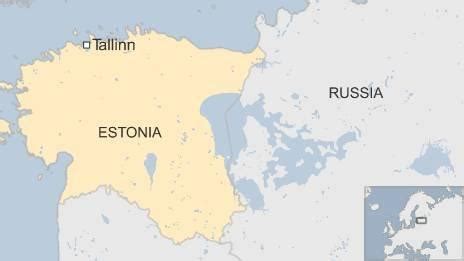
Estonia's government has announced plans to close several border crossings with Russia, a move that has drawn sharp criticism from Moscow. The closures, set to take effect on December 1, will affect key road crossings at Narva, Koidula, and Luhamaa. This decision comes in the wake of a thwarted arson attack on a drone manufacturing facility, which Estonian authorities have linked to Russian military intelligence.
The arson attempt targeted Threod Systems, a company known for its drone technology. According to Estonia's Internal Security Service, the attack was orchestrated by Latvian residents acting under orders from the GRU, Russia's military intelligence agency. This incident has heightened security concerns in Estonia, prompting the government to take decisive action to safeguard its borders.
Maria Zakharova, the spokeswoman for the Russian Foreign Ministry, has publicly denounced Estonia's planned border closures, characterizing them as a manifestation of 'Russophobia.' Zakharova's comments reflect a broader narrative from Moscow, which often frames actions taken by Baltic states as hostile and discriminatory against Russian-speaking populations.
The Estonian government has yet to specify how long the border closures will remain in effect, but the discussions surrounding this measure indicate a serious commitment to national security. The decision is part of a broader trend in the region, where countries are increasingly wary of Russian actions and influence, especially in light of ongoing tensions stemming from the Ukraine conflict.
As Estonia prepares to implement these closures, the geopolitical implications are significant. The Baltic states, including Estonia, Latvia, and Lithuania, have been vocal in their opposition to Russian aggression and have taken steps to bolster their defenses. This latest move is likely to further strain relations between Estonia and Russia, which have been fraught with tension since the annexation of Crimea in 2014.
In conclusion, Estonia's decision to close its borders with Russia is a reflection of heightened security concerns and a response to perceived threats from Moscow. As the situation develops, it will be crucial to monitor the reactions from both sides and the potential impact on regional stability.
Published by Banx Network. This article is part of the Banx decentralized media programme, powered by the BXE token on the XRP Ledger.