
Key Highlights
- Declining Birth Rate:Estonia's total fertility rate dropped to 1.16 in 2025.
- Population Concerns:In 2025, Estonia recorded 9,240 births against 15,688 deaths.
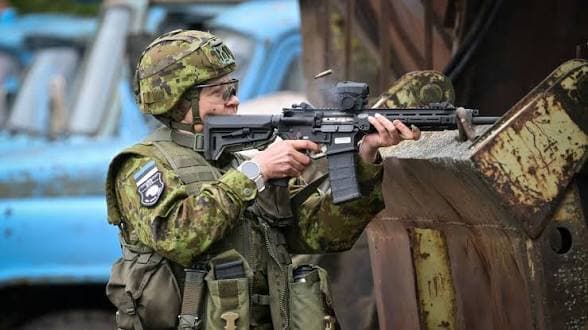
- Military Draft Debate:The government is considering drafting women to address labor shortages.
As of 2026, Estonia is grappling with alarming demographic shifts, highlighted by a plummeting birth rate that has sparked discussions in the government about drafting women into the military. Data indicates that the country recorded a total fertility rate of 1.16 in 2025, a stark reminder of the ongoing demographic crisis. This figure is significantly below the replacement level of 2.1, raising concerns about the sustainability of the population.
The decline in male birth rates is particularly concerning, prompting officials to explore unconventional solutions such as military drafts for women. This unprecedented consideration emerges from fears that the nation may face not only a labor shortage but also challenges in sustaining a balanced population composition. The Estonian government is under pressure to find innovative solutions to these pressing issues, as traditional methods have not yielded the desired results.
Recent statistics reveal that in 2025, Estonia saw 9,240 births alongside 15,688 deaths, further exacerbating the net decline in population. This stark imbalance highlights the urgent need for policy interventions. With an increasing average age of first-time mothers and shrinking numbers of young people, policymakers are recognizing the need to bolster the workforce and maintain societal functions. The demographic landscape is shifting, and the government is tasked with addressing these challenges head-on.
Demographic experts have pointed out that the country's aging population, with nearly 21.4% of residents aged 65 and older, is another factor contributing to the shrinking labor pool. This has led to discussions about innovative approaches to address potential future shortfalls in military personnel and other essential sectors. The military's concerns about national security are intertwined with these demographic trends, as a declining population could impact the country's defense capabilities.
Military leaders have expressed concern regarding potential impacts on national security if the demographic trend continues downward. The option to draft women is seen as a way to not only support national defense but to empower women in society through increased participation in the military. This proposal, while controversial, reflects a growing recognition that traditional approaches to demographic challenges may no longer suffice.
In response to these demographic challenges, the Estonian government is actively debating various policies to facilitate a higher birth rate. These discussions include financial incentives for families, improved childcare policies, and support for young parents. The aim is to create an environment that encourages family growth and addresses the underlying issues contributing to the declining birth rate.
As Estonia navigates this complex demographic landscape, drafting women into military service emerges as a potential solution, drawing attention to broader questions about gender roles, workforce sustainability, and national identity amidst a declining birth rate. The outcome of these discussions will have significant implications for the future of Estonia's population and its societal structure.
Published by Banx Network. This article is part of the Banx decentralized media programme, powered by the BXE token on the XRP Ledger.



