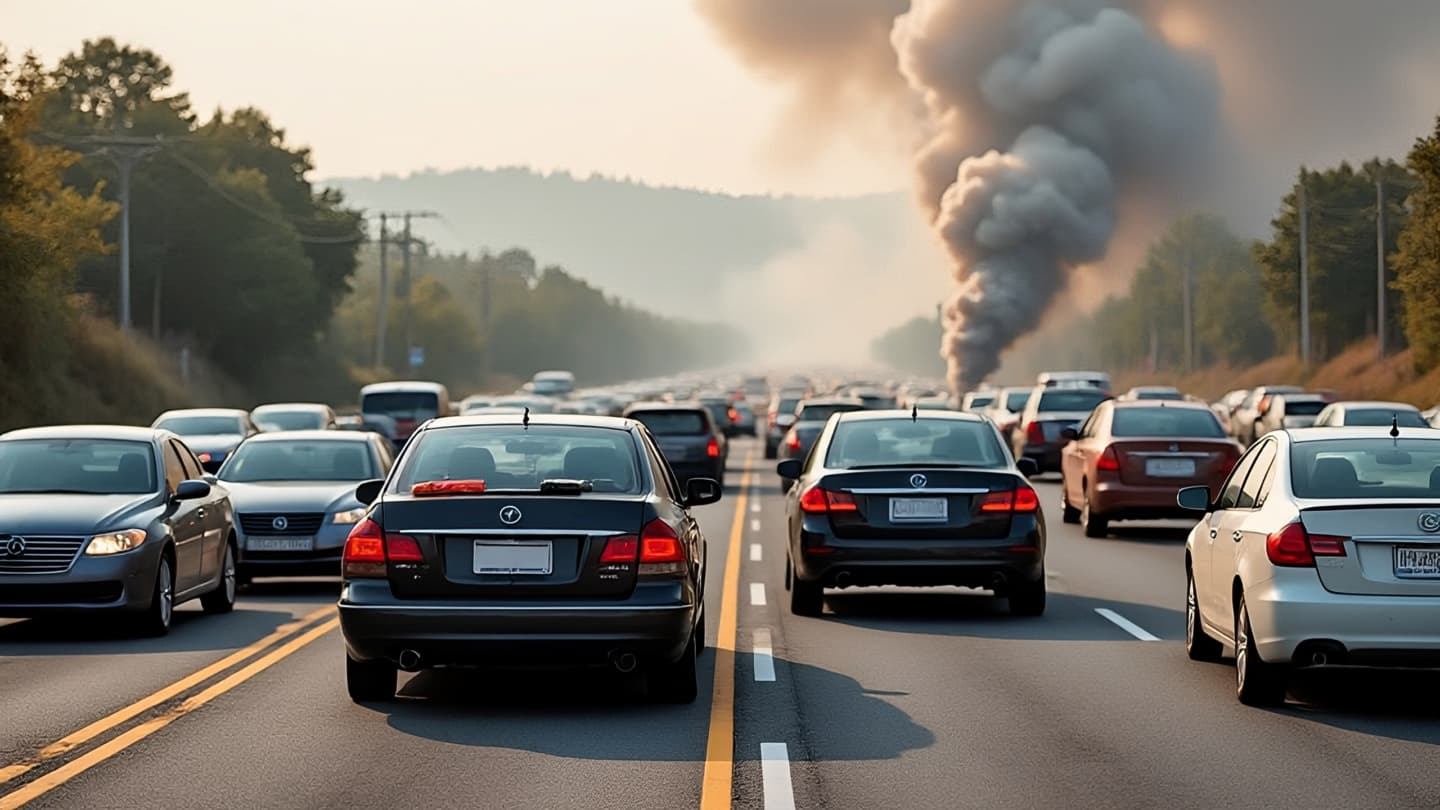
Fire is a primal force, both destructive and renewing, but when it escapes control, it becomes a agent of chaos. In Canada, a rapidly spreading wildfire recently forced the evacuation of 18,000 people, transforming quiet communities into zones of urgent departure. Residents described the experience as akin to "a bomb going off," capturing the suddenness and intensity of the disaster. This event underscores the increasing volatility of wildfire seasons, driven by climate change and dry conditions. It is a stark reminder of nature’s unpredictability and the fragility of human settlements in the face of environmental extremes.
The fire erupted with alarming speed, fueled by strong winds and dense vegetation. Emergency services acted swiftly, issuing evacuation orders to ensure public safety. Roads filled with vehicles as families grabbed essential items and fled. The scene was one of organized urgency, with police directing traffic and neighbors helping each other. Despite the fear, there was a sense of community solidarity, as people united in the face of a common threat.
For those evacuated, the uncertainty is profound. Not knowing if their homes will survive the flames creates a deep emotional strain. Temporary shelters have been set up in nearby towns, providing food and comfort. Volunteers and aid organizations are working tirelessly to support the displaced, offering a semblance of normalcy in disrupted lives. The psychological impact of such displacement can last long after the fire is contained.
Firefighters are battling the blaze on multiple fronts, using aircraft and ground crews to contain the spread. The terrain is challenging, and the weather conditions remain unfavorable. Their bravery and dedication are crucial in protecting lives and property. The risk they take is immense, yet they proceed with professionalism and courage.
The economic impact of the evacuation is significant. Local businesses are closed, and tourism, a vital industry for many Canadian regions, suffers. The cost of firefighting and recovery will be substantial, placing a burden on public resources. However, the priority remains on human safety, with economic concerns taking a secondary role in the immediate aftermath.
Climate scientists point to this event as part of a broader trend of more frequent and intense wildfires. Rising temperatures and prolonged droughts create ideal conditions for fire spread. Adapting to this new reality requires better forest management, urban planning, and climate mitigation strategies. The lesson is clear: we must live with fire, not just fight it.
The wildfire in Canada that displaced 18,000 people is a serious event with lasting implications. As the fire is contained and residents begin to return, the focus shifts to recovery and resilience. The hope is that such disasters will lead to greater awareness and preparation for future challenges.
AI Image Disclaimer: The images provided are AI-generated to visually represent the dramatic and humanitarian aspects of the story.
Sources: CBC News Global News The New York Times
Published by Banx Network. This article is part of the Banx decentralized media programme, powered by the BXE token on the XRP Ledger.
.jpg&w=3840&q=75 "US Declares Drought Disaster for Parts of Puerto Rico as Dry Conditions Persist")