
Key Highlights
- Casualties:At least 36 civilians killed and over 160 injured.
- Locations:Airstrikes targeted residential areas in Paktia, Paktika, and Kunar provinces.
- Response:Taliban condemns the strikes as acts of aggression.
Kabul, Afghanistan—A series of Pakistani military airstrikes overnight has resulted in the deaths of at least 36 civilians and injuries to over 160 others, many of whom are women and children. Afghan government officials confirmed the casualty figures, which are expected to rise as rescue operations continue in the affected areas of Paktia, Paktika, and Kunar provinces.
The airstrikes reportedly focused on residential neighborhoods in Mandokhail village, Gayan district, and Manogai district. Taliban deputy spokesman Hamdullah Fitrat condemned the attacks, labeling them as cowardly acts of aggression. He alleged that the initial strike targeted a home, followed by a second wave of bombs that struck as villagers rushed to assist the survivors, exacerbating the tragedy.
In response to the allegations, Pakistan’s Information Minister, Attaullah Tarar, confirmed that the military conducted an intelligence-based operation but denied any intention to target civilians. He asserted that the strikes were aimed at the hideouts of the Tehrik-i-Taliban Pakistan and Jamaat-ul-Ahrar, claiming the operation was a direct response to a militant attack in Karachi that resulted in the deaths of three security personnel.
This incident marks a significant escalation in the already fragile relationship between Pakistan and Afghanistan. Throughout the year, both nations have experienced sporadic cross-border shelling and aerial operations, with each side frequently accusing the other of harboring militant groups. The Taliban government has consistently denied allowing any groups to use Afghan territory to threaten its neighbors, yet tensions remain high.
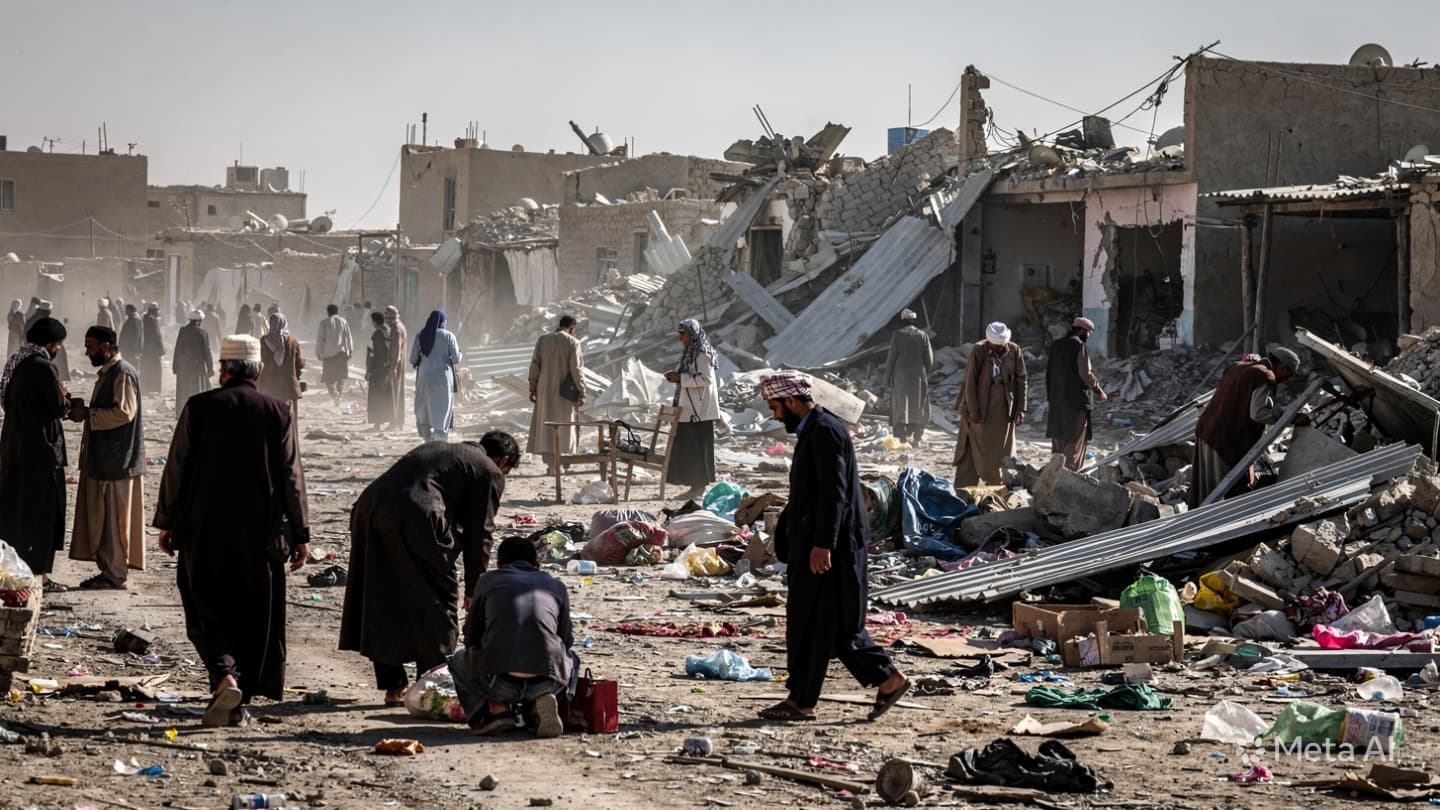
Independent verification of the casualty figures is challenging due to the remoteness of the affected villages and the ongoing security situation. Local social media channels have circulated images depicting flattened homes and debris-strewn fields, highlighting the devastation inflicted on families who were asleep at the time of the strikes.
The international community has yet to respond formally to the high casualty toll, but humanitarian organizations are expected to scrutinize the situation closely. The border region, already known for its volatility, may see an uptick in militant activity as a result of these airstrikes, raising concerns about further instability.
As rescue efforts continue, local teams are working tirelessly to sift through the rubble in search of missing persons. Survivors from Paktia reported that the entire village was taken by surprise during the nighttime strikes, leaving hundreds of families displaced and traumatized by the violence.
Both the Afghan and Pakistani governments remain locked in a diplomatic standoff, with no immediate signs of de-escalation. The border area is currently on high alert, with military movements reported on both sides throughout the day, indicating that tensions are unlikely to ease in the near future.
Published by Banx Network. This article is part of the Banx decentralized media programme, powered by the BXE token on the XRP Ledger.



