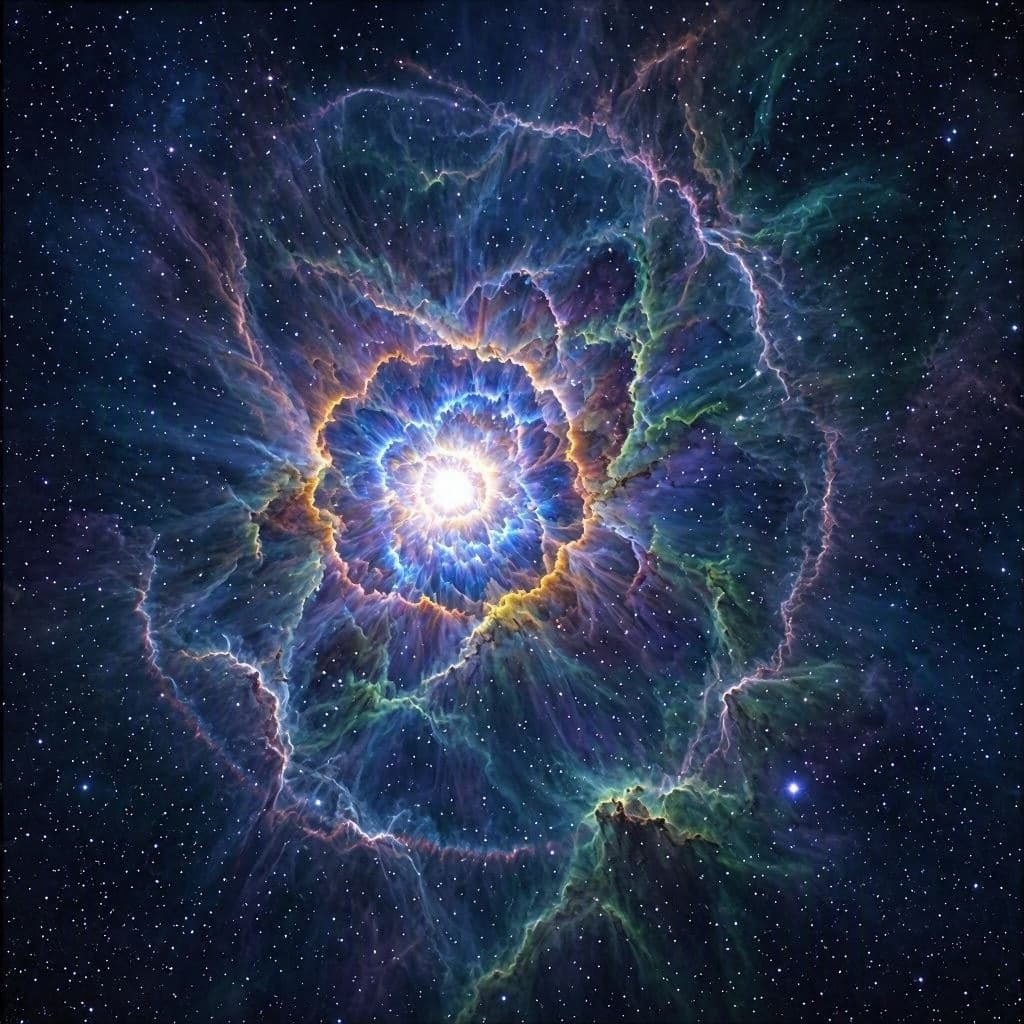
In the vast, silent theater of the cosmos, stars live and die on timescales that dwarf human history. Yet, in a fleeting moment captured by modern telescopes, astronomers recently witnessed the violent and enigmatic final breaths of a massive star. This supernova did not follow the standard script of stellar demise; instead, it exhibited unusual fluctuations in brightness and spectral signatures that have left scientists both puzzled and intrigued. It is a reminder that even in death, the universe retains its capacity for surprise.
The event, observed by a network of ground-based and space telescopes, occurred in a distant galaxy millions of light-years away. As the star’s core collapsed under its own gravity, it triggered a shockwave that tore through its outer layers. Typically, this process results in a predictable curve of luminosity. However, this particular explosion showed erratic behavior, with sudden dips and spikes in energy output that defied conventional models of core-collapse supernovae.
Researchers suggest that these anomalies may be caused by the interaction between the exploding star and dense material ejected in previous eruptions. Before its final collapse, the star may have shed significant mass, creating a shell of gas and dust around it. When the supernova shockwave hit this circumstellar material, it converted kinetic energy into light, causing the unusual brightening patterns. This "shock cooling" effect offers a rare glimpse into the turbulent life of a massive star before its end.
Another possibility is that the star was part of a binary system, interacting with a companion star that influenced its evolution. Such interactions can strip away outer layers or alter the rotation rate, leading to asymmetric explosions. The data collected from this event provides critical clues about the diversity of stellar deaths, challenging the notion that all massive stars end in the same way. Each supernova is a unique fingerprint of its progenitor’s history.
For astrophysicists, these observations are invaluable. They help refine computer simulations of stellar evolution and improve our understanding of how heavy elements are scattered across the galaxy. Elements like iron, gold, and uranium are forged in these cataclysmic events, seeding the cosmos with the building blocks of planets and life. Witnessing such a strange death helps us understand the origins of the very matter that makes up our world.
The scientific community continues to analyze the data, looking for subtle patterns that might reveal the star’s initial mass, composition, and age. Every photon captured by the telescopes carries information about the physical conditions at the moment of explosion. As analysis deepens, the mystery may yield to explanation, turning confusion into knowledge.
The strange supernova serves as a testament to the complexity of the universe. While we have mapped much of the sky, the mechanisms of stellar death remain rich with unanswered questions. As technology advances, we will likely witness more such anomalies, each one teaching us something new about the life cycle of stars.
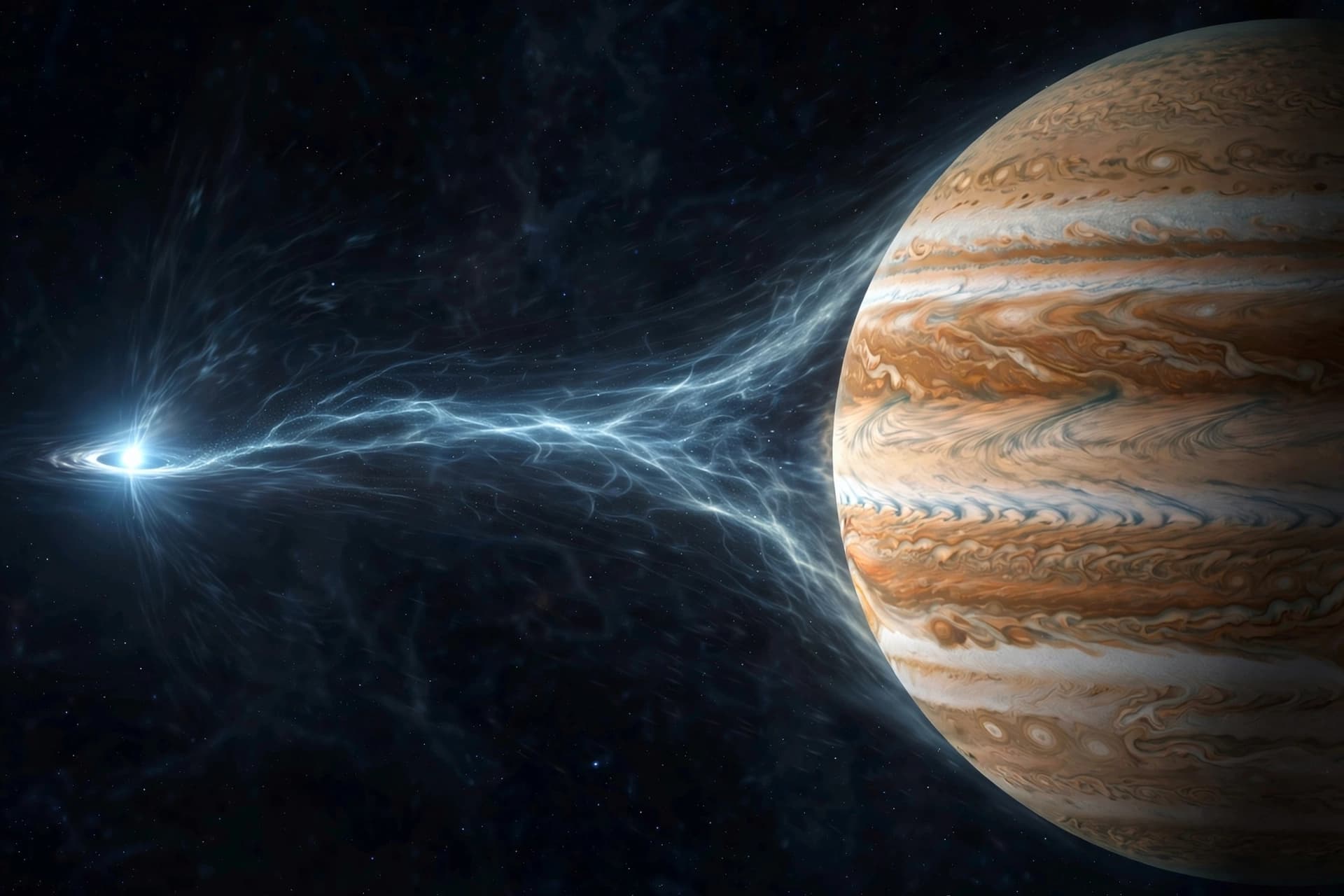
AI Image Disclaimer: The visual elements accompanying this report are AI-generated interpretations designed to reflect the astronomical and cosmic context of the story.
Sources: NASA The Astrophysical Journal Space.com
Published by Banx Network. This article is part of the Banx decentralized media programme, powered by the BXE token on the XRP Ledger.