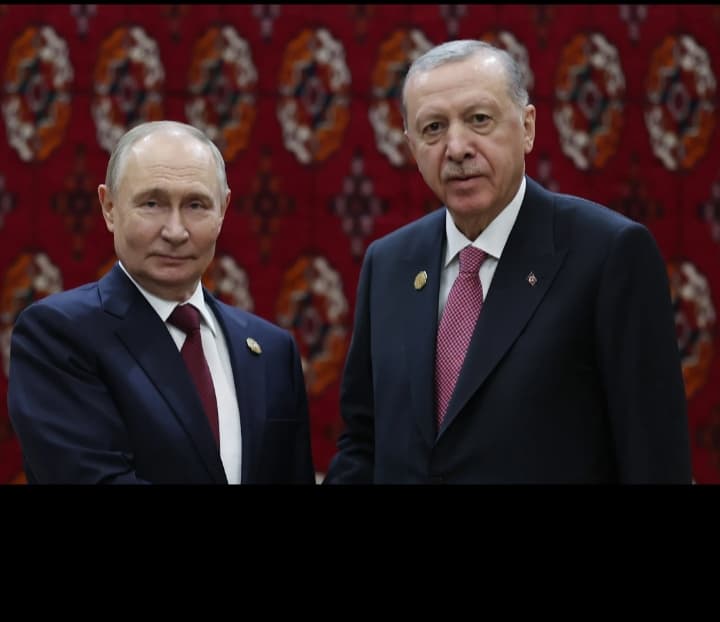
In recent developments, Turkish President Recep Tayyip Erdogan has appealed to Russian President Vladimir Putin to consider the withdrawal of S-400 missile systems previously supplied to Turkey. This request is part of Erdogan's broader strategy to mend relations with the United States, which has been strained since Turkey's acquisition of the sophisticated missile system.
The S-400 missiles, which Turkey began deploying in 2019, have been a significant point of contention with Washington. The US has argued that the system is incompatible with NATO defense standards and poses a security threat to its military assets, particularly the F-35 fighter jets. Following Turkey's purchase of the S-400, the US expelled Turkey from the F-35 program and imposed sanctions on Turkish defense companies.
Erdogan's recent overture to Putin appears to be an attempt to recalibrate Turkey's international alliances and regain favor with the Biden administration. Turkish officials have indicated that withdrawing the S-400 could play a crucial role in revitalizing discussions with the US, particularly on military and economic cooperation.
The withdrawal of the missiles would signify a notable shift in Turkey’s foreign policy approach, indicating a willingness to prioritize NATO relations over ties with Russia. Analysts suggest that Erdogan hopes to leverage this gesture not only to appease the US but also to strengthen his position domestically by portraying it as a necessary step for national security and international cooperation.
As this situation unfolds, the international community is closely monitoring how these developments may influence regional stability and Turkey's role within NATO. The outcome of Erdogan's appeal to Putin remains uncertain, but it encapsulates the intricate balance Turkey seeks to maintain between the West and Russia.
Published by Banx Network. This article is part of the Banx decentralized media programme, powered by the BXE token on the XRP Ledger.