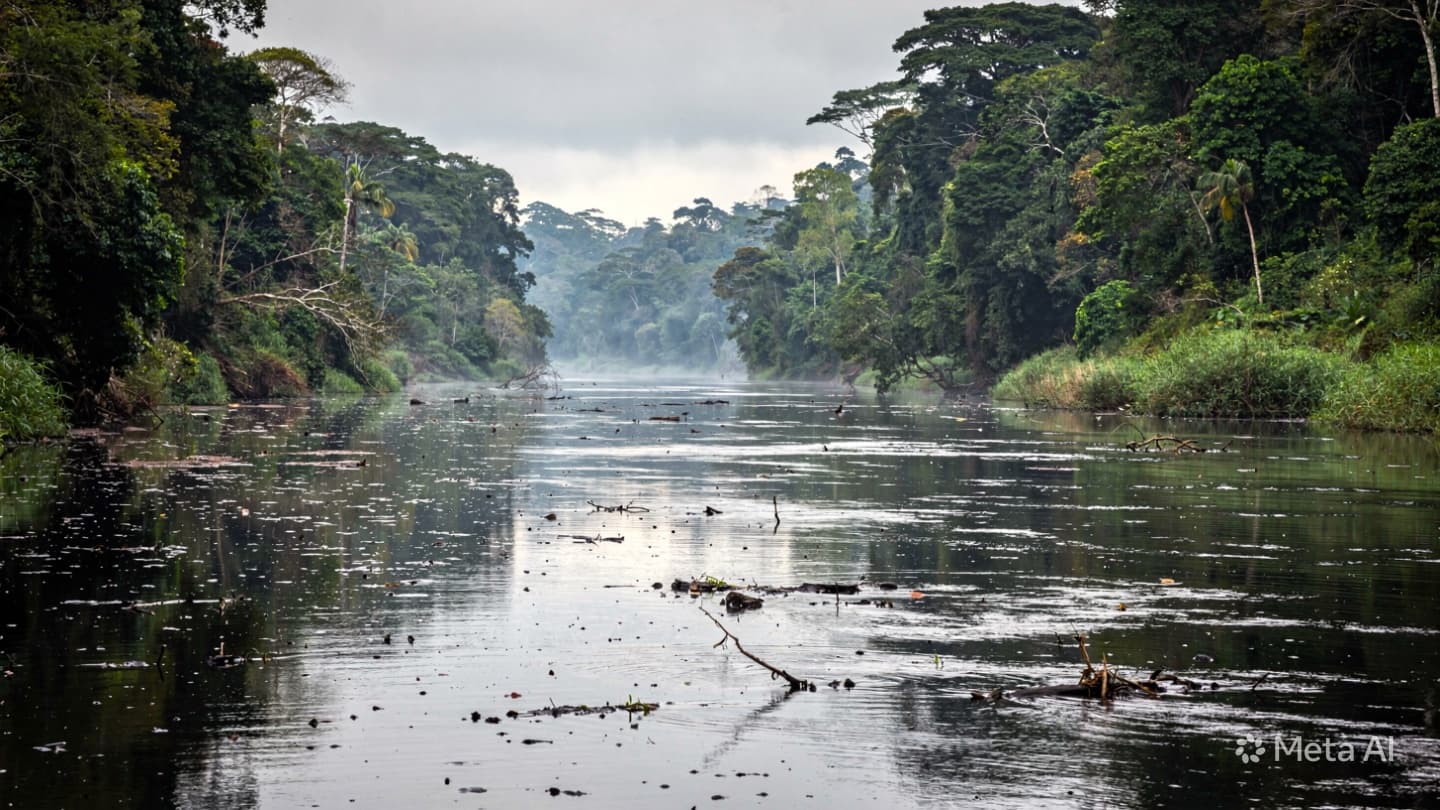
Esmeraldas, Ecuador—The scent of crude oil hangs heavy over the riverbanks this afternoon. Residents report skin rashes, severe headaches, and persistent vomiting after using the water. The spill has effectively cut off the community from its primary source of life. Local leaders say they were warned about the pipeline’s instability months ago. Their warnings were met with silence from the state operators.
Heavy rains have carried the slick further downstream into protected indigenous territories. Wildlife is dying along the shoreline in visible numbers. Fishermen are pulling empty nets from the water, their livelihoods effectively erased in a single day. The environmental damage is likely to last for years. Remediation efforts are failing to keep pace with the spreading contamination.
Medical brigades are now operating in the most affected cantons to treat the sick. They report a shortage of clean water and basic digestive medications. The government has finally sent tankers, but the supply is insufficient for the population. Families are forced to choose between drinking toxic water or nothing at all.
Tensions are boiling over as residents confront company officials in the streets. Protests have broken out near the main pumping station entrance. Security forces are currently cordoning off the most contaminated river stretches to prevent further contact. The legal fallout from this event is already mounting in the courts.
Industry representatives continue to claim that the spill is under control. Their statements contradict the reality on the ground. Every hour, more oil leaches into the soil and surrounding tributaries. Engineers are still struggling to locate the specific point of failure.
Local school children have been pulled from classes to avoid exposure to the fumes. Many parents have already begun gathering their belongings to leave the region. The long-term habitability of the riverside towns is now being questioned by independent experts. There is no evidence that this spill was properly contained at the start.
Environmental monitoring teams are struggling to secure equipment needed to track the plume. Transparency from the ministry has been abysmal throughout the duration of the crisis. Residents demand to know the chemical composition of the oil in their water. The answer remains hidden behind layers of corporate red tape.
Teams are currently surveying the riverbank to determine the total length of the slick. Results will likely be released after the cleanup crews finish their current shift.
Published by Banx Network. This article is part of the Banx decentralized media programme, powered by the BXE token on the XRP Ledger.