The Kamo River has long carried the quiet memories of Kyoto, its shallow waters slipping past wooden teahouses and ancient stone walls with a predictable, rhythmic grace. Yet there are seasons when the sky refuses to part, when the soft gray horizons of Japan gather a heavy, unrelenting density. In these moments, the water changes its language, transforming from a gentle murmur into a deep, resonance that reminds the city of the wilderness just beyond its borders.
To watch a river rise is to observe the slow erasure of familiar boundaries. The stone steps where travelers sat just days ago are submerged beneath a rushing, silken brown current that moves with an unsettling, silent velocity. It is a reminder that even the most deeply anchored histories remain subject to the shifting whims of the climate and the earth.
The current atmosphere across the region is one of watchful waiting, a collective holding of breath as successive storm systems press inward from the coast. The air smells of wet stone, crushed moss, and the metallic tang of heavy, low-lying clouds. Along the hillsides that frame the ancient capital, the ground has grown heavy and soft, fully saturated by the relentless downpours of the past several days.
In the small valleys and lowland neighborhoods where the water begins to gather in unconventional pools, the rhythm of daily life slows to a cautious crawl. Neighbors look out from behind sliding glass doors, their eyes tracking the dark lines where the river meets the soil. There is no panic in this observation, but rather a quiet, deeply ingrained resilience that has been passed down through centuries of living alongside unpredictable waters.
As the late afternoon light fades into a deep, monochromatic blue, the sound of the river grows louder, filling the spaces between the buildings with a constant, roaring vibration. It is a texture of sound that changes the very nature of the city, masking the usual evening sounds of traffic and conversation with the singular voice of the natural world.
Further east toward the sprawling metropolis of the capital, the same front approaches with an ominous, quiet intent, promising to test the concrete channels and sophisticated drainage systems of the modern urban landscape. The coming night carries a sense of shared vulnerability, connecting the historic valleys of the west with the high-rise horizons of the east through a single, continuous sheet of rainfall.
The earth, when overloaded with moisture, begins to lose its internal cohesion, and the steep slopes that surround the rural settlements become objects of intense, anxious scrutiny. Every small trickle of mud along a retaining wall or sudden tilt in a bamboo grove is read as a sign, a subtle message from a landscape that is reaching its absolute physical limit.
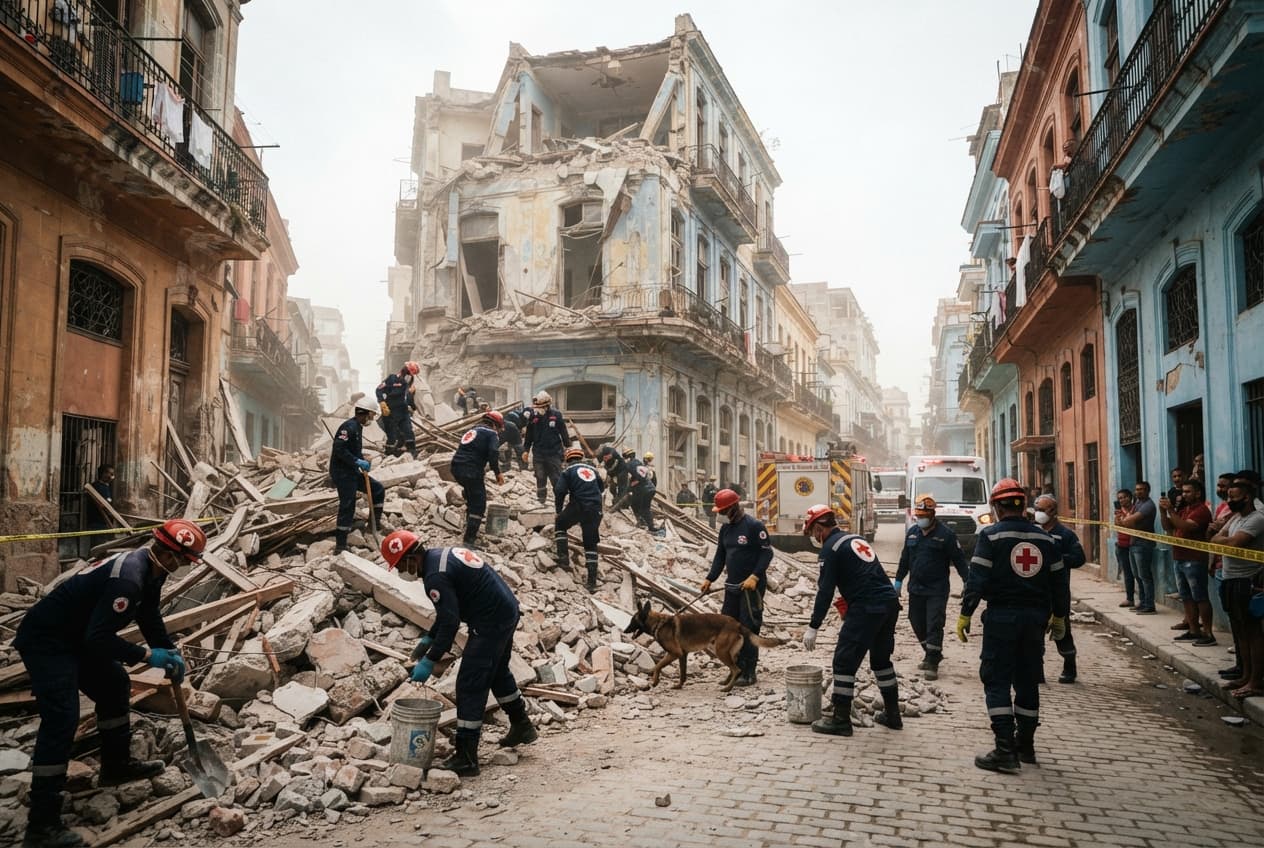
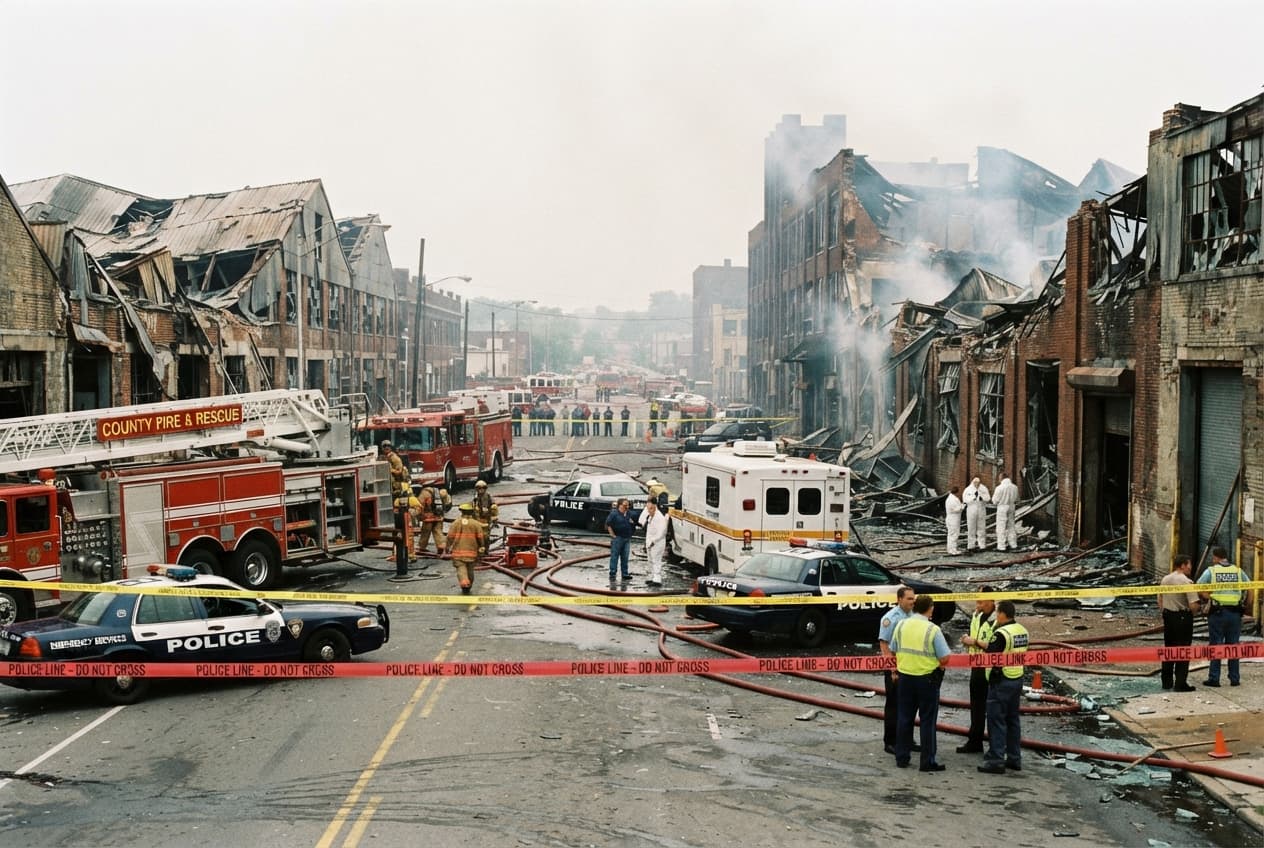
Emergency services have quietly deployed along the vulnerable sectors, their flashing lights casting long, red reflections across the wet asphalt and the rippling edges of the floodwaters. They stand as solitary sentinels against the night, monitoring the gauges and clearing the debris that the river tosses effortlessly against the undercarriages of the historic bridges.
The Japan Meteorological Agency confirmed that a lingering seasonal rain front, supercharged by warm, tropical moisture, has produced historic rainfall totals across western and central Honshu. Officials have officially urged thousands of residents near major waterways to seek higher ground immediately as water levels surpass critical thresholds.
Published by Banx Network. This article is part of the Banx decentralized media programme, powered by the BXE token on the XRP Ledger.