Key Highlights
- New Order:England mandates poultry housing from November 13.
- Biosecurity Measures:Scotland enforces prevention zones without housing rules.
- Affected Keepers:Order applies to keepers with 50 or more birds.
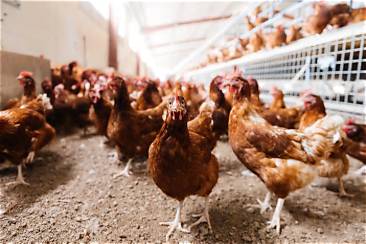
The UK is taking significant steps to combat the rising threat of avian influenza, commonly known as bird flu. Starting at 00:01 on Friday, November 13, England will implement a mandatory poultry housing order aimed at reducing the risk of disease transmission among birds. This order is particularly crucial as the number of reported bird flu cases has seen a concerning increase in recent weeks.
The housing order will affect all poultry keepers with 50 or more birds, as well as those who sell or distribute eggs, poultry products, or live birds, regardless of their flock size. This measure is designed to minimize contact between domestic birds and wild birds, which are known carriers of the virus. The government emphasizes that keeping birds indoors is a vital step in protecting the poultry industry and public health.
In addition to the housing order, both England and Scotland have established prevention zones that require all poultry keepers to adhere to strict biosecurity measures. These measures include reducing contact with wild birds, disinfecting equipment, and ensuring that feed and water sources are protected from contamination. However, it is important to note that while Scotland has introduced these biosecurity measures, it has not imposed a nationwide housing order similar to that of England.
The decision to enforce these regulations comes in response to the heightened risk posed by avian influenza, which can have devastating effects on poultry populations and the agricultural economy. The government is urging all poultry keepers to remain vigilant and comply with the new regulations to safeguard their flocks and prevent the spread of the virus.
As the situation evolves, authorities will continue to monitor bird flu cases and may adjust regulations as necessary. Poultry keepers are encouraged to stay informed about the latest developments and to follow guidance from veterinary and agricultural authorities.
The implementation of these measures reflects a proactive approach to managing the risks associated with avian influenza, ensuring that the poultry industry remains resilient in the face of this ongoing threat. By prioritizing biosecurity and responsible management practices, the UK aims to protect both its poultry population and public health from the impacts of bird flu.
Published by Banx Network. This article is part of the Banx decentralized media programme, powered by the BXE token on the XRP Ledger.