
Key Highlights
- Fuel shortages are affecting petrol stations across Australia.
- Rising global oil prices are driving local petrol prices above two dollars a litre.
- Farmers in regional areas face challenges due to diesel supply issues.
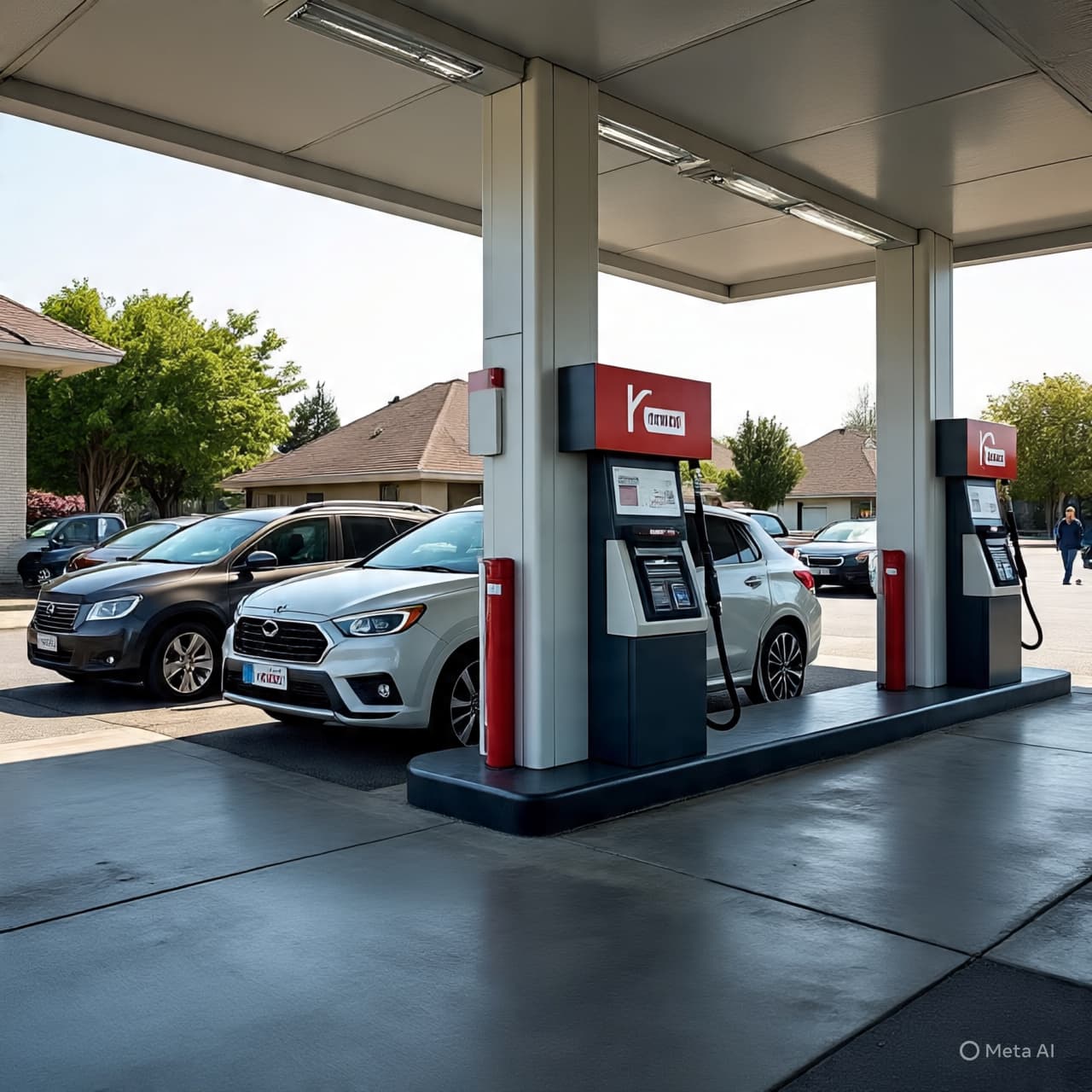
Australia is currently grappling with significant fuel shortages, particularly in regional areas, as a surge in demand coincides with rising global oil prices. The situation has led to long queues at petrol stations, with many service stations running out of fuel entirely. This phenomenon is not due to a collapse in national supply but rather a reaction to heightened consumer anxiety about future price increases and global instability.
The roots of this crisis can be traced back to international conflicts, particularly in the Middle East, which have disrupted oil supply routes and caused crude prices to spike. The Strait of Hormuz, a critical passage for oil shipments, has become increasingly volatile, leading to concerns about the stability of fuel supplies. As a result, petrol prices in major Australian cities have surged, with some areas reporting costs exceeding two dollars per litre.
In urban centers like Sydney, Melbourne, and Brisbane, the National Roads and Motorists’ Association has indicated that these elevated prices may persist longer than anticipated. What began as a temporary spike could evolve into a new normal for fuel costs, reflecting Australia’s heavy reliance on imported oil and the fragility of the global supply chain.
Regional communities are feeling the impact more acutely. Independent petrol stations, which often lack the robust supply contracts of larger chains, have been among the first to experience shortages. Reports indicate that some stations have completely run out of unleaded petrol or diesel, as deliveries have struggled to keep pace with the sudden influx of customers.
The agricultural sector is particularly vulnerable to these disruptions. Farmers, who rely on a steady supply of diesel for irrigation and crop management, are facing tough decisions as fuel deliveries become erratic. In Queensland, for instance, some producers have had to scale back operations or halt irrigation due to delays in diesel supply.
Despite these challenges, authorities and industry representatives stress that Australia is not running out of fuel. National reserves remain intact, and imports continue. However, the logistics of distribution—encompassing tankers, terminals, and local storage—can falter under unexpected demand surges. Experts warn that panic buying can exacerbate the situation, creating a self-fulfilling cycle of shortages.
In response to the crisis, the federal government has temporarily relaxed certain fuel quality standards to enhance supply flexibility and expedite fuel delivery to the market. This measure aims to alleviate some of the immediate pressures on consumers and businesses alike.
As drivers navigate the uncertainty at local petrol stations, the scene reflects a broader narrative about the interconnectedness of everyday life and global events. With each passing day, the rising prices and empty fuel bowsers serve as a reminder of how closely tied Australia’s daily routines are to the wider world, emphasizing the importance of stable fuel supplies in a vast and geographically diverse nation.
Published by Banx Network. This article is part of the Banx decentralized media programme, powered by the BXE token on the XRP Ledger.



