
Key Highlights
- At least 30 lives lost in armed attacks across northern Nigeria.
- Motorbikes used by assailants to swiftly execute raids.
- Local communities face ongoing violence and insecurity.
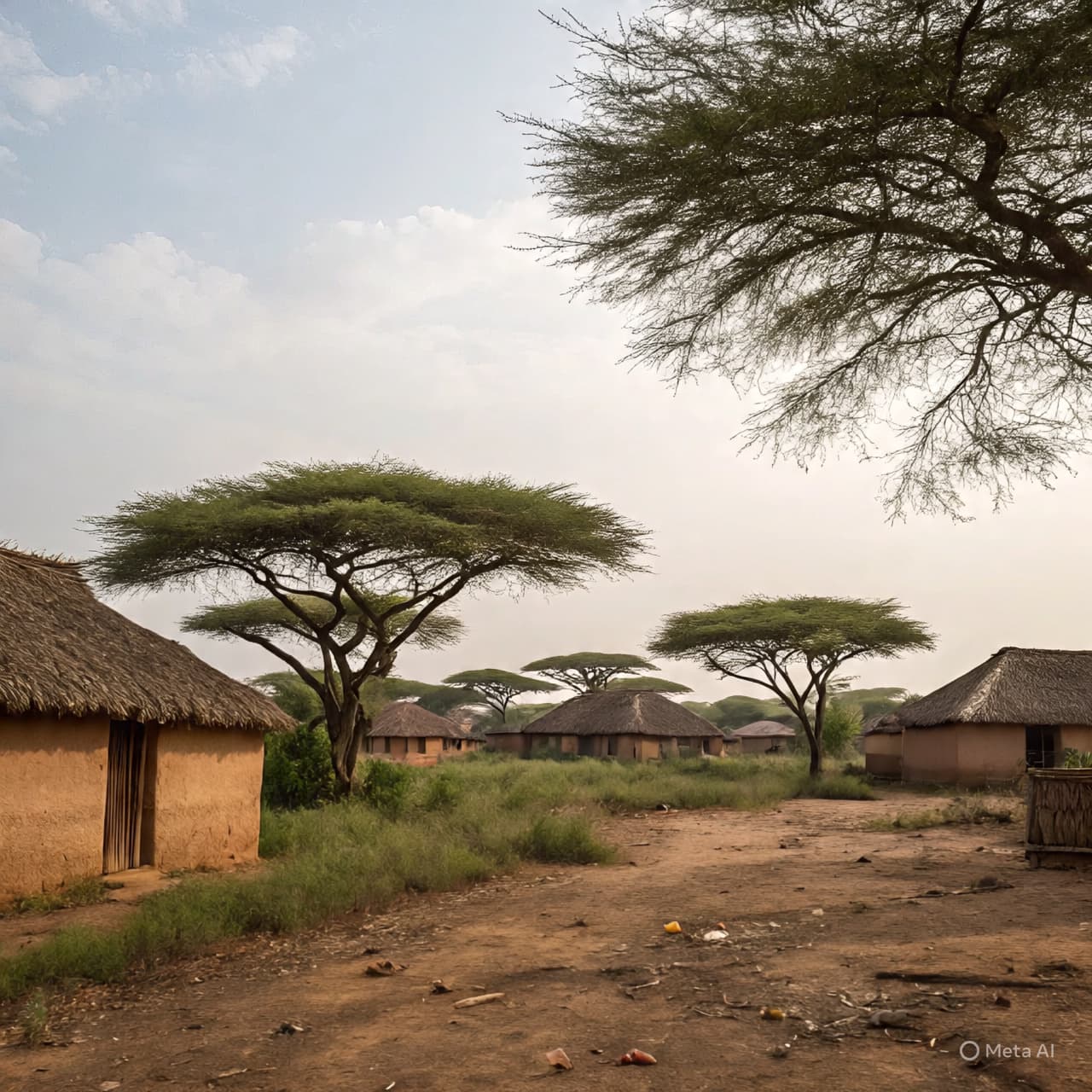
In the early hours of a recent morning, the tranquility of rural northern Nigeria was shattered by the roar of motorbike engines. These vehicles, typically associated with daily life in the region, became instruments of terror as armed men descended upon villages, leaving destruction in their wake. Witnesses described the scene as chaotic, with groups of masked riders swiftly moving through the communities, their presence a harbinger of violence that would claim at least thirty lives.
The attacks unfolded in areas already grappling with insecurity, where the state’s presence is often minimal. Local residents recounted how the assailants split into smaller groups, methodically targeting homes and setting them ablaze. The speed of the raids allowed the attackers to vanish into the surrounding bush before security forces could respond, leaving behind a trail of grief and devastation.
Security officials confirmed the death toll and announced that investigations were underway. Troops were deployed to the affected areas, and checkpoints were established to prevent further incursions. However, these measures came too late for many families who now mourn the loss of their loved ones. In tightly-knit communities, each death reverberates, creating a palpable sense of loss and fear.
This incident is part of a troubling trend of violence in northern Nigeria, where armed groups, often referred to as bandits, have targeted rural villages for years. The motivations behind these attacks are varied, including cattle theft, land disputes, and ransom kidnappings. The common thread is the speed and brutality with which these assaults occur, disrupting the fabric of daily life.
As the community grapples with the aftermath, life begins to adapt in subtle yet significant ways. Residents have heightened their vigilance, with night watches becoming more common and travel restricted to daylight hours. Children are taught to avoid certain paths, and trust within the community is eroded. Fields that once promised bountiful harvests now serve as potential hiding spots for threats, altering the landscape of everyday life.
In the wake of the violence, the slow process of recovery begins. Families bury their dead, tend to the injured, and attempt to rebuild their lives amidst the chaos. While the news may focus on the numbers and official statements, the true impact of these events is felt in the quiet moments that follow, where the echoes of violence linger in the air, a stark reminder of the fragility of peace in rural Nigeria.
Published by Banx Network. This article is part of the Banx decentralized media programme, powered by the BXE token on the XRP Ledger.



