
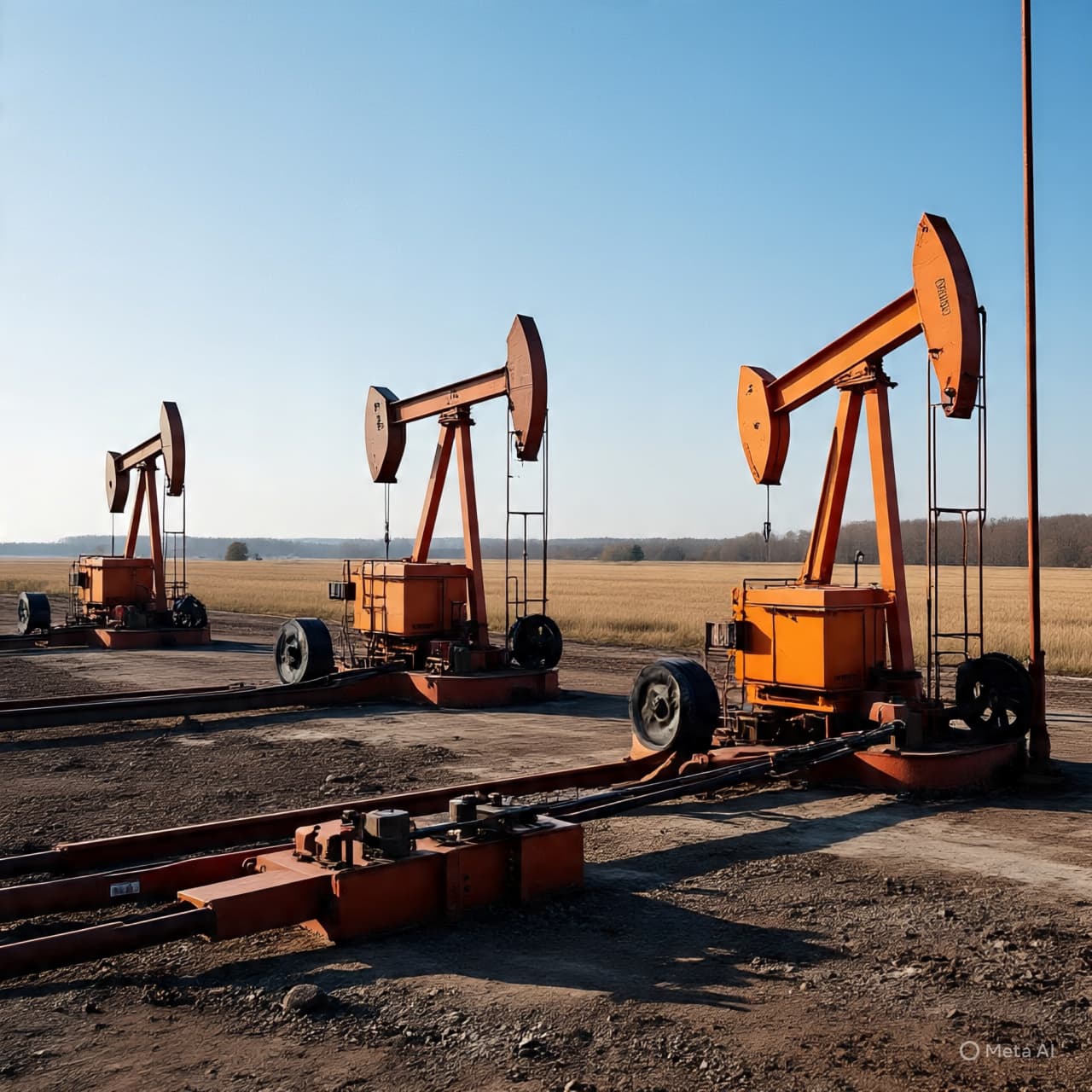
Oil prices moved lower as traders appeared to adjust positions amid developments in the Middle East, underscoring how quickly market sentiment can shift when geopolitical risk meets changing expectations. The pullback suggested a reassessment rather than a sharp change in underlying supply conditions, reflecting a familiar pattern in energy markets during periods of heightened attention.
Crude prices are often sensitive to events in the Middle East, a region central to global energy supply and shipping routes. Even incremental developments can prompt traders to reassess exposure, particularly when prices have already incorporated a degree of geopolitical risk. In such moments, movements may reflect positioning and profit-taking as much as fundamentals.
Market participants have been balancing concerns over regional stability with broader considerations, including global demand, inventories, and economic growth. When immediate disruptions fail to materialize, prices can soften as expectations are recalibrated. This dynamic often leads to short-term volatility, especially when speculative positions are crowded in one direction.
The decline also highlights the role of financial flows in shaping oil prices. Futures markets, where many participants manage risk rather than take physical delivery, can amplify price swings when sentiment turns. Adjustments in positioning can therefore occur even in the absence of concrete changes to production or exports.
Analysts generally note that such moves do not necessarily signal a lasting trend. Oil markets remain exposed to sudden shifts driven by policy decisions, supply management by major producers, or unexpected disruptions. At the same time, demand-side uncertainty continues to influence how aggressively traders price future risks.
As attention remains fixed on the Middle East, oil prices are likely to continue responding to both headlines and market behavior. Whether the recent decline proves temporary will depend on how developments evolve and how investors choose to balance geopolitical caution against broader economic signals.
.
Published by Banx Network. This article is part of the Banx decentralized media programme, powered by the BXE token on the XRP Ledger.



