

Key Highlights
- Taiwan is diversifying energy imports to enhance security.
- Recent global disruptions prompted a review of supply arrangements.
- The strategy aligns with international trends in energy resilience.
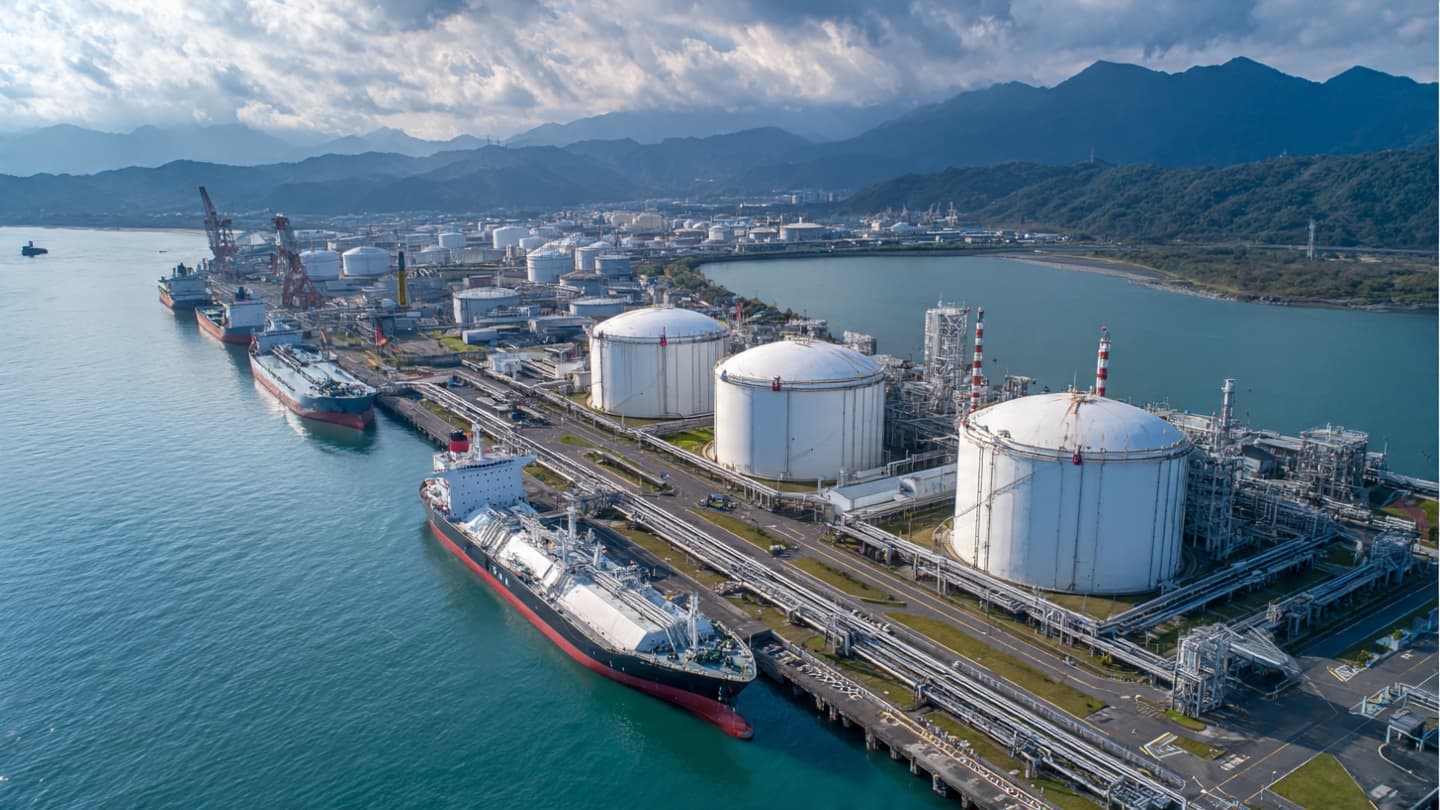
Taiwan's approach to energy security resembles a well-tended garden, flourishing through diverse sources of nourishment. As the island nation navigates ongoing geopolitical uncertainties, particularly those stemming from the Middle East, it is actively developing strategies to diversify its energy imports. This shift is crucial for an economy that heavily relies on international trade and advanced manufacturing, where stable energy supplies are essential for industrial production, transportation, and daily life.
Recent disruptions in global energy markets have compelled Taiwanese policymakers and energy companies to reassess their supply arrangements. The goal is not only to address immediate concerns but also to fortify resilience against future geopolitical uncertainties. By expanding relationships with a wider range of suppliers, Taiwan aims to mitigate risks associated with reliance on any single region or trade corridor.
The trend toward diversification is not unique to Taiwan; it reflects a broader global movement among energy planners who have increasingly recognized the importance of resilience in their supply chains. This shift gained momentum following various geopolitical crises that exposed vulnerabilities in concentrated supply chains, prompting countries to rethink their energy strategies.
Taiwan's diversification efforts align with international trends emphasizing energy resilience. Governments and corporations worldwide are investing in alternative supply routes, strategic reserves, renewable energy projects, and infrastructure improvements designed to enhance reliability. These initiatives are crucial as they help countries adapt to an increasingly complex international landscape where energy security is paramount.
Industry analysts caution that while diversification can significantly reduce risk, it does not eliminate it entirely. By spreading procurement across multiple partners, Taiwan can achieve greater flexibility in response to unexpected disruptions in global markets. This adaptability is essential for maintaining stability in an interconnected world where events occurring thousands of miles away can impact energy planning decisions and economic strategies.
As Taiwan continues to evaluate its options, policymakers are focused on balancing short-term stability with long-term resilience. This initiative reflects a wider global effort to build energy systems capable of adapting to the complexities of modern geopolitics, ensuring that nations can withstand the challenges posed by an unpredictable energy landscape.
In conclusion, Taiwan's proactive measures to diversify its energy imports not only enhance its energy security but also contribute to a more resilient global energy framework. As the nation navigates these changes, it sets an example for others facing similar challenges in the quest for sustainable energy solutions.
Published by Banx Network. This article is part of the Banx decentralized media programme, powered by the BXE token on the XRP Ledger.




