Innovation often begins quietly, in laboratories where time moves differently. In France, the development of low-carbon battery technology unfolds in such spaces—measured, deliberate, and attentive to detail.
The idea itself carries a certain urgency. As the world leans toward electrification, the question is no longer whether batteries will define the future, but how sustainably they can do so. Within that question, France’s research takes on a broader significance.
Low-carbon batteries are not simply about efficiency. They represent an attempt to reconcile progress with responsibility—to ensure that the solutions of tomorrow do not carry the burdens of yesterday.
Scientists and engineers work within a delicate balance. Materials must be sourced, processes refined, and outcomes optimized, all while reducing environmental impact. Each step requires both precision and patience.
There is also a sense of interconnectedness. Battery innovation touches multiple sectors—transportation, energy storage, and industry. Improvements in one area ripple outward, shaping systems far beyond the laboratory.
France’s role in this field reflects a wider European ambition. The desire to lead in sustainable technology is not framed as competition alone, but as contribution—to global efforts addressing climate challenges.
Observers note the steady pace of development. Breakthroughs are rarely sudden; they emerge through accumulation, through incremental progress that gradually shifts possibilities.
Yet the implications are far-reaching. A more sustainable battery does not merely improve devices—it reshapes how energy is stored, transported, and used. It influences infrastructure, economics, and daily life.
As research continues, the story of low-carbon batteries remains unfinished. But within its ongoing development lies a quiet promise—that innovation, when guided carefully, can align with the rhythms of the world it seeks to support.
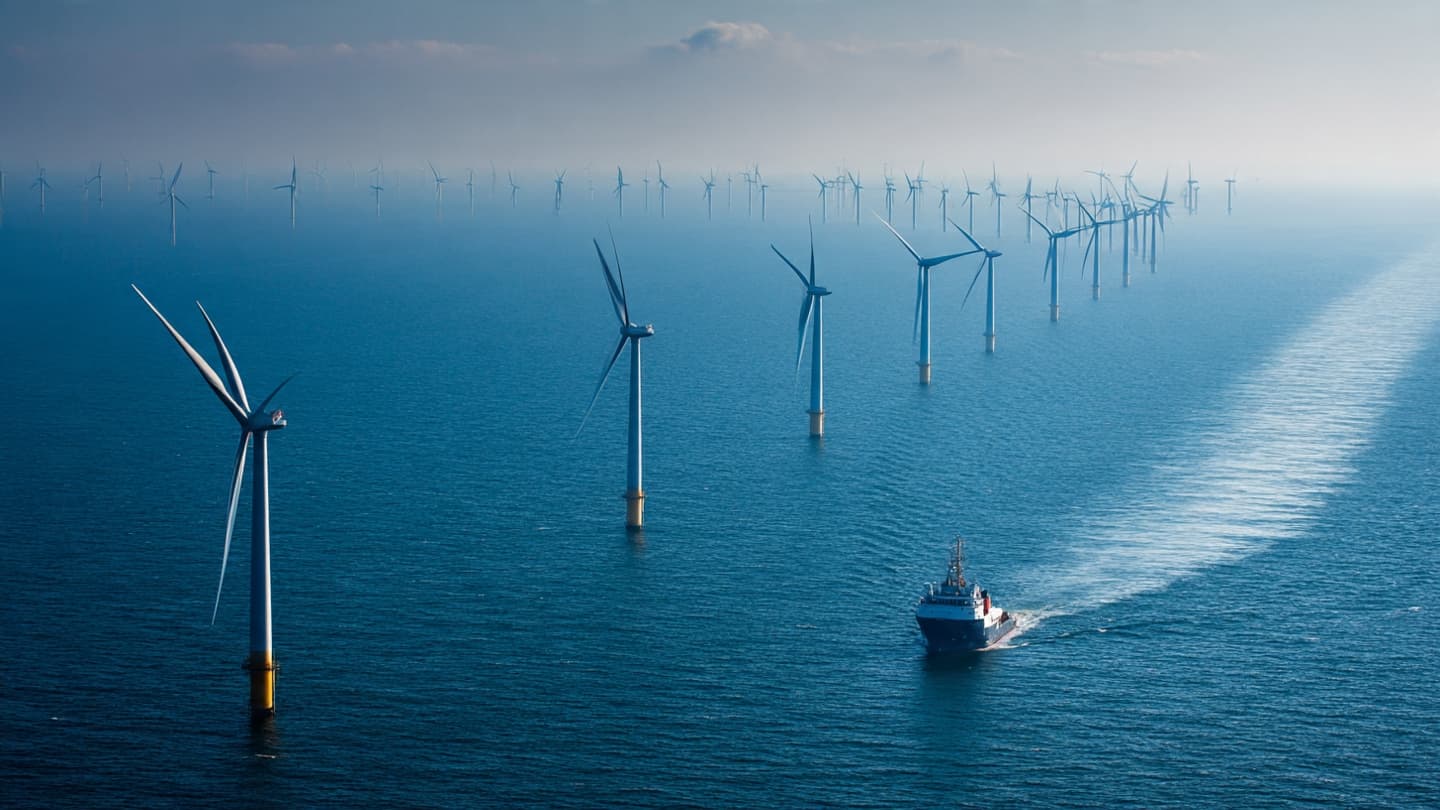
AI Image Disclaimer Visuals are created with AI tools and are not real photographs.
Source Check Business France Reuters Bloomberg OECD European Commission
Published by Banx Network. This article is part of the Banx decentralized media programme, powered by the BXE token on the XRP Ledger.