In the quiet rhythm of property markets, one small number can carry a heavy weight. For many homeowners in England and Wales, the annual ground rent — the sum paid to freeholders on top of mortgages and maintenance fees — has long been a source of frustration and uncertainty. On Tuesday, 27 January 2026, the government is expected to announce a cap on ground rents for existing leases, a move intended to bring relief to leaseholders long burdened by escalating charges.
The cap is anticipated to limit ground rents on residential properties to a fixed amount, reportedly around £250 per year, aligning with commitments made in the Labour manifesto. For decades, leaseholders, especially those in flats, have faced contracts where ground rent doubles every 10 to 25 years, creating practical hurdles for mortgage approval and property sales. This reform is designed to stop the compounding charges that have made some homes difficult to sell and left leaseholders feeling trapped in their own property.
Leasehold is a uniquely English and Welsh institution: homeowners purchase the right to occupy a property for a fixed period, while the freeholder retains ownership of the land. While new builds have already benefitted from the 2022 Leasehold Reform (Ground Rent) Act, which abolished ground rent on most new leases, millions of existing leaseholders remain exposed to historic charges. The forthcoming cap seeks to bring fairness retroactively, ensuring that these homeowners are no longer financially constrained by archaic terms.
Politically, the move has been long anticipated. Senior figures such as Angela Rayner have pressed for a firm commitment to avoid watering down reforms, warning of a potential Labour rebellion if promises are not fulfilled. At the same time, industry bodies have voiced concerns that retrospective caps could impact freehold investors, including pension funds that rely on ground rent income. The government, however, frames the policy as a necessary correction to an unfair system, balancing property rights with social equity.
The announcement will clarify several points: the exact level of the cap, the types of leases included, and how it interacts with ongoing plans to promote commonhold tenure as a modern alternative to leasehold. For homeowners, the cap promises predictability; for the market, it signals a shift toward transparency and fairness in homeownership costs.
By mid-week, the housing sector will be analyzing the details, and for many leaseholders, the promise of a capped ground rent may finally transform a decades-long grievance into tangible relief.
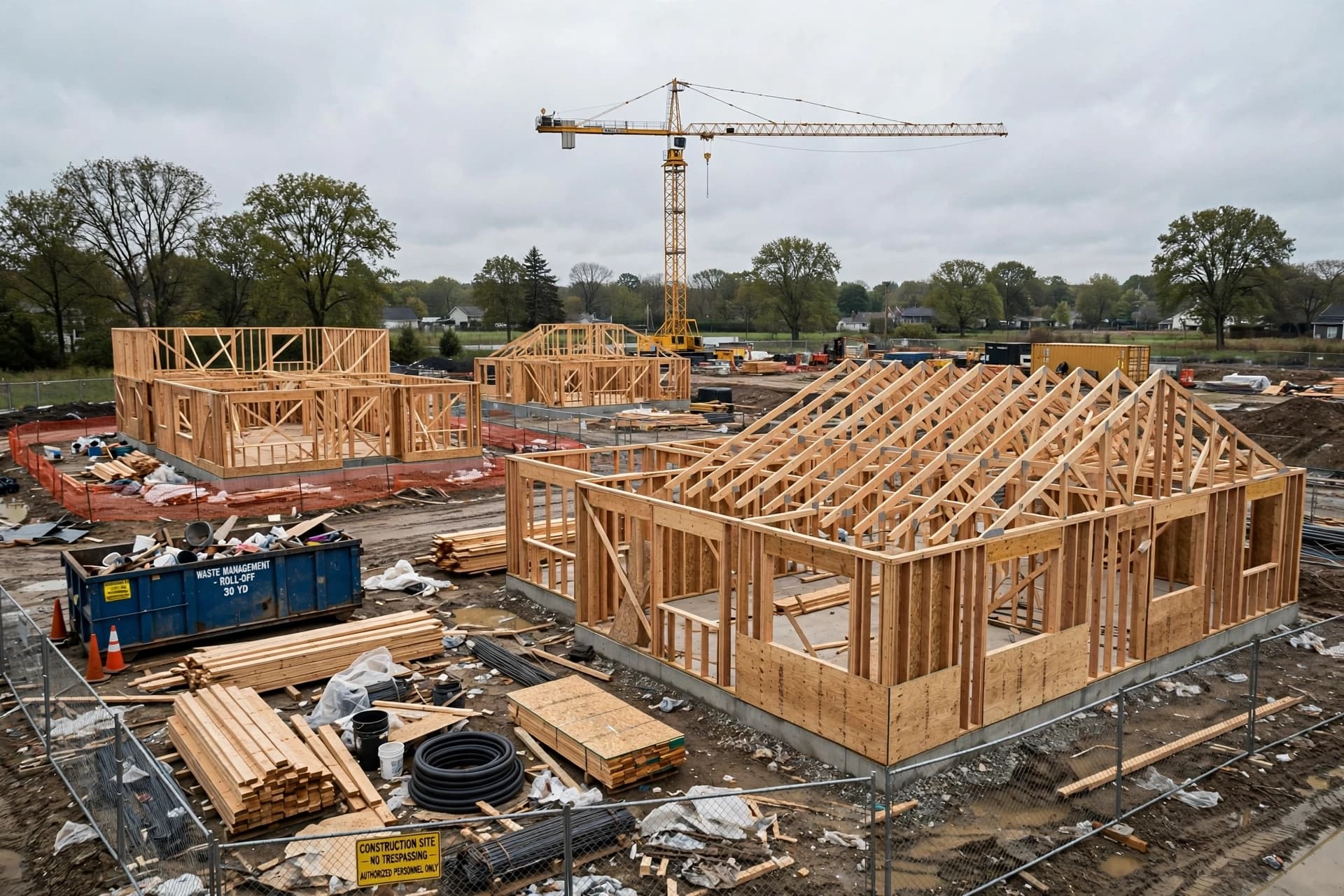
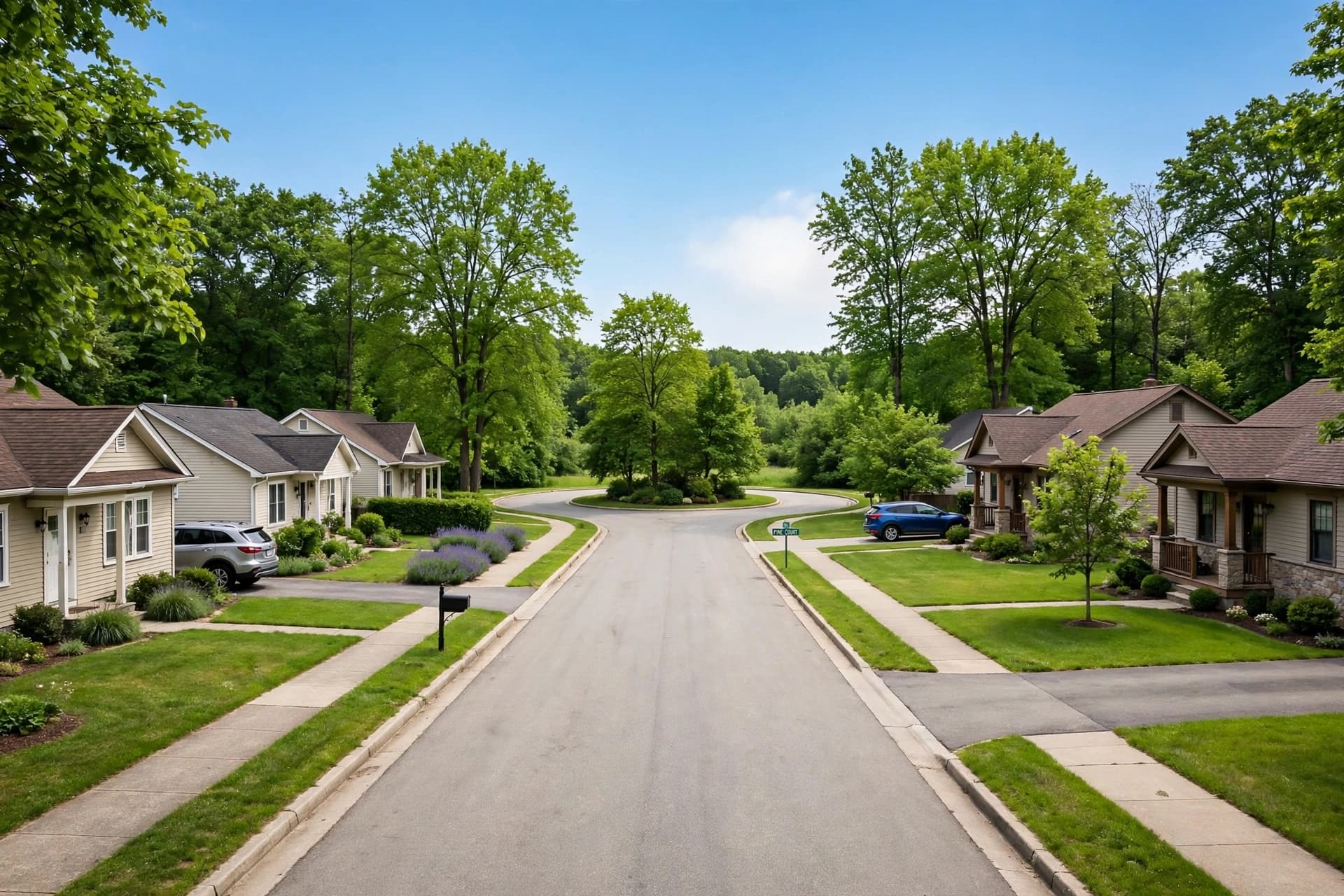
AI Image Disclaimer “Graphics are AI-generated and intended for representation, not reality.”
SOURCES Financial Times (FT) AOL News Leasehold Knowledge The Guardian Michelmores / Gov UK
Published by Banx Network. This article is part of the Banx decentralized media programme, powered by the BXE token on the XRP Ledger.