Political careers are often long journeys, marked by milestones of service, conflict, and change. For Gerry Kelly, a veteran figure in Northern Irish politics, the road has been particularly winding. Having served as a Member of the Legislative Assembly (MLA) and held various ministerial roles, he has been a constant presence in the Stormont landscape. Now, he has announced that he will not contest the next election, signaling the end of an era. This decision invites reflection on the evolution of political leadership and the legacy of those who have shaped the region’s recent history.
Body: Gerry Kelly’s tenure has spanned decades, witnessing some of the most significant transitions in Northern Ireland. From the turbulent years of the Troubles to the establishment of the power-sharing executive, he has been a participant in the unfolding narrative. His decision to step down is seen as a natural progression, allowing new voices to emerge. In a political environment that is constantly evolving, the turnover of leadership is essential for renewal and adaptation.
The reaction from colleagues and constituents has been one of respect. Regardless of political affiliation, many acknowledge his dedication and resilience. He has been a polarizing figure for some, yet his commitment to his constituency and his party is undeniable. His absence will leave a void in the assembly, particularly for those who valued his experience and institutional knowledge.
This announcement comes at a time when Stormont is facing new challenges. Issues such as healthcare reform, economic recovery, and community relations require fresh perspectives. The departure of veteran politicians like Kelly creates opportunities for younger leaders to step forward. It encourages a shift in dynamics, potentially bringing new energy and ideas to the legislative process.
For the Democratic Unionist Party (DUP) and Sinn Féin, the changing guard represents a strategic shift. Both parties must prepare for a post-veteran era, identifying successors who can navigate the complex landscape of Northern Irish politics. The transition of power is a critical test for any political organization, requiring careful planning and mentorship.
Kelly’s legacy is mixed, reflecting the complexities of Northern Ireland’s history. He has been involved in key negotiations and decisions that have shaped the present. Historians and analysts will continue to debate his impact, but his role in the peace process and governance is part of the recorded history of the region. His departure marks the closing of a chapter that began in a very different time.
The upcoming election will be watched closely to see who fills the seats left by retiring veterans. It will be a testament to the vitality of the democratic process in Northern Ireland. Voters will have the chance to shape the future direction of the assembly, choosing representatives who reflect their current priorities and aspirations.
Closing: As Gerry Kelly prepares to leave the political stage, his contribution remains part of the fabric of Stormont. His decision to step down is a reminder that all political careers have a season. The focus now shifts to the future, as new leaders prepare to take up the mantle of service.
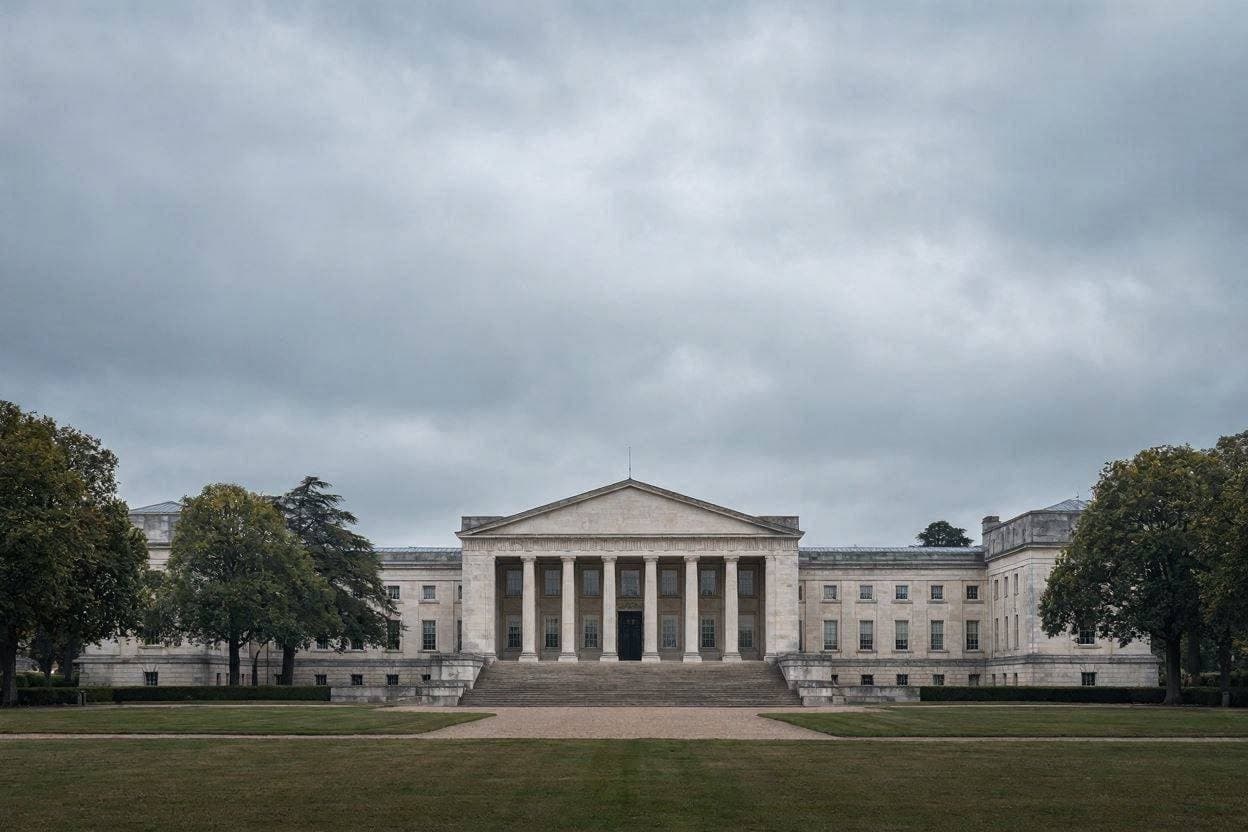
AI Image Disclaimer: Images included here are AI-generated conceptual illustrations of parliamentary buildings and political discourse, designed to visualize the themes of governance and transition.
Sources: BBC News NI The Belfast Telegraph Irish News Stormont Official Records
Published by Banx Network. This article is part of the Banx decentralized media programme, powered by the BXE token on the XRP Ledger.