

Key Highlights
- Fuel shortages in conflict zones are reshaping daily life.
- Long queues and panic buying reflect societal anxiety.
- Authorities struggle to manage the crisis amid rising tensions.
Fuel shortages in conflict-affected regions have emerged as a significant issue, reshaping daily life and highlighting the human cost of such crises. In areas where wartime disruption has taken hold, the absence of fuel is not merely a logistical problem; it becomes a profound societal challenge that alters behaviors and interactions among communities.
In times of peace, fuel is often taken for granted, powering transportation and sustaining supply chains. However, in conflict zones, it transforms into a lifeline. The disruption of supply routes and damage to infrastructure lead to scarcity, which in turn fosters competition for limited resources. This competition can escalate tensions, as communities vie for access to fuel, a necessity for survival.
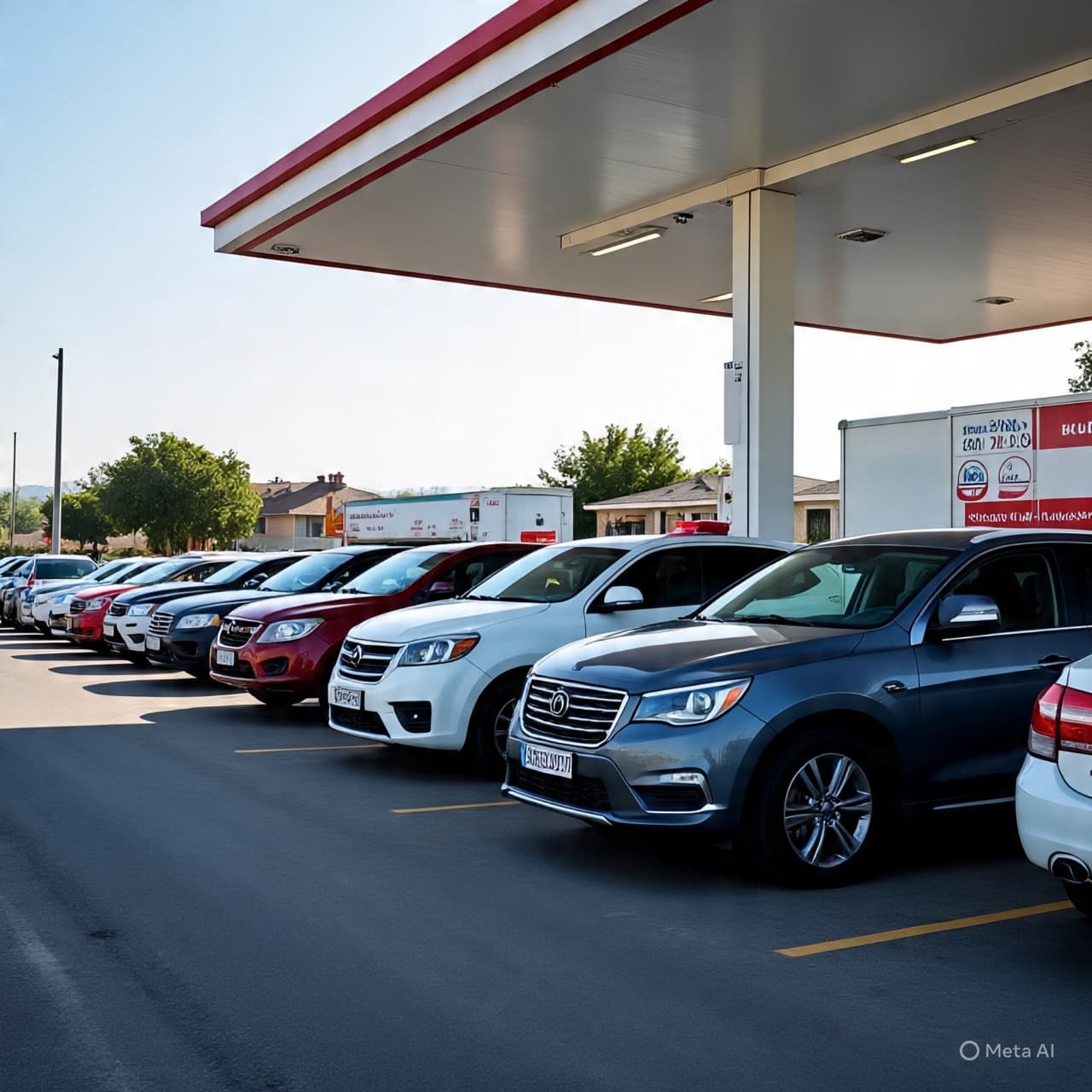
Long queues at fuel stations have become a common sight, with individuals waiting for hours, sometimes days, in hopes of securing a small amount of fuel. These lines are not just about filling tanks; they symbolize anxiety and uncertainty. The fear of being left without options drives people to wait, often leading to panic buying as individuals attempt to secure more than they need. This behavior, while understandable, exacerbates the situation, leading to quicker depletion of available resources.
As the crisis deepens, reports of unrest linked to fuel shortages have surfaced. Incidents of theft and violence are becoming more frequent, reflecting a broader strain on social stability. The desperation felt by individuals manifests in these actions, revealing the lengths to which people will go when faced with scarcity.
Transportation disruptions further complicate the issue, making it difficult for essential goods to reach markets. This not only increases prices but also limits access for many households, creating a double burden of reduced availability and rising costs. The economic strain on families is palpable, as they navigate the challenges of securing basic necessities amid a backdrop of conflict.
In response to the crisis, authorities have implemented measures such as rationing and emergency imports. While these efforts may provide temporary relief, they often fail to address the underlying structural challenges exacerbated by wartime conditions. The effectiveness of these measures is limited, leaving communities to fend for themselves in many respects.
In the face of these challenges, communities are finding ways to adapt. Shared transportation, reduced mobility, and local cooperation are becoming informal strategies for survival. These responses highlight the resilience of individuals, yet they also underscore the limitations of what can be achieved without broader systemic support.
Ultimately, the narrative surrounding fuel shortages is less about the fuel itself and more about the human experiences it reveals. In times of instability, even the most basic resources can become catalysts for significant change. The cost of conflict is visible not only on battlefields but also in the quiet struggles of everyday life, as communities grapple with the implications of scarcity and the fight for survival.
Published by Banx Network. This article is part of the Banx decentralized media programme, powered by the BXE token on the XRP Ledger.




