Education is often described as the foundation of society, built brick by brick by dedicated educators. In Victoria, however, that foundation is currently shaking as thousands of teachers step away from their classrooms. Participating in coordinated industrial action, they have left schools closed to students, sending a powerful message about the value of their profession. This strike is not just a dispute over wages; it is a profound statement on the conditions of teaching and the future of public education. It invites us to listen to the voices of those who shape young minds.
Body: The walkout involves members of the Australian Education Union (AEU), who have rejected recent pay offers from the state government. Teachers argue that the proposed increases do not keep pace with inflation or reflect the growing demands of the job. Beyond salary, concerns include workload, class sizes, and support for students with complex needs. The decision to strike was made after months of negotiation failed to produce an agreement that members felt was fair and sustainable.
For families, the closure of schools presents immediate challenges. Parents must arrange alternative care, disrupting work schedules and daily routines. While the inconvenience is significant, many express solidarity with the teachers, recognizing the broader issues at stake. Community discussions have emerged, focusing on the importance of investing in education and supporting the workforce that delivers it. This shared understanding helps to mitigate frustration and fosters a sense of collective responsibility.
The government has urged teachers to return to the negotiating table, emphasizing the impact of the strike on students. Officials argue that the current offer is reasonable and fits within budgetary constraints. However, union leaders maintain that the status quo is untenable. They point to rising rates of teacher burnout and attrition, warning that failing to address these issues could lead to a long-term crisis in the education sector.
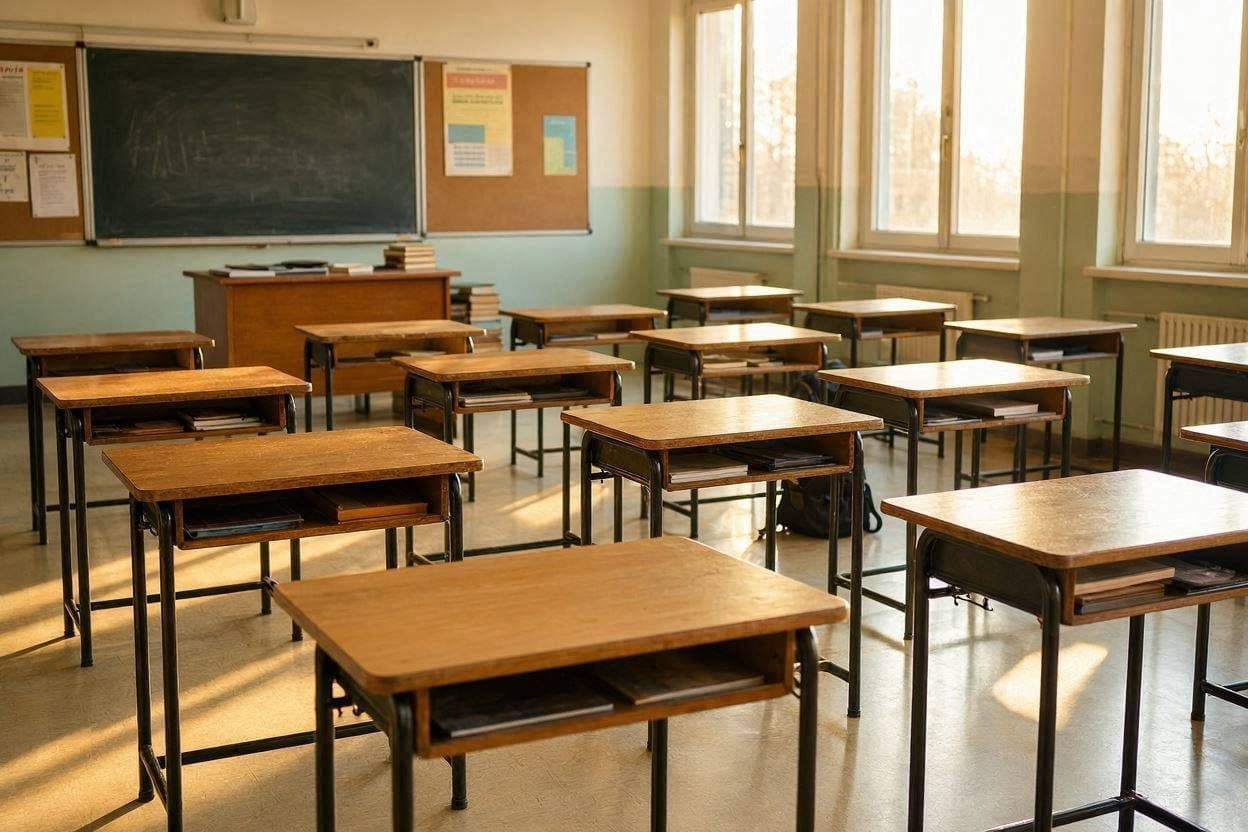
Schools themselves are quiet halls today, devoid of the usual chatter and energy. For teachers, the picket lines are a space of camaraderie and resolve. Signs bearing slogans about respect and fairness line the streets outside school gates. This visible display of unity underscores the depth of feeling among educators. It is a moment of pause, allowing them to advocate for changes that they believe will benefit not just themselves, but their students as well.
The economic implications of the strike are also being felt. Local businesses near schools may see reduced foot traffic, while parents may need to take unpaid leave. Yet, the focus remains on the principle of the matter. The debate highlights the tension between fiscal management and social investment. Finding a balance that honors the profession while maintaining economic stability is the central challenge facing policymakers.
As the day progresses, attention turns to the next steps. Will the government revise its offer? Will further strikes be scheduled? The outcome of this action will likely influence industrial relations in other sectors. It serves as a case study in how essential workers can leverage their position to demand better conditions. The resolution will require dialogue, compromise, and a mutual recognition of value.
Closing: The Victorian teachers’ strike is a poignant reminder of the human element in education. As classrooms remain empty, the conversation about worth and respect continues. Hopefully, through constructive engagement, a solution can be found that supports teachers and enriches the learning environment for all students.
AI Image Disclaimer: Visuals in this article are AI-generated representations of school environments and protest scenes, intended to illustrate the themes of industrial action and education without depicting specific real-world individuals.
Sources: The Age ABC News Victoria Herald Sun Australian Education Union
Published by Banx Network. This article is part of the Banx decentralized media programme, powered by the BXE token on the XRP Ledger.