The arteries of a city are its roads, pulsing with the daily movement of workers, goods, and ideas. In Portland, one of the most vital of these arteries, Interstate 5, is set to undergo a significant closure that will ripple through the region’s economic and social fabric. For several weeks, commuters will face disrupted routes and altered schedules, challenging the routine that defines modern work life. This interruption is not merely a logistical hurdle but a moment of adaptation, inviting employers and employees alike to rethink the rhythms of productivity and connectivity.
The closure, necessary for critical infrastructure maintenance and improvement, will affect thousands of drivers who rely on I-5 for their daily commute. The resulting congestion on alternative routes is expected to be substantial, adding time and stress to the journey. For businesses, this presents a unique challenge: how to maintain efficiency when the physical pathways to the workplace are compromised. The situation calls for creativity and flexibility, qualities that have become increasingly valuable in the modern economy.
Employers across Portland are responding with a variety of strategies. Many are encouraging remote work, allowing employees to bypass the traffic altogether. Others are adjusting shift times to avoid peak congestion periods, spreading the load across the day. Some companies are even offering incentives for carpooling or using public transit, fostering a sense of shared responsibility among staff. These measures reflect a growing recognition that work is not just a place you go, but a function you perform.
The shift toward flexibility is not new, but the I-5 closure accelerates its adoption. It serves as a real-world test of the resilience of remote work policies and digital collaboration tools. For many organizations, this period will provide valuable data on what works and what doesn’t, informing long-term strategies for hybrid work models. It is an opportunity to learn from disruption, turning a temporary inconvenience into a lasting improvement.
For employees, the change requires adjustment. Those accustomed to the structure of a daily commute may find the blurring of boundaries between home and work challenging. Others may welcome the extra time saved from driving, using it for family, rest, or personal projects. The experience highlights the diverse needs and preferences of the workforce, reminding employers that one size does not fit all. Communication and empathy are key to navigating this transition smoothly.
The economic impact extends beyond individual commuters. Local businesses along alternative routes may see increased traffic, while those near I-5 exits might experience a dip in customers. Delivery services and logistics companies are rerouting shipments, adding costs and complexity to supply chains. The broader economy feels the pinch, but it also demonstrates the adaptability of regional systems in the face of structural change.
As the weeks progress, the community will likely find new rhythms. The frustration of traffic may give way to a sense of camaraderie among those sharing the struggle. Employers who support their staff during this time will build loyalty and trust. The closure, while disruptive, offers a chance to strengthen the social and economic bonds that hold the city together.
Portland’s upcoming I-5 closure is prompting employers to adopt flexible work arrangements and alternative commuting strategies, highlighting the evolving nature of work and the importance of adaptability in urban economies.
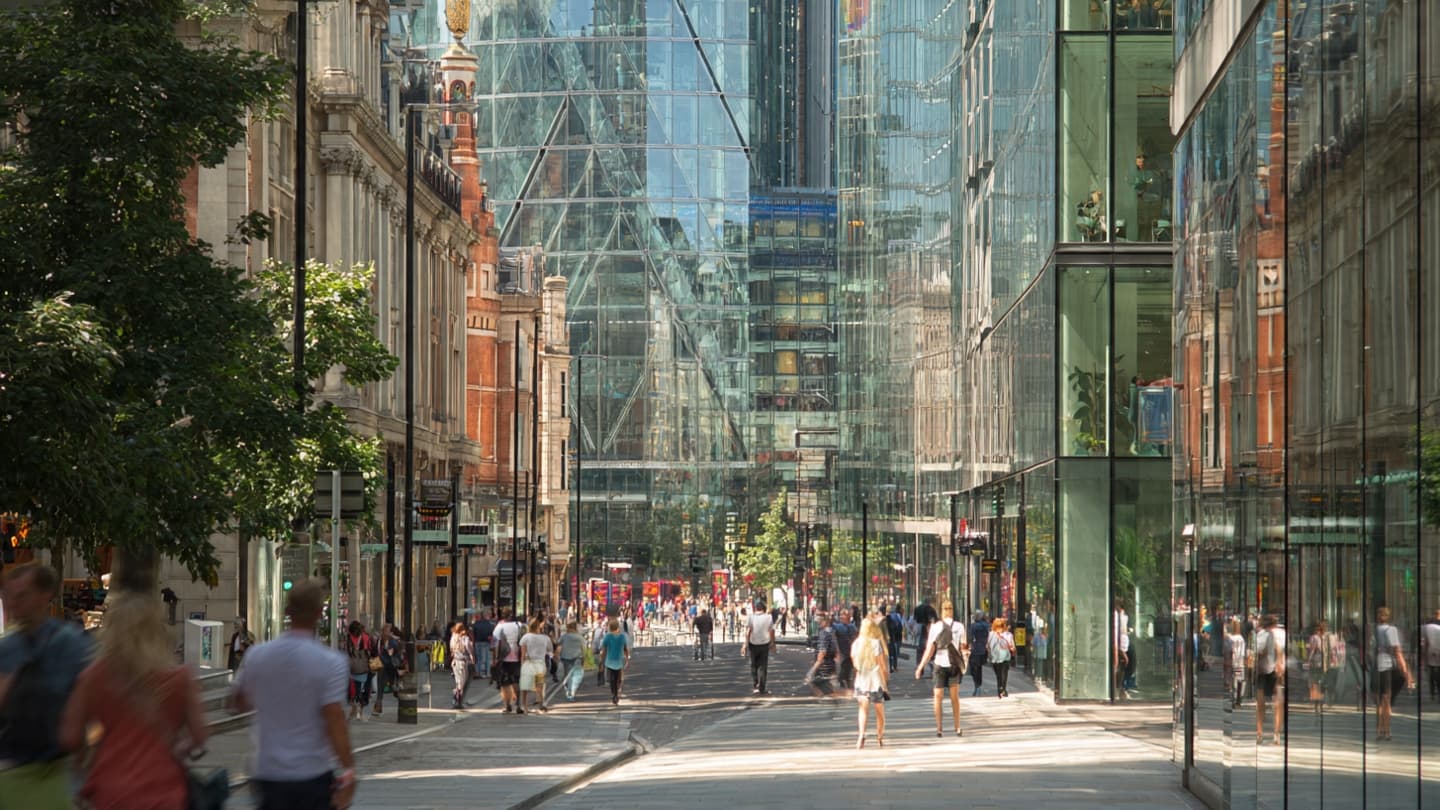
AI Image Disclaimer: Visuals associated with this article are computer-generated interpretations designed to complement the narrative, not actual photographic evidence.
Sources: The Oregonian Portland Business Journal KOIN 6 News Oregon Department of Transportation
Published by Banx Network. This article is part of the Banx decentralized media programme, powered by the BXE token on the XRP Ledger.