Key Highlights
- Public Safety Canada advises a minimum of 72 hours of emergency supplies.
- Experts suggest increasing preparedness to at least seven days.
- Recent global events have prompted renewed discussions on emergency readiness.
In a world increasingly fraught with uncertainty, the importance of being prepared for emergencies has never been clearer. Public Safety Canada has long maintained that Canadians should be ready to sustain themselves for at least seventy-two hours—three days—during emergencies. This guideline has remained unchanged despite evolving threats and challenges. However, recent discussions among experts suggest that this baseline may no longer suffice in the face of growing risks.
The urgency of this conversation has been amplified by recent preparedness campaigns in other countries. For instance, the United Kingdom's Be Ready campaign, launched in late October, encourages residents to stockpile supplies for seventy-two hours due to concerns over cyberattacks and severe weather. Similarly, Normandy in France and Japan have issued comparable recommendations, emphasizing the need for citizens to prepare for emergencies. While these announcements coincided, there is no evidence to suggest they were coordinated or linked to a specific impending crisis.
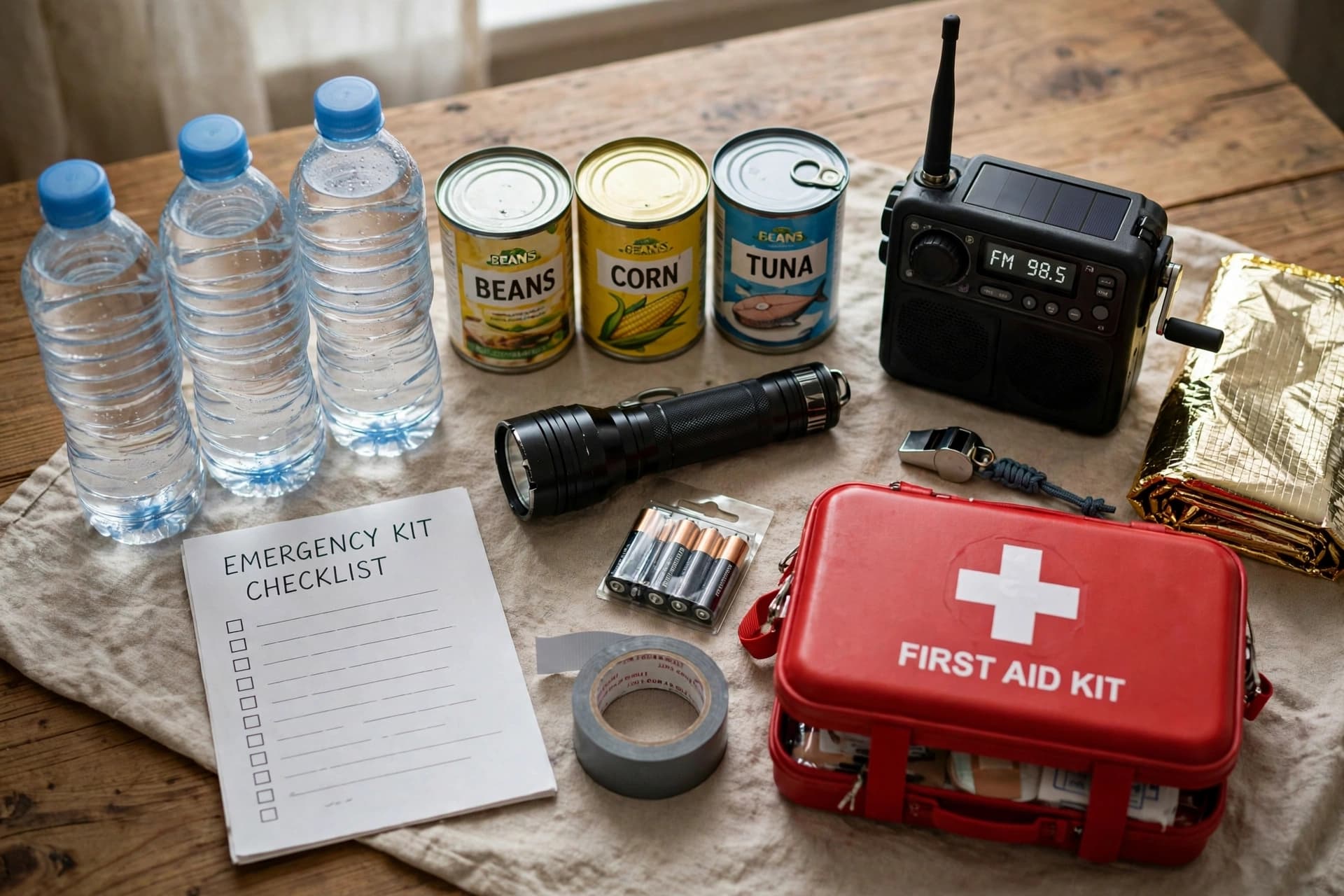
Public Safety Canada continues to advocate for the seventy-two-hour guideline, emphasizing that this timeframe allows emergency services to reach affected individuals and restore basic services. Their website outlines essential items for an emergency kit, including water, non-perishable food, a manual can opener, a crank or battery-powered radio, flashlight, extra batteries, a first-aid kit, medications, cash, and copies of important documents.
However, experts like Suzanne Bernier from the Disaster Recovery Institute of Canada argue that the standard should be elevated. Bernier advocates for a minimum of seven days' worth of supplies, citing the increasing frequency of both natural disasters and human-caused crises. She warns that the threat of cyberattacks on critical infrastructure is rising, stating, "It's just a matter of time before everybody is either indirectly or directly affected by a cyberattack. We need to really be preparing people for potentially not being able to have anybody respond to you or save your family within that first week."
Scott Cameron from Emergency Management Logistics Canada echoes this sentiment, suggesting that while a seventy-two-hour supply is a good starting point for personal preparedness, there is a pressing need for community-level resilience. He emphasizes the importance of identifying local supply chains and fostering a culture of mutual assistance among Canadians, rather than relying solely on external help during emergencies.
The divergence between official guidelines and expert recommendations highlights the complexities of preparing for unpredictable events. While seventy-two hours serves as a foundational guideline, extending preparedness to seven days offers a crucial buffer against the fragility of the systems we depend on. Ultimately, the most significant number may not be the one specified in government guidelines, but rather the one each household determines based on their unique circumstances and risks.
In conclusion, as Canadians reflect on their emergency preparedness strategies, it is essential to consider not only the minimum requirements but also the potential need for greater resilience in the face of an uncertain future. By taking proactive steps to enhance their readiness, individuals and families can better navigate the challenges that may lie ahead.
AI Image Disclaimer: The visuals in this article are generated by AI and are illustrative only; they do not depict the actual government guidance, the experts quoted, or any specific emergency kit.
Published by Banx Network. This article is part of the Banx decentralized media programme, powered by the BXE token on the XRP Ledger.