

Key Highlights
- Cultural Adaptation:Europeans embrace summer heat with lifestyle adjustments.
- Architectural Heritage:Historic buildings designed for passive cooling.
- Climate Change Impact:Increasing heatwaves challenge traditional practices.
Europe's relationship with summer heat is deeply rooted in its architectural and cultural heritage. Unlike the United States, where air conditioning is a staple of modern life, many European homes and offices rely on natural ventilation and passive cooling methods. This difference is not merely a matter of preference; it reflects centuries of architectural design that prioritizes thermal comfort without the need for mechanical cooling.
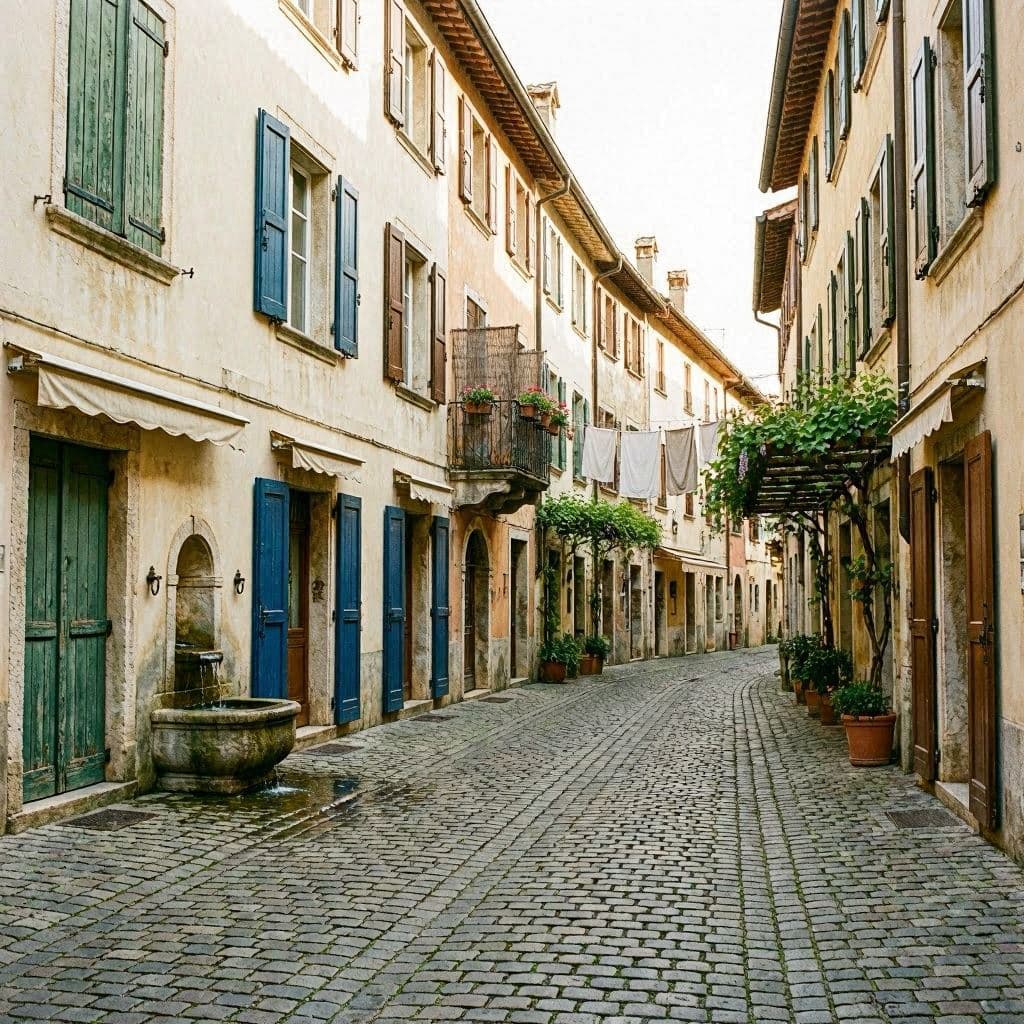
The architectural landscape of Europe features thick stone walls, high ceilings, and strategically placed shutters that help maintain cooler indoor temperatures during the summer months. These designs were developed long before the advent of air conditioning, relying instead on thermal mass and airflow to keep interiors comfortable. In many historic cities, the narrow streets and shaded plazas were intentionally designed to mitigate heat, creating a built environment that harmonizes with the natural climate.
Culturally, Europeans tend to embrace the changing seasons rather than resist them. Summer heat is often viewed as a temporary condition to be managed through lifestyle adjustments. For instance, many people take siestas during the hottest parts of the day, dine later in the evening, or retreat to cooler coastal areas. This approach fosters a rhythm of life that is attuned to the environment, promoting a slower pace during peak heat hours. It reflects a philosophy that values adaptation over technological solutions.
Economic factors also play a significant role in the limited use of air conditioning in Europe. Energy costs are generally higher than in the United States, making the operation of air conditioning units a costly endeavor. Additionally, many older European neighborhoods have electrical grids that were not designed to handle the increased demand that widespread AC usage would create. Upgrading this infrastructure would require significant investment and could disrupt the historical character of these areas, making municipalities hesitant to pursue such changes.
However, the realities of climate change are beginning to challenge this traditional stance. With heatwaves becoming more frequent and intense, the tolerance for discomfort is diminishing. Recent summers have seen record-breaking temperatures across the continent, leading to health crises and reduced productivity. The old methods of passive cooling are increasingly inadequate for protecting vulnerable populations, particularly the elderly, from the dangers of extreme heat. As a result, the debate over air conditioning is shifting from a cultural choice to a public health necessity.
In response to these challenges, some European countries are starting to adapt. Sales of portable air conditioning units and fans have surged in recent years, and newer buildings are increasingly incorporating modern cooling systems. Governments are also discussing subsidies for energy-efficient appliances to help mitigate the impact of rising temperatures. However, this transition is slow and fraught with concerns about environmental sustainability, as air conditioning contributes to greenhouse gas emissions, creating a feedback loop that exacerbates climate change.
The European resistance to air conditioning also reflects a broader skepticism toward technological solutions for every problem. There is a prevailing belief that comfort should not come at the expense of environmental integrity or historical authenticity. This perspective encourages innovation in green building techniques, such as green roofs and reflective materials, which offer cooling without the carbon footprint associated with traditional air conditioning. It represents a search for harmony between modern needs and ecological responsibility.
Ultimately, the lack of widespread air conditioning in Europe serves as a reminder of a different way of living. It highlights that comfort is subjective and culturally defined. As climate change continues to reshape the landscape of summer heat, Europe may gradually embrace more mechanical cooling, but it will likely do so on its own terms, blending technology with tradition. The story of air conditioning in Europe is not just about temperature; it is about how societies choose to interact with their environment and adapt to changing conditions.
Published by Banx Network. This article is part of the Banx decentralized media programme, powered by the BXE token on the XRP Ledger.




