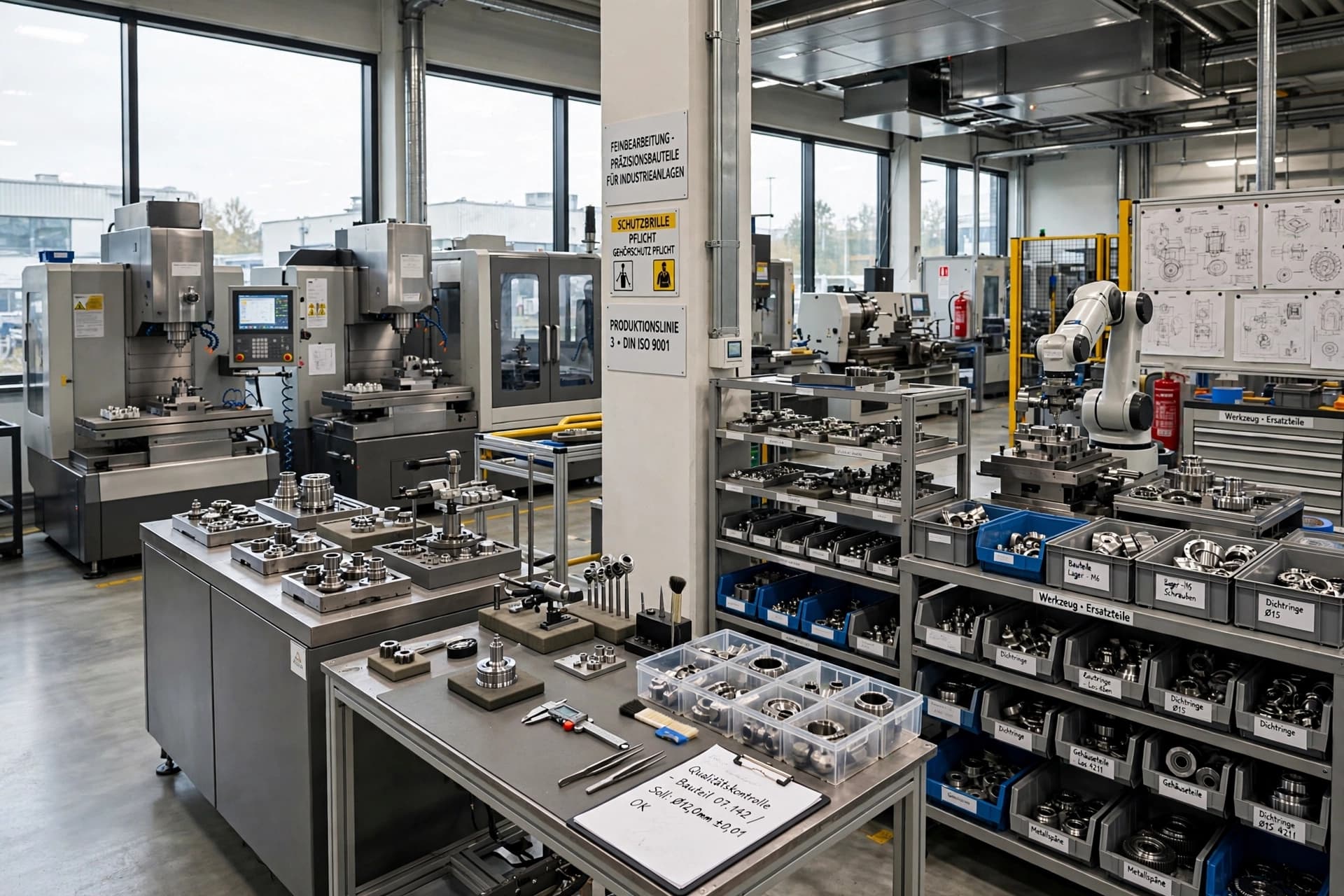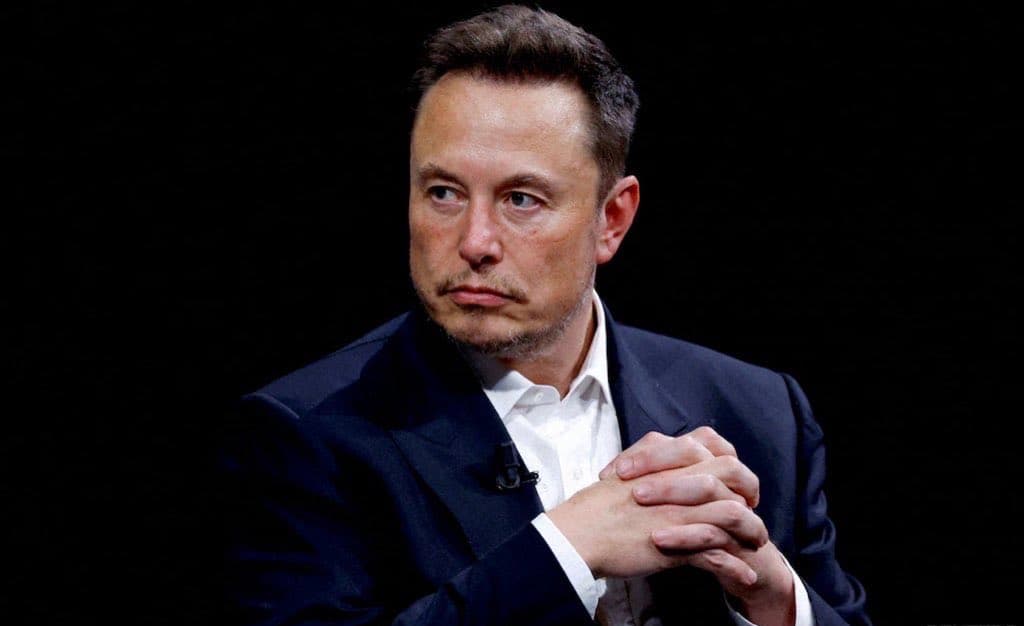
Tech entrepreneur Elon Musk has again outlined his vision of a future in which artificial intelligence and advanced robotics perform nearly all forms of labor, fundamentally transforming the global economy. Speaking about the rapid pace of AI development, Musk argued that machines will eventually be capable of carrying out virtually every job currently performed by humans, making employment a matter of personal choice rather than economic necessity. According to Musk, advances in generative AI, autonomous robots and machine learning are accelerating faster than many experts anticipated. He believes future AI systems will not only perform repetitive factory tasks but will also handle professional work such as engineering, medicine, education, software development, legal research and scientific discovery. Combined with humanoid robots, these systems could dramatically increase global productivity. Musk suggested that once automation reaches sufficient scale, governments and societies may need to rethink traditional economic models. Instead of relying primarily on wages earned through employment, people could receive what he described as a "universal high income," allowing individuals to maintain a comfortable standard of living even if machines perform most productive work. The concept differs from the more widely discussed universal basic income (UBI), which generally provides a minimum level of financial support. Musk argues that AI-driven productivity could generate enough wealth to support a much higher standard of living, provided the economic benefits are distributed effectively across society. Supporters of this vision believe AI will eliminate dangerous, repetitive and physically demanding jobs while allowing people to focus on creativity, education, entrepreneurship, family life and scientific research. Businesses could benefit from increased efficiency, lower production costs and continuous operation through autonomous systems. However, economists and labor experts caution that widespread automation may also create major challenges. Large-scale job displacement could increase inequality if workers are unable to transition into new roles. Policymakers may need to invest heavily in education, retraining programs and social safety nets to help workers adapt to changing labor markets. Questions also remain regarding ownership of AI systems and how the enormous wealth generated by automation would be distributed. Some analysts argue that without appropriate policies, the economic gains could become concentrated among a relatively small number of technology companies and investors. Despite differing views on the timeline, most experts agree that artificial intelligence will continue reshaping industries over the coming decades. Whether work becomes optional or simply evolves into new forms remains one of the defining economic questions of the 21st century.
Published by Banx Network. This article is part of the Banx decentralized media programme, powered by the BXE token on the XRP Ledger.

.jpg&w=3840&q=75 "The Artemis Revolution: How NASA Plans to Build Humanity's Future on the Moon")