In the vibrant political landscape of Berlin, a new figure has emerged who captures the imagination of a changing Germany. Elif Eralp, a leftist leader with Turkish roots, has been nominated as the lead candidate for Die Linke (The Left Party) in the upcoming state elections. Dubbed "Germany’s Mamdani" by some observers, she represents a shift toward more diverse and progressive leadership in one of Europe’s most influential cities. Her rise reflects broader trends in global politics, where identity and ideology intersect in powerful ways.
Eralp’s background is marked by resilience and advocacy. Born to a family that fled the 1980 military coup in Turkey, she grew up navigating two cultures. This experience shaped her commitment to human rights, social justice, and inclusive policies. As a lawyer and activist, she has fought for marginalized communities, earning a reputation for empathy and determination. Her story is one of integration and empowerment.
The comparison to Zohran Mamdani, a rising star in New York politics, highlights Eralp’s appeal to younger, progressive voters. Like Mamdani, she champions affordable housing, climate action, and anti-discrimination measures. Her campaign resonates with those who feel left behind by traditional politics. She offers a vision of Berlin that is equitable and sustainable. Hope is a powerful motivator.
Die Linke has struggled in recent years, but Eralp’s leadership has revitalized the party. Polls show a competitive race, with her personal popularity driving support. If successful, she would become the first mayor of Turkish descent in Berlin, a milestone for representation. Her potential victory signals a shift in German politics, where diversity is increasingly valued. Representation matters.
Critics argue that her policies are too radical, warning of economic risks. However, supporters counter that bold changes are necessary to address systemic inequalities. The debate over her platform reflects broader societal tensions about the pace of reform. Balancing idealism with pragmatism is a challenge for any leader. Governance requires compromise.
For the Turkish-German community, Eralp’s candidacy is a source of pride. It validates their contributions to German society and inspires future generations. Her success could pave the way for more diverse leaders in other regions. Identity politics, when focused on inclusion, can strengthen democracy. Unity in diversity is strength.
International observers watch Berlin’s election with interest, seeing it as a barometer for European trends. The rise of leftist, multicultural leaders challenges traditional conservative dominance. Eralp’s campaign is part of a larger movement toward progressive governance. Global politics are interconnected.
In the end, Elif Eralp’s journey is a testament to the power of perseverance. She embodies the hopes of many who seek a fairer society. As the election approaches, her message of unity and justice resonates loudly. Berlin stands at a crossroads, and her leadership offers a path forward. Progress is a collective effort.
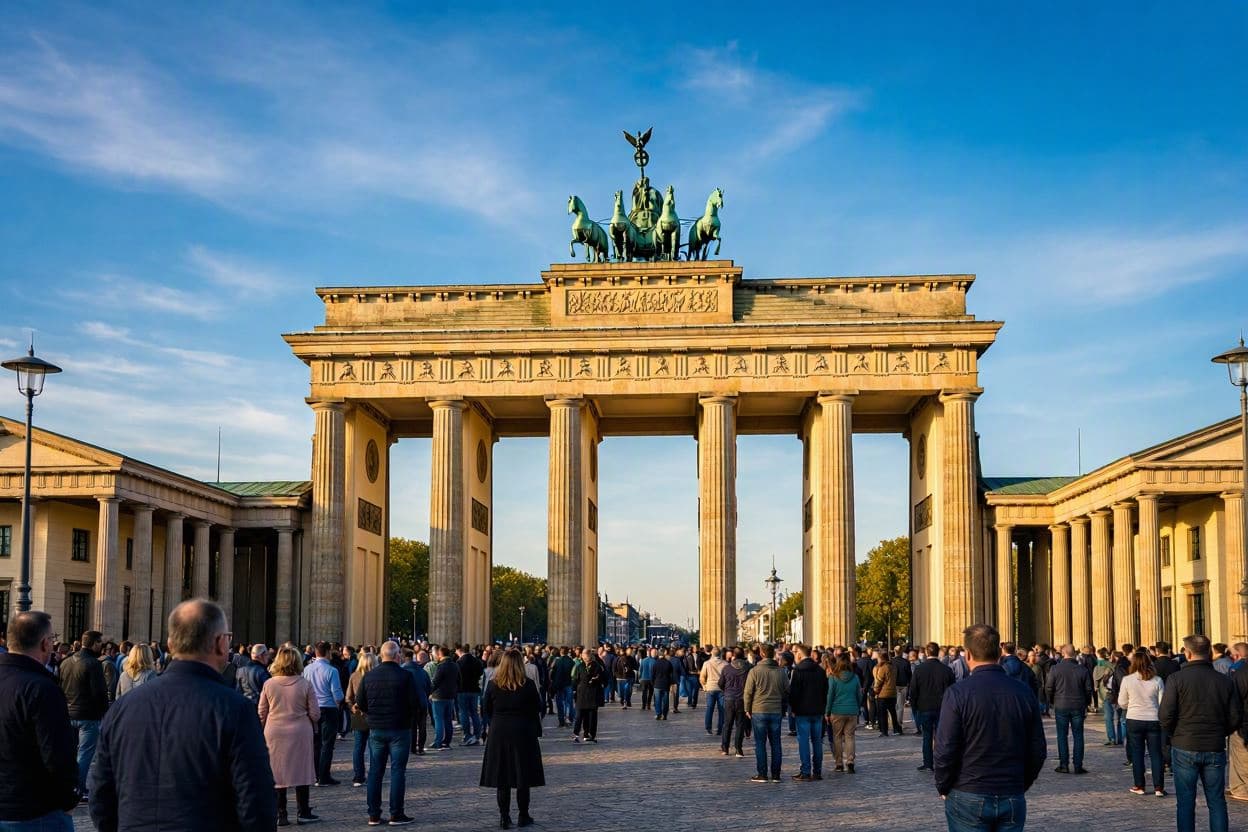
AI Image Disclaimer: The visual aids included here are AI-generated illustrations depicting political campaigns and urban landscapes, not actual photographs of Elif Eralp or specific election events.
Sources: Al Jazeera The Irish Times The Telegraph
Published by Banx Network. This article is part of the Banx decentralized media programme, powered by the BXE token on the XRP Ledger.