
Key Highlights
- Delay:Donald Trump has postponed military strikes on Iranian power infrastructure for five days.
- Context:The decision reflects ongoing tensions and the need for diplomatic reassessment.
- Implications:The pause may signal a shift in strategy and open channels for dialogue.
In moments of geopolitical tension, time can feel like a double-edged sword, where every second counts and yet, sometimes, a pause can be just as powerful as action. Recently, President Donald Trump announced a five-day delay in planned military strikes on Iranian power infrastructure, a decision that underscores the complex dynamics at play between the United States and Iran. This postponement is not merely a tactical retreat but a strategic interval that allows for reflection and potential recalibration of diplomatic efforts.
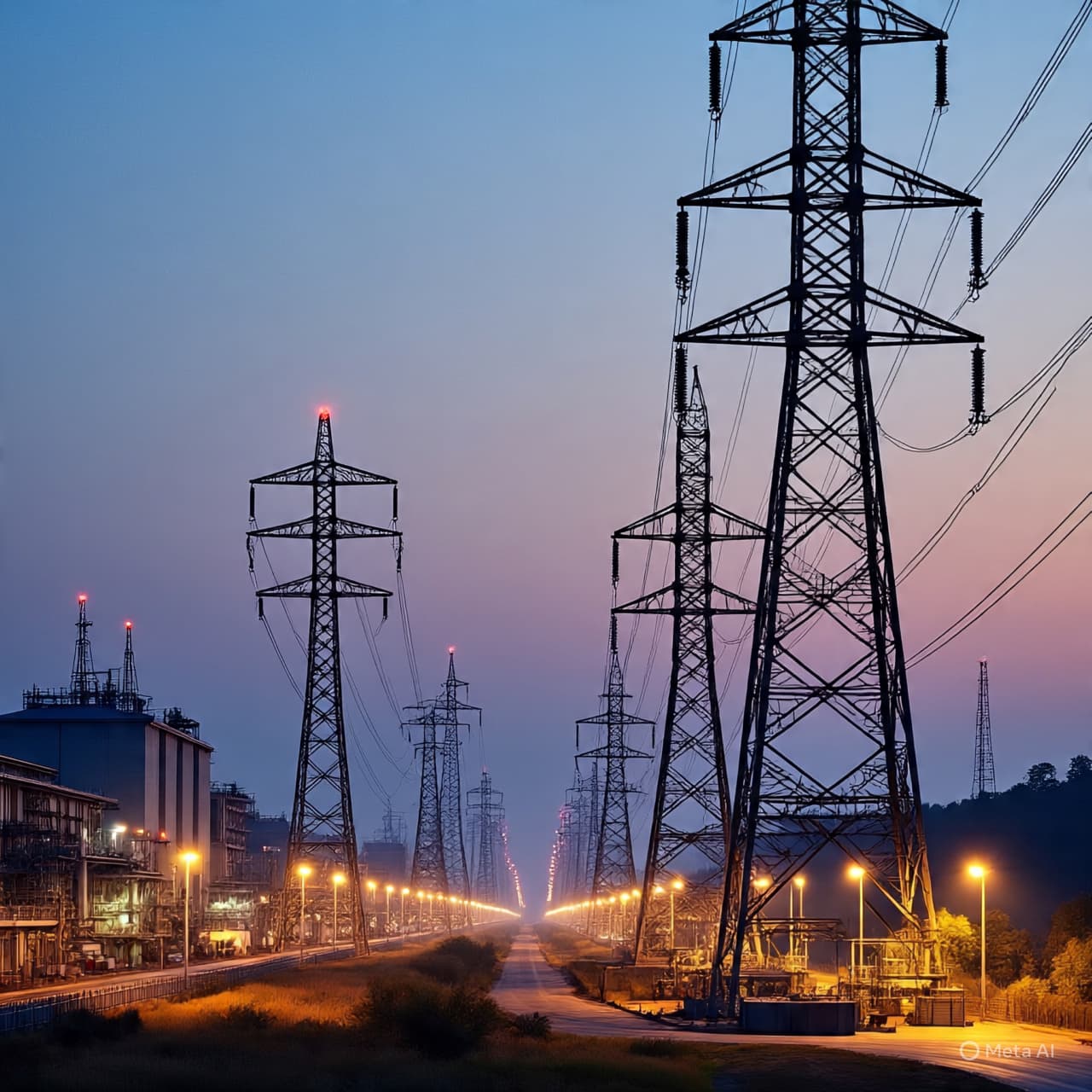
The decision to target Iranian power plants is laden with implications. These facilities are critical to the functioning of modern society, providing electricity to homes, hospitals, and businesses. The contemplation of military action against such vital infrastructure highlights the profound impact that conflict can have on everyday life. However, the five-day delay introduces a moment of respite, a chance to reconsider the ramifications of such actions.
Officials have characterized this delay as part of an evolving assessment influenced by intelligence reports, diplomatic communications, and the shifting landscape of regional politics. There are signs that communication channels between Washington and Tehran may be reopening, with messages being exchanged in a more measured tone. This suggests that even in times of heightened tension, the possibility for dialogue remains, albeit fragile.
The relationship between the U.S. and Iran has been marked by cycles of confrontation and restraint, often punctuated by sanctions and military posturing. Each development in this long-standing conflict carries the weight of history, making the current pause feel both significant and precarious. The five-day window allows for a reassessment of strategies, giving leaders time to consider the broader consequences of their actions.
Observers note that such delays can serve multiple purposes. They provide an opportunity for strategic recalibration, allowing leaders to weigh the potential fallout of military action. Additionally, they may signal a willingness to explore alternatives that could prevent escalation into open conflict. The complexity of these decisions often requires careful deliberation, as rushing into action can lead to unintended consequences.
As the five-day delay unfolds, attention will be focused not only on public statements but also on the behind-the-scenes negotiations and communications that may shape the future of U.S.-Iran relations. Markets, allies, and regional players will be closely monitoring the situation, interpreting the implications of this pause in their own ways.
Ultimately, the postponement represents both a decision and a hesitation, shaped by the interplay of intention and consequence. Whether this moment leads to renewed dialogue or a return to more aggressive measures remains uncertain. For now, the geopolitical landscape holds steady in this narrow space between action and inaction, where even a brief delay can open up new possibilities for resolution.
Published by Banx Network. This article is part of the Banx decentralized media programme, powered by the BXE token on the XRP Ledger.



