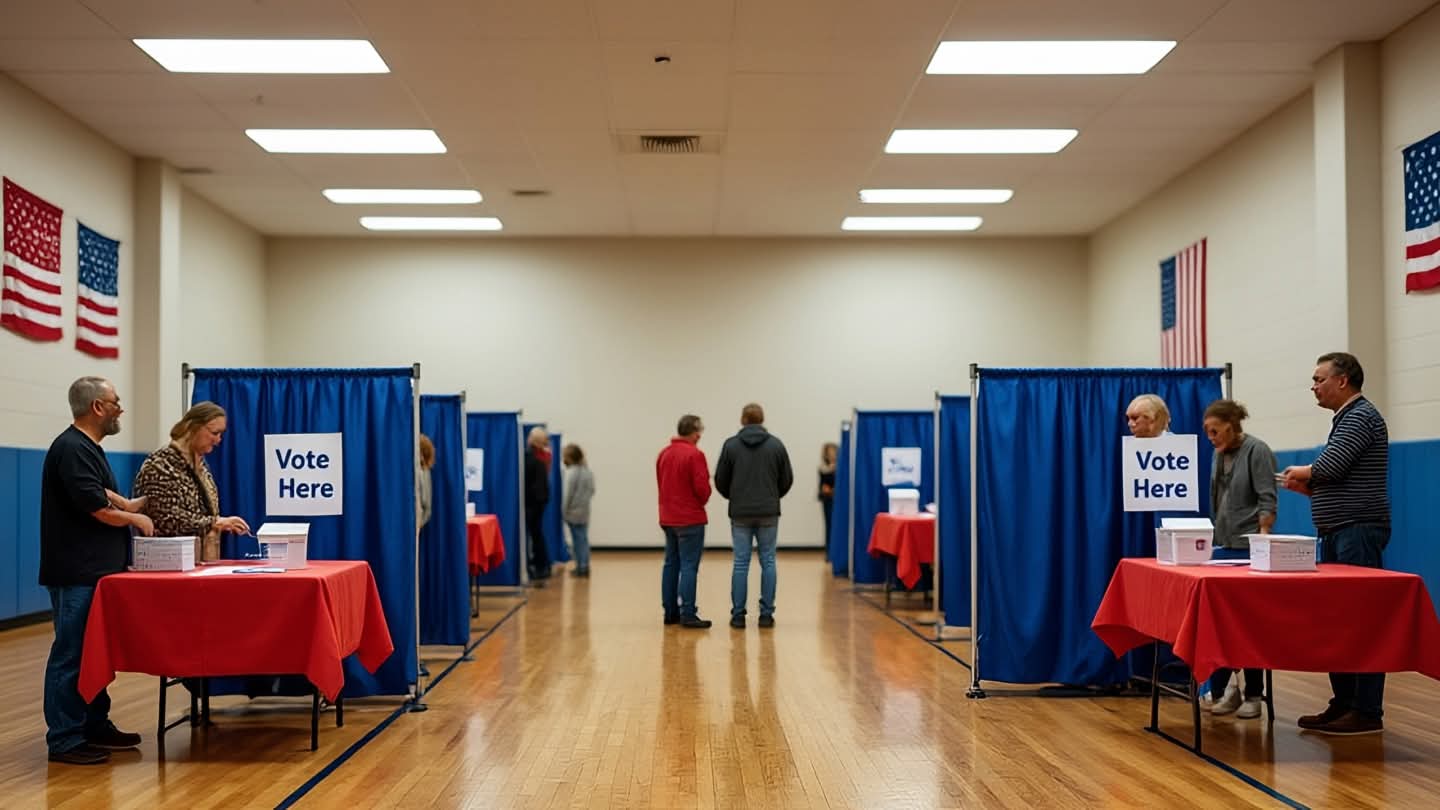
The rhythm of American democracy beats strongest during primary season, a time when the nation’s political future is quietly shaped in town halls, school gyms, and living rooms across the country. From the early voting states of the East to the expansive precincts of the West, coast-to-coast primaries are underway, determining the candidates who will vie for office in November. These elections are not just contests of policy but reflections of the evolving values and priorities of the American electorate.
In each state, voters gather to express their preferences, selecting nominees who best represent their views on issues ranging from economic stability to social justice. The diversity of the primary landscape means that no single narrative dominates; instead, a mosaic of local concerns emerges. In some regions, healthcare and education take center stage, while in others, infrastructure and job creation drive the debate. This variety ensures that the national conversation is rich and multifaceted.
For the candidates, these primaries are a test of endurance and adaptability. They must navigate complex political landscapes, engaging with diverse constituencies and addressing specific regional challenges. Success requires not only a clear vision but also the ability to listen and respond to the needs of voters. The primary process serves as a crucible, refining ideas and revealing the strengths and weaknesses of those who seek to lead.
Turnout varies significantly across states, influenced by factors such as weather, accessibility, and the competitiveness of the races. Efforts to increase participation, including early voting and mail-in ballots, aim to make the process more inclusive. When more voices are heard, the resulting slate of candidates better reflects the will of the people. However, disparities in access remain a challenge, prompting ongoing discussions about electoral reform and equity.
Media coverage plays a crucial role in shaping public perception of the primaries. Live updates, analysis, and polls provide real-time insights into the trends and shifts in voter sentiment. While this immediacy keeps the public engaged, it can also create a sense of urgency that overshadows the deliberative nature of democracy. Balancing speed with depth is key to informed citizenship.
As the results come in, parties begin the work of unifying behind their nominees. The primary season often leaves divisions, but the general election requires cohesion. Candidates must reach out to those who supported their opponents, building bridges across ideological divides. This process of reconciliation is essential for a healthy political system, ensuring that governance serves all citizens, not just the winners.
Looking ahead to November, the stakes are high. The choices made in the primaries will influence policy directions, judicial appointments, and international relations. Voters are aware of the weight of their decisions, and many approach the ballot box with a sense of responsibility and hope. The democratic process, though imperfect, remains a powerful tool for change and representation.
For now, the focus remains on the current contests. Each vote cast is a statement of belief, a contribution to the collective direction of the nation. As the sun sets on one primary day and rises on the next, the journey toward November continues, driven by the enduring spirit of civic engagement.
AI Image Disclaimer: Visuals in this article are AI-generated illustrations of voting booths and map graphics, designed to reflect the themes of elections and democracy without depicting real candidates or specific polling locations.
Sources: AP News, Reuters, Politico, The Hill
Published by Banx Network. This article is part of the Banx decentralized media programme, powered by the BXE token on the XRP Ledger.