
Key Highlights
- Unique Tradition:Elaborately decorated skeletons in Bavarian churches attract visitors.
- Cultural Significance:These displays reflect deep-rooted traditions about death and spirituality.
- Artistic Craftsmanship:Each skeleton tells a story, blending faith with local folklore.
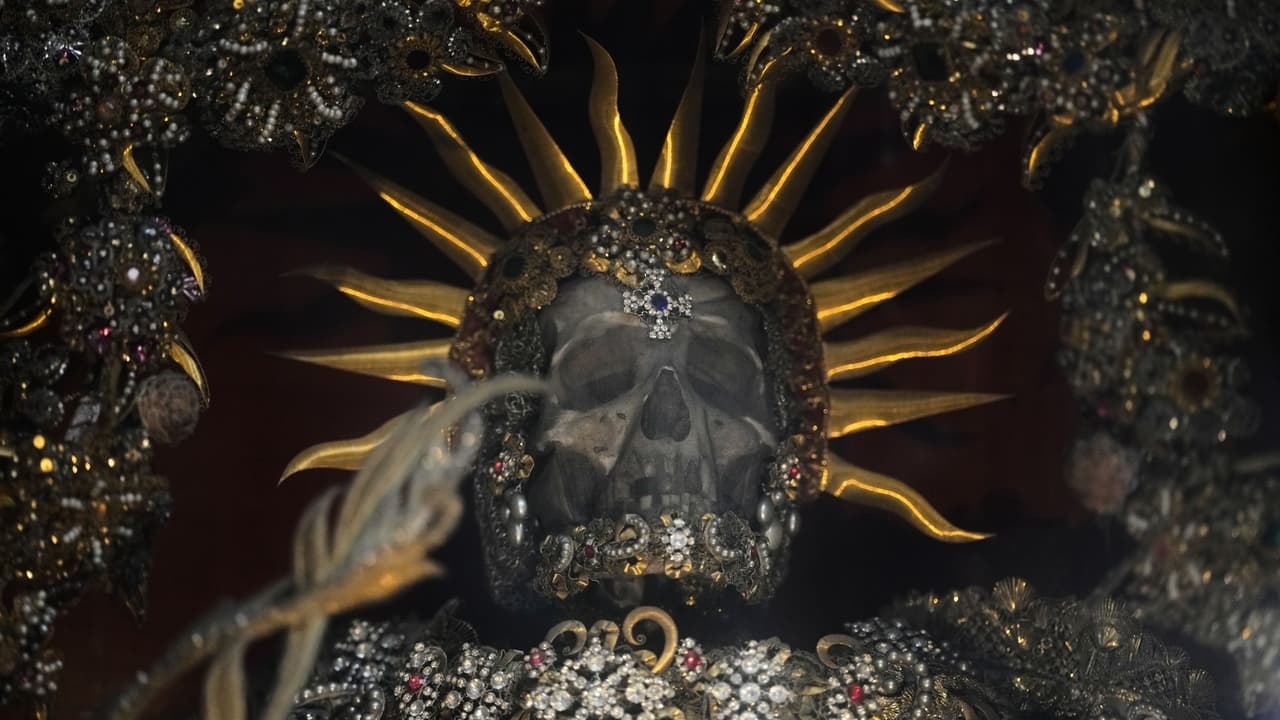
In Bavaria, the presence of elaborately decorated skeletons within Catholic churches has sparked a mix of awe and surprise among visitors. These macabre yet fascinating displays serve not only as an art form but also as a reminder of the region's deep-rooted traditions concerning death and the afterlife. The phenomenon, known as “Schädelkult” or the cult of skulls, intertwines historical practices with contemporary cultural expressions.
These artistic skeletons are often adorned with colorful garments, intricate jewelry, and delicate floral arrangements. This transformation of human remains into symbols of faith and community reflects a historical practice where the bones of deceased individuals were collected and displayed in ossuaries or charnel houses. The intention behind this practice is to inspire contemplation about mortality and the spiritual journey after death, encouraging both reverence and a deeper connection to the divine.
Visitors may be startled at first sight; however, many come to appreciate the artistic craftsmanship and the significant messages these skeletons convey. Each decoration tells a story, combining religious devotion with local folklore, and often highlights the tension between the celebration of life and the acceptance of death. The intricate designs and the care taken in their presentation showcase the skill of local artisans and the cultural importance of these displays.
In recent years, the phenomenon has attracted tourists interested in both architecture and cultural heritage, making this aspect of Bavarian churches a unique focal point for cultural exploration. As interest grows, local churches continue to embrace their elaborate decorations, offering guided tours and educational materials to explain their historical significance and artistic value. This engagement not only enhances visitor experience but also fosters a deeper understanding of the cultural context surrounding these artifacts.
Ultimately, these decorative skeletons serve as poignant reminders of life’s transience, encouraging visitors to reflect on their own lives and spirituality within the beautiful settings of Bavaria's sacred spaces. The blend of artistry, faith, and history encapsulated in these displays makes them a compelling attraction for anyone exploring the rich cultural tapestry of Bavaria.
Published by Banx Network. This article is part of the Banx decentralized media programme, powered by the BXE token on the XRP Ledger.



