In the battleground state of Michigan, the race for the U.S. Senate is heating up, with new polling data revealing a surprising lead for Democrat Abdul El-Sayed. According to a recent survey, El-Sayed holds a seven-point advantage over Republican Mike Rogers, a former congressman and Trump ally. This development has shifted the narrative in what was expected to be a tightly contested race, offering hope to Democrats and concern to Republicans.
El-Sayed, a former public health official and Detroit Health Department director, has campaigned on issues of healthcare access, economic equity, and democratic reform. His background in public service resonates with many voters who prioritize practical solutions over partisan rhetoric. The poll suggests that his message is gaining traction, particularly among independent and moderate voters who are crucial in swing states.
Mike Rogers, who secured the Republican nomination with Donald Trump’s endorsement, has focused on border security, inflation, and conservative values. He argues that El-Sayed’s policies are too radical for Michigan’s diverse electorate. However, the new numbers indicate that his strategy may not be enough to overcome the Democrat’s momentum. The seven-point gap is well outside the margin of error, signaling a significant shift in voter sentiment.
Political analysts attribute El-Sayed’s lead to effective grassroots organizing and a strong performance in debates. His ability to connect with voters on a personal level has helped him build a broad coalition. Additionally, dissatisfaction with national Republican policies may be driving some voters toward the Democratic candidate. The dynamic nature of the race means that these trends could change, but for now, El-Sayed has the upper hand.
For the Democratic Party, this result is a boost. Winning Michigan is essential for maintaining control of the Senate, and a strong candidate like El-Sayed increases their chances. National donors and organizations are likely to increase their support, seeing an opportunity to flip a key seat. The energy in the campaign is palpable, with volunteers and activists working tirelessly to turn out the vote.
Republicans, however, are not conceding. They point to historical trends and the potential for late-breaking issues to alter the landscape. Rogers’ campaign is ramping up advertising and outreach, aiming to close the gap before Election Day. They argue that polls are snapshots in time and that the final outcome depends on turnout and last-minute decisions.
The national implications are significant. A victory for El-Sayed would demonstrate the viability of progressive-leaning candidates in Midwest swing states. It could also serve as a rebuke to the Trump-aligned wing of the GOP, suggesting that voters are looking for alternatives. Conversely, a Rogers win would reaffirm the strength of conservative messaging in rural and suburban areas.
As the campaign enters its final stretch, both sides are preparing for a hard fight. Debates, town halls, and media blitzes will define the remaining weeks. For Michigan voters, the choice is clear: between two distinct visions for the state’s future. The poll provides a glimpse of the current mood, but the final verdict rests with the electorate.
In the end, the race is a testament to the unpredictability of politics. What seemed like a toss-up has tilted in favor of El-Sayed, but nothing is certain until the votes are counted. For now, the focus remains on engagement, education, and the democratic process that defines American governance.
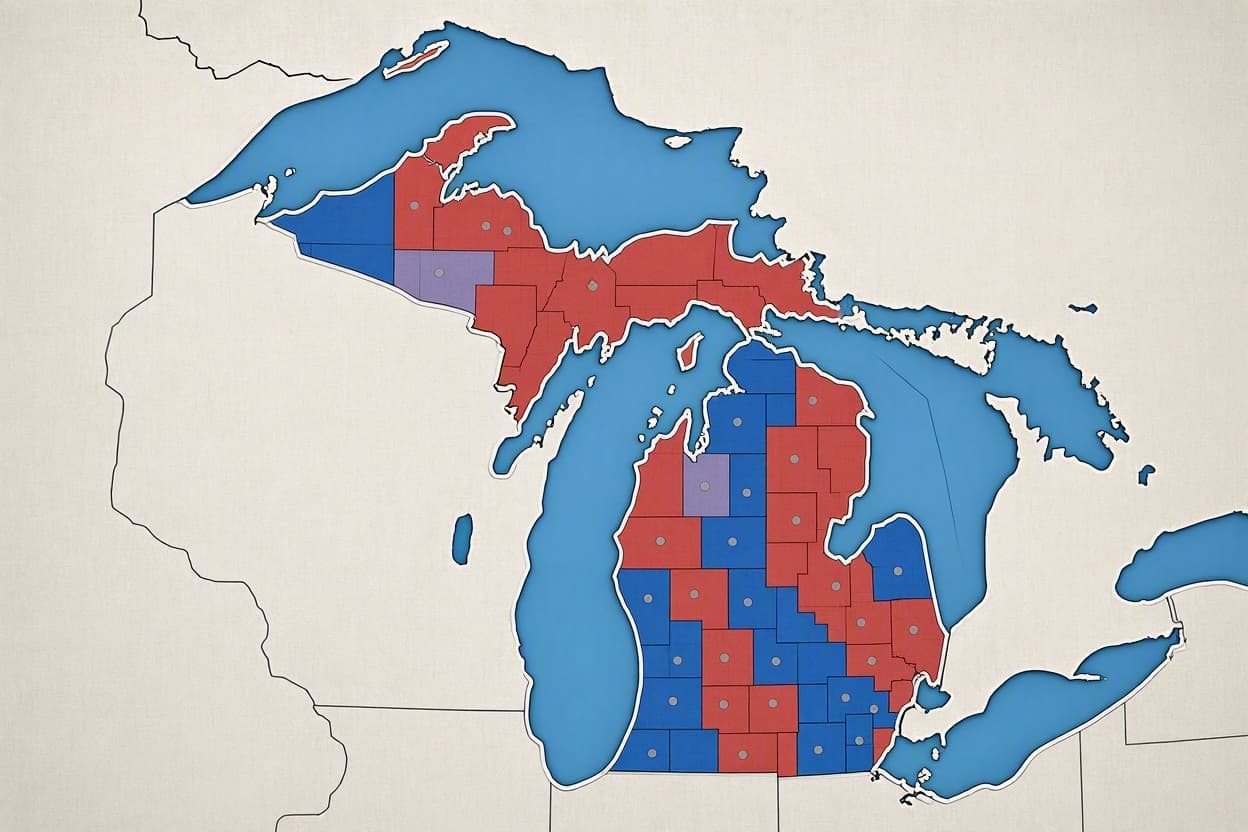
AI Image Disclaimer: Images accompanying this report are AI-generated artistic interpretations of polling charts and Michigan landscapes, intended to visualize the context of the election without depicting real candidates or proprietary data visuals.
Sources: The Hill, Quantus Insights, RealClearPolling, NBC News
Published by Banx Network. This article is part of the Banx decentralized media programme, powered by the BXE token on the XRP Ledger.