The Atlantic hurricane season, typically a period of heightened anxiety and preparation for coastal communities, has been remarkably quiet in 2026. As September approaches, the basin has yet to see a single named storm reach hurricane strength, a rarity that has puzzled meteorologists and residents alike. The primary culprit behind this unusual calm is a powerful climatic phenomenon known as El Niño, which has suppressed storm formation across the region.
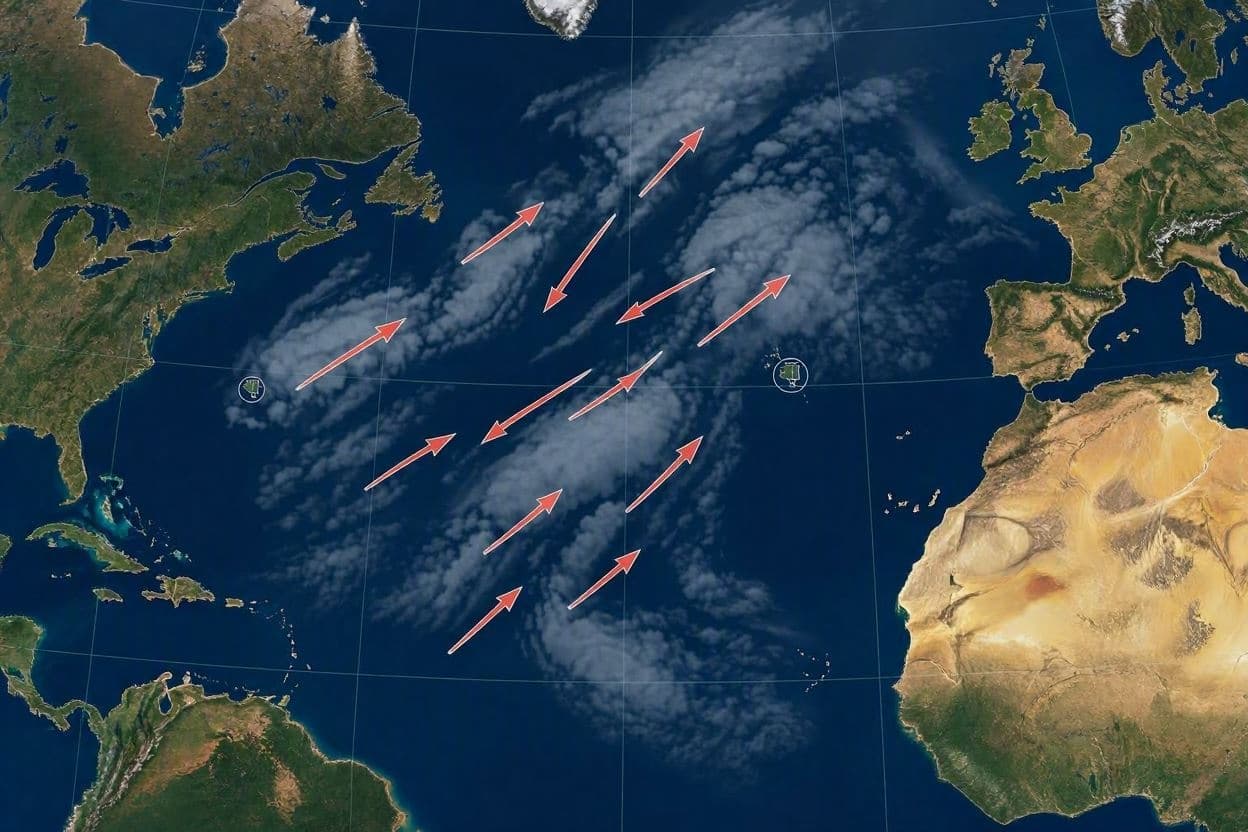
El Niño, characterized by warmer-than-average sea surface temperatures in the central and eastern Pacific Ocean, influences weather patterns globally. In the Atlantic, it creates strong vertical wind shear, a condition where wind speed and direction change rapidly with height. This shear tears apart developing storms before they can organize into hurricanes, effectively stifling their growth. It is a natural atmospheric brake that has kept the Atlantic unusually tranquil this year.
While the lack of hurricanes may seem like good news, it is important to understand the broader context. El Niño does not eliminate risk entirely; tropical storms and lesser systems can still bring heavy rain and flooding. Moreover, the suppression of activity in the Atlantic often correlates with increased hurricane activity in the Pacific, shifting rather than removing the threat. For communities in Hawaii and the western Americas, this means a potentially more dangerous season.
Climate scientists note that this pattern is consistent with historical data, though the intensity of the current El Niño event has made its impact particularly pronounced. The National Oceanic and Atmospheric Administration (NOAA) had predicted a below-normal season earlier in the year, citing this very factor. Their forecasts have proven accurate, providing valuable lead time for emergency managers and insurers.
For residents along the Gulf and East Coasts, the quiet season offers a reprieve but also a chance to prepare. Hurricane readiness is not just about reacting to immediate threats but maintaining long-term resilience. Infrastructure improvements, evacuation planning, and community education remain essential, regardless of annual variability. The absence of storms this year should not lead to complacency.
The environmental implications are also worth considering. Hurricanes play a role in redistributing heat and energy across the planet. A quieter season may affect ocean temperatures and marine ecosystems in subtle ways. Researchers are studying these effects to better understand the interconnectedness of global climate systems and their response to phenomena like El Niño.
As the season progresses into its peak months, the possibility of late-season activity remains. History shows that even quiet years can produce significant storms, so vigilance is key. Meteorologists continue to monitor the tropics closely, ready to issue warnings if conditions change. The dynamic nature of weather ensures that no season is entirely predictable.
In the end, the 2026 Atlantic hurricane season serves as a reminder of nature’s complexity. El Niño’s influence demonstrates how distant oceanic changes can have local impacts, shaping our weather and our lives. By understanding these connections, we can better adapt to the rhythms of our planet.
AI Image Disclaimer: The images accompanying this article are AI-generated artistic interpretations of weather patterns and oceanic phenomena, not actual satellite imagery or data visualizations.
Sources: NOAA CBS News PBS NewsHour
Published by Banx Network. This article is part of the Banx decentralized media programme, powered by the BXE token on the XRP Ledger.