On Saturday morning, Charlotte woke to a new kind of presence: not the hum of commuter traffic or the chatter of local vendors, but the soft but unmistakable shuffle of Border Patrol agents. The operation, dubbed “Charlotte’s Web,” spread across immigrant-rich corridors like Central Avenue and South Boulevard, leaving a hush as dozens of people were stopped, questioned, and ultimately detained.
By evening, the commander overseeing the surge, Gregory K. Bovino, posted on social media that 81 people had been arrested during the day — many, he said, with “significant criminal and immigration history.” For some, the message felt like a crackdown; for others, it was a fearsome reminder of vulnerability.
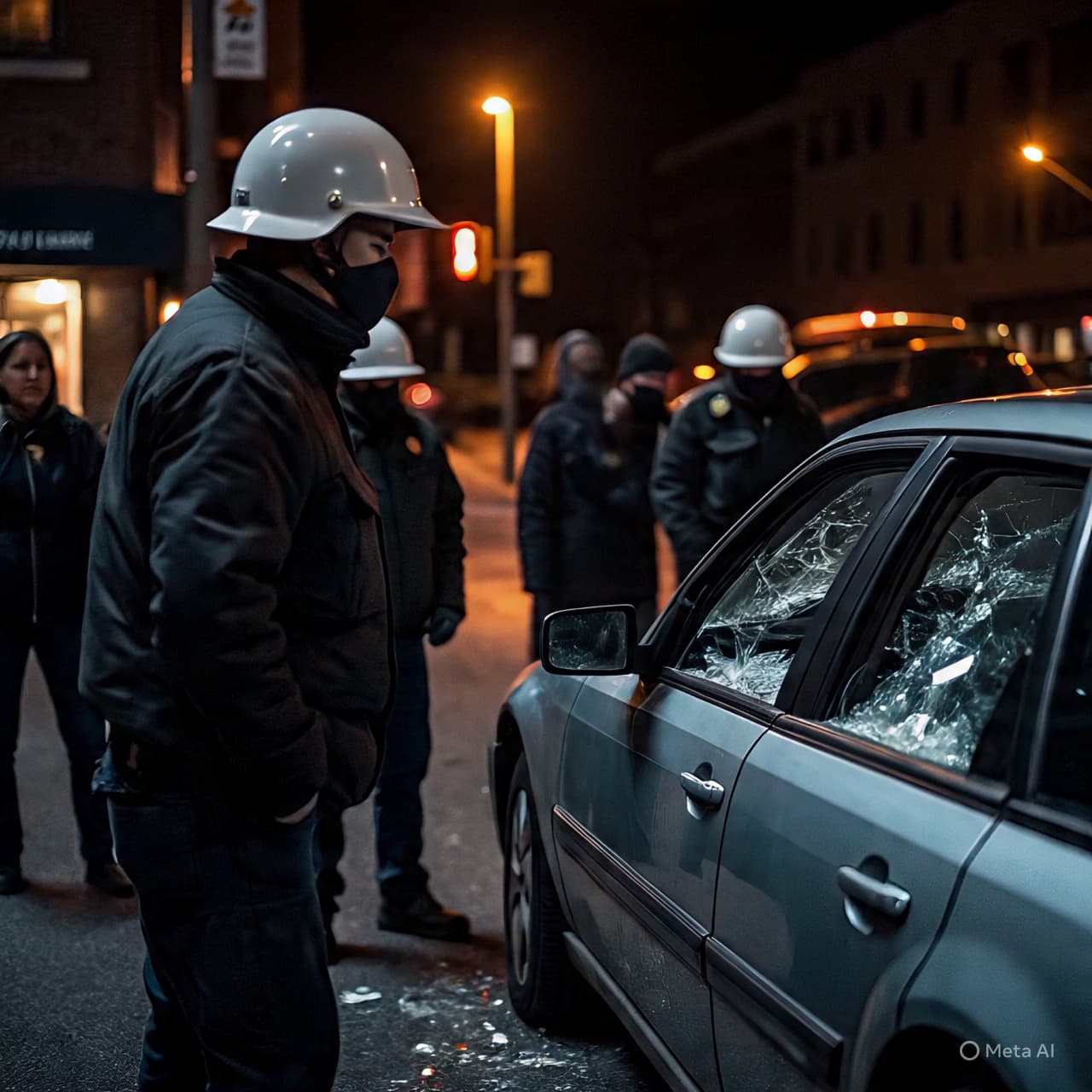
Witnesses shared intense moments: people chased on foot, agents breaking vehicle windows, and bystanders shaken by the sudden force of the sweep. One man said he was eating breakfast when masked officers chased two people nearby, then later boxed him in and demanded to see his status. Another described how agents smashed his car window during a stop, then dragged him from the vehicle.
The moral tension here is palpable. Homeland Security defended the move as critical to removing “public safety threats.” Meanwhile, Charlotte’s local leaders pushed back. Mayor Vi Lyles and other officials decried the operation as raising “unnecessary fear and uncertainty.” In some corners, residents documented what they saw, captured on cell phones — images not just of people arrested, but of people living in fear.
This is not just a one-day show. Activists are already calling out broader implications: what does it mean when an urban city, far from any physical border, becomes ground zero for a federal immigration sweep? For many in Charlotte’s immigrant communities, the theories and policies suddenly feel very immediate, very real.
And yet, from the federal perspective, the narrative is framed around public safety and law enforcement. Bovino’s assertion that many arrestees have serious records is central to that framing. But the lack of transparency about who exactly was arrested, on what charges, and for how long — those are open questions, ones that echo at protests scheduled for the very day the operation began.
In a city now grappling with this surge, the real work may just be beginning. Not just the work of enforcement — but the work of rebuilding trust, of ensuring rights are respected, and of understanding what this means for the people whose lives are suddenly caught in “Charlotte’s Web.”
AI image disclaimer: “Visuals are created with AI tools and are not real photographs.”
Sources WXII / WCNC WRAL WFAE ABC News Charlotte Observer / local reporting
Published by Banx Network. This article is part of the Banx decentralized media programme, powered by the BXE token on the XRP Ledger.