
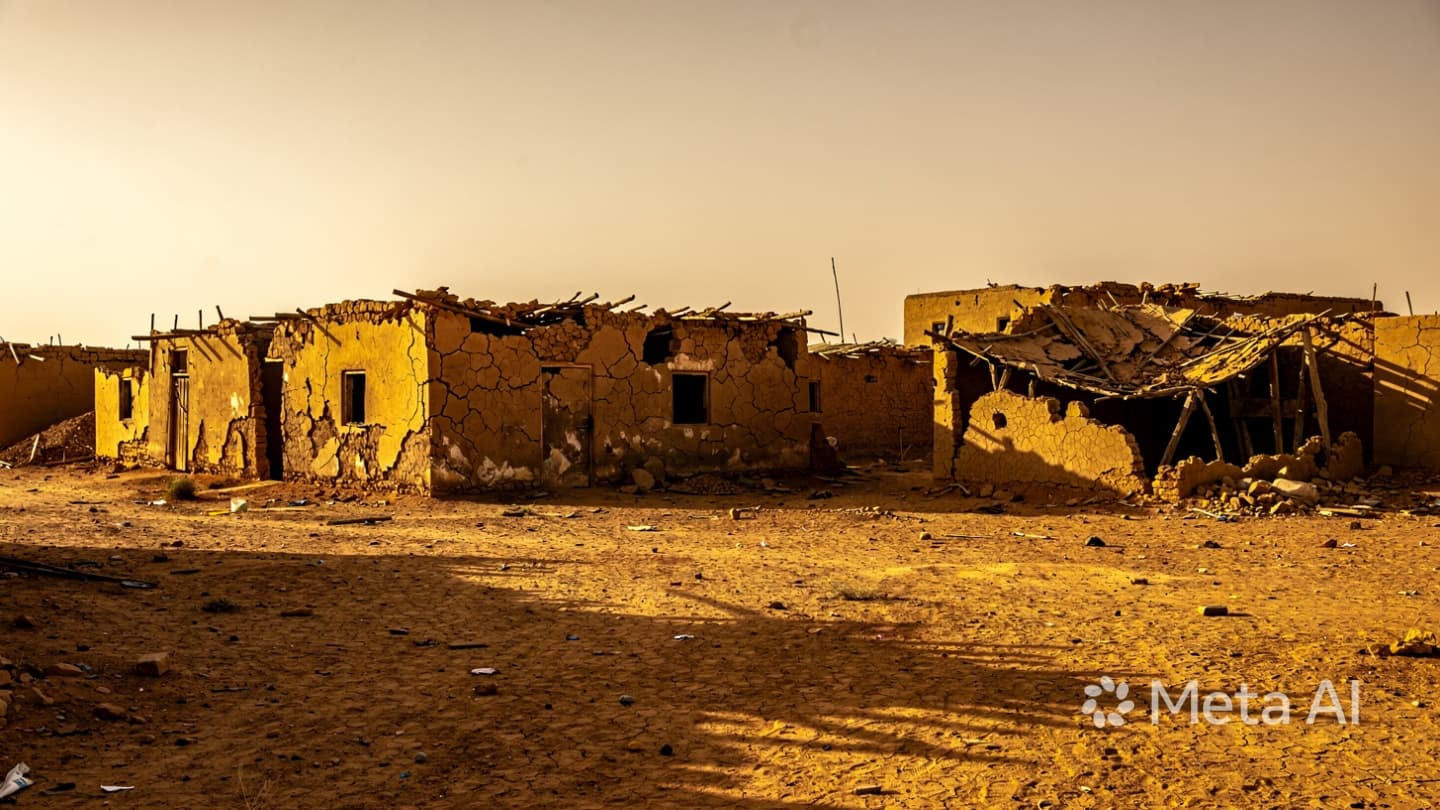
Key Highlights
- 880 casualties reported in Darfur due to recent aerial strikes.
- The conflict has shifted to remote warfare, impacting civilian life.
- UN observers describe profound trauma in affected communities.
The sky over Darfur has long been a canvas of shifting sands and the relentless heat of a sun that knows no mercy. In recent months, however, the heavens have offered a new and terrifying geometry—the silent, mechanical drift of the drone, a predator that leaves no footprint until the moment of its descent. It is a modern haunting in an ancient landscape, where the traditional sounds of the wind through the acacia trees are increasingly punctuated by the sharp, clinical finality of a strike. To live beneath this canopy is to exist in a state of suspended breath, where the open horizon, once a symbol of nomadic freedom, has become a space of profound and unpredictable exposure.
A heavy silence has settled over the regional administrative hubs and the remote settlements of the Darfur plateau following the release of harrowing figures from the United Nations. The report, a ledger of human cost in an era of remote warfare, suggests that some 880 souls have been extinguished in the wake of recent aerial campaigns. These were not statistics in life; they were the tenders of livestock, the gatherers of water, and the children who played in the long shadows of the late afternoon. The math of the conflict is a cold thing, but the reality on the ground is written in the scorched earth and the sudden, empty seats at family meals.
There is a reflective distance in the way technology interacts with the desert floor, a detachment that separates the finger on the trigger from the dust raised by the impact. In the narrative of modern struggle, the drone represents the ultimate removal of the witness, yet for those remaining in the path of the conflict, the presence is intimately felt. The air quality changes after such events, carrying the acrid scent of sulfur and the metallic tang of machinery that has outstayed its welcome. It is a transformation of the environment itself, where the geography of the home is rendered into a map of tactical coordinates.
The movement of people across the Darfurian expanse has become a hesitant, rhythmic retreat from the open spaces. Communities that once thrived on the connectivity of trade routes now hunker down as the sun reaches its zenith, wary of the metallic glint in the blue. There is a sense of betrayal in the air, a feeling that the very atmosphere has been weaponized against the vulnerable. The UN observers, working from the periphery of the most intense zones, describe a landscape of profound trauma, where the psychological weight of the "invisible rain" is as devastating as the physical wreckage left in its wake.
Varying reports from local monitors suggest that the strikes often occur in clusters, targeting areas where the lines between combatant and civilian have been blurred by the chaotic nature of the displacement. Yet, the high number of non-combatant casualties speaks to a failure of precision or, perhaps, a tragic indifference to the human geography of the region. The elders in the camps speak of a time when conflict had a face and a voice, a contrast to the current era where death arrives from a point in the sky that the eye can barely register. It is a shift in the nature of suffering, one that feels both futuristic and ancient.
As the international community grapples with the implications of these findings, the families of the 880 continue their quiet work of mourning in a land where the earth is hard and the water is scarce. The burials are often swift, conducted under the watchful eye of the horizon, a necessity of both tradition and safety. There is a dignity in these ceremonies that stands in stark opposition to the clinical nature of the strikes that necessitated them. Each mound of earth is a testament to a life that had a name, a history, and a future that was unceremoniously retracted by a machine.
The rhetoric of the warring factions often bypasses the reality of the civilian toll, focusing instead on strategic gains and the neutralization of threats. However, the editorial of the land itself tells a different story—one of broken pottery, charred grain, and the persistent, haunting hum of the unseen. The intervention of the United Nations serves as a rare mirror held up to the conflict, reflecting a reality that many would prefer to remain obscured by the dust of the desert. It is a call for a return to a world where the sky is once again a source of light and rain, rather than a theater of remote-controlled tragedy.
In the gathering twilight of the Darfurian night, the shadows grow longer, and the stories of those lost echo in the silence, a reminder of the urgent need for peace and accountability in a region that has suffered for far too long.
Published by Banx Network. This article is part of the Banx decentralized media programme, powered by the BXE token on the XRP Ledger.



