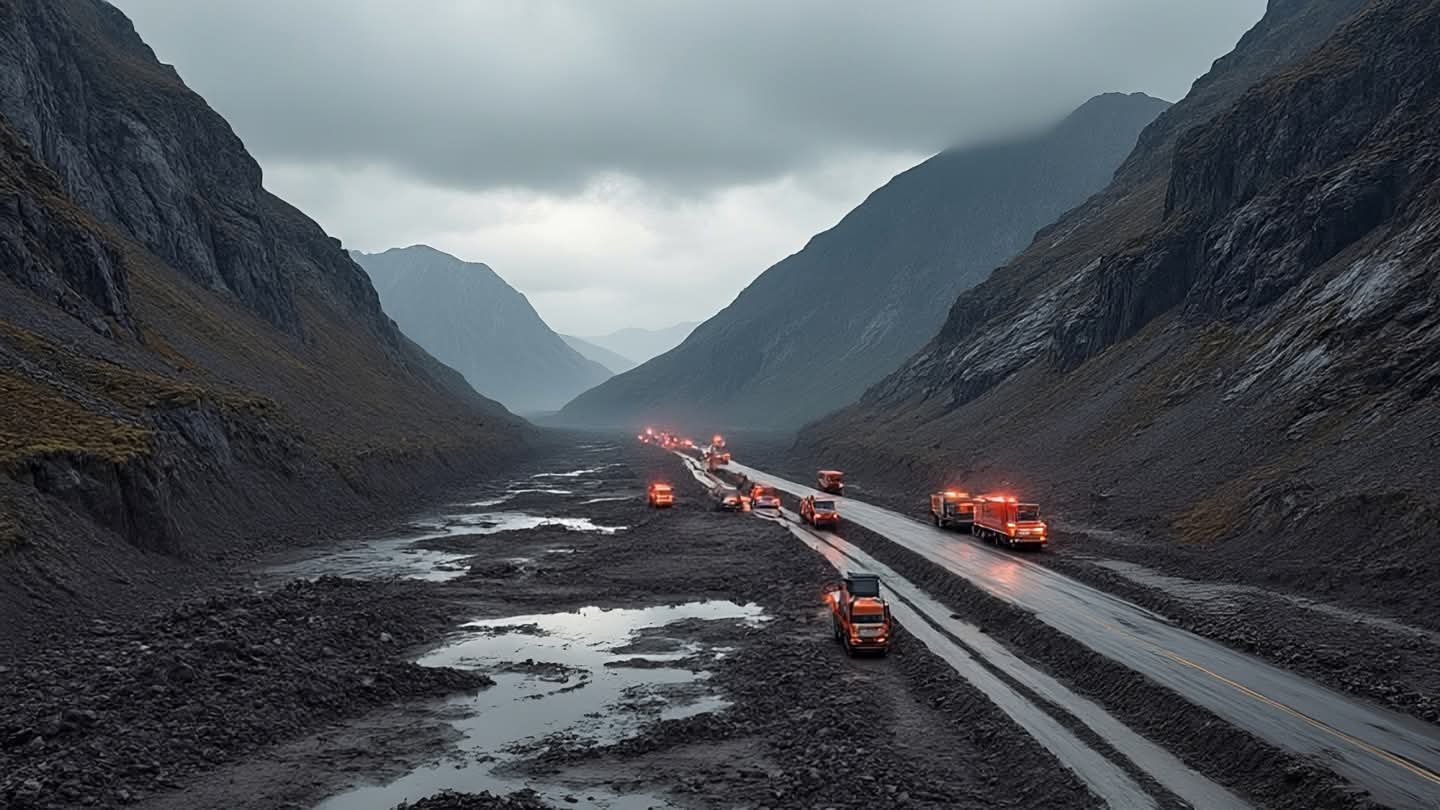
Jakarta, Indonesia—A sudden, violent cloudburst overwhelmed local river channels early this morning, sending a fast-moving wall of water through a densely populated residential district. The deluge crested riverbanks within twenty minutes, trapping hundreds of families inside low-lying concrete dwellings before emergency sirens could be fully activated. National disaster management officials confirmed eight individuals drowned in the initial surge.
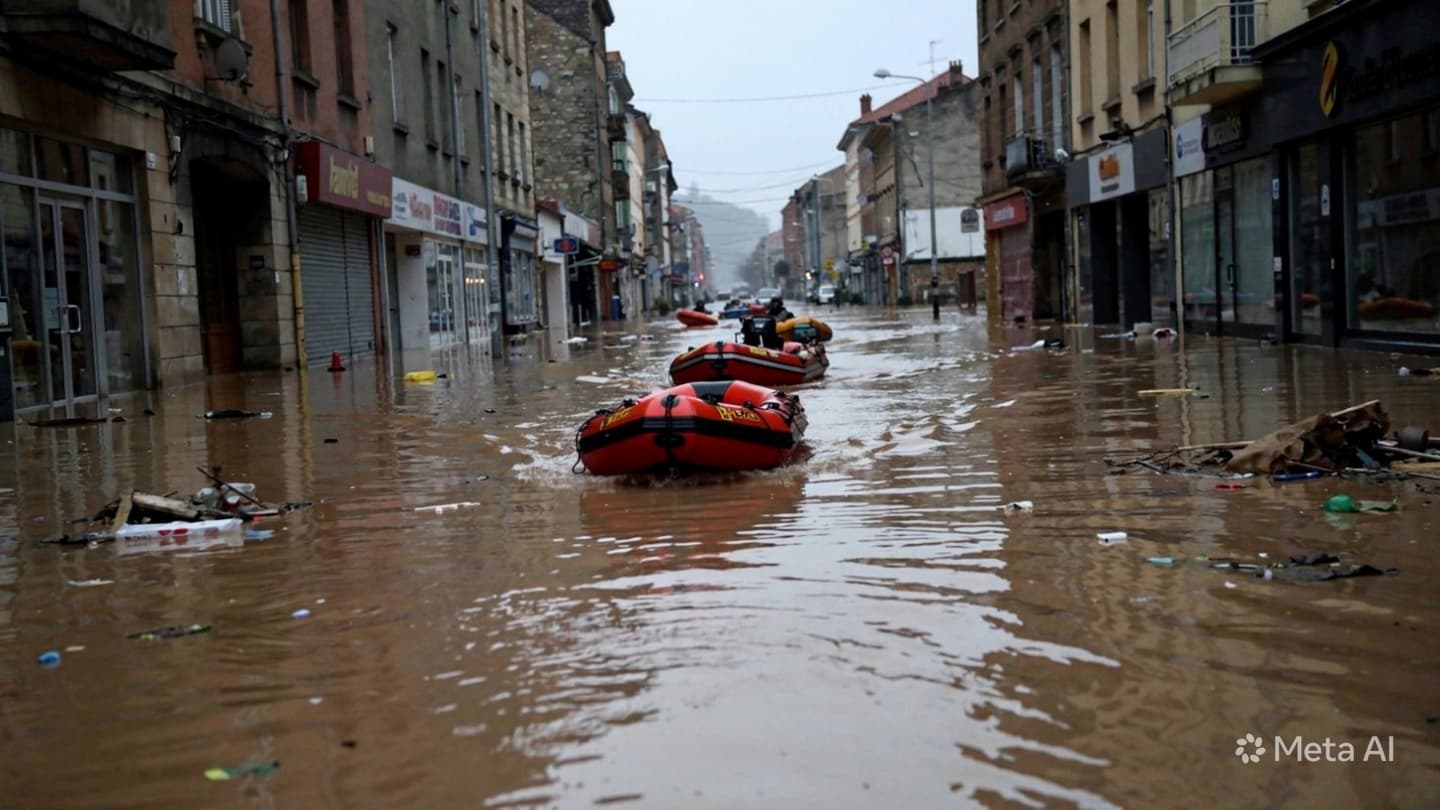
Water levels in the narrow alleys reached over two meters high, submerging vehicles and turning primary streets into rushing torrents of muddy debris. Specialized rescue squads used inflatable rafts to pluck stranded residents from rooftops and upper-story windows. The force of the current dragged furniture, detached roofs, and severed power lines down the main avenue.
Civil defense teams established four emergency evacuation centers on higher ground to house over twelve hundred displaced citizens. Many arrived with nothing but the wet clothes they wore, requiring immediate medical screening for exposure and lacerations. Local volunteers are distributing dry blankets, clean drinking water, and basic rations to the crowded shelters.
An official statement from the meteorological agency indicated that the storm dropped over one hundred millimeters of rain in less than three hours. The urban drainage infrastructure, which has suffered from chronic maintenance backlogs, simply could not process the volume. Water backed up through the canal networks, reversing directly into the surrounding neighborhood streets.
Urban planning critics pointed out that the affected district was built over historical marshlands that formerly acted as natural flood basins. Encroachment by commercial developments over the last three years has stripped the area of its remaining soil absorption capacity. Municipal offices have routinely deflected questions regarding zoning violations and concrete over-development in the river valley.
Power utilities cut electricity to the entire sector by mid-afternoon to prevent widespread electrocution risks from submerged transformers. The lack of power has disabled local water pumping stations, creating an immediate shortage of potable water across the unflooded fringes of the district. Technicians are waiting for water levels to recede before assessing grid damage.
Health officers expressed immediate concern regarding the potential spread of waterborne illnesses as raw sewage mixed freely with the floodwaters. Medical tents are being erected near the shelters to administer preventative care and monitor for signs of vector-borne outbreaks. The standing water is expected to remain trapped in the low-lying pockets for days.
As night fell, boat crews continued patrolling the dark alleys, flashing searchlights into abandoned structures to verify that no residents remained trapped inside. The sound of running water remained constant as drainage canals slowly moved the massive volume toward the coast. Progress is slow due to the massive volume of plastic waste choking the outflow gates.
The immediate objective remains the complete evacuation of the flooded perimeter and the securing of unstable foundations. City engineers are scheduled to inspect the integrity of local retaining walls tomorrow morning to determine if further collapses are imminent. The weather forecast indicates that secondary storm fronts are generating off the coast.
Published by Banx Network. This article is part of the Banx decentralized media programme, powered by the BXE token on the XRP Ledger.