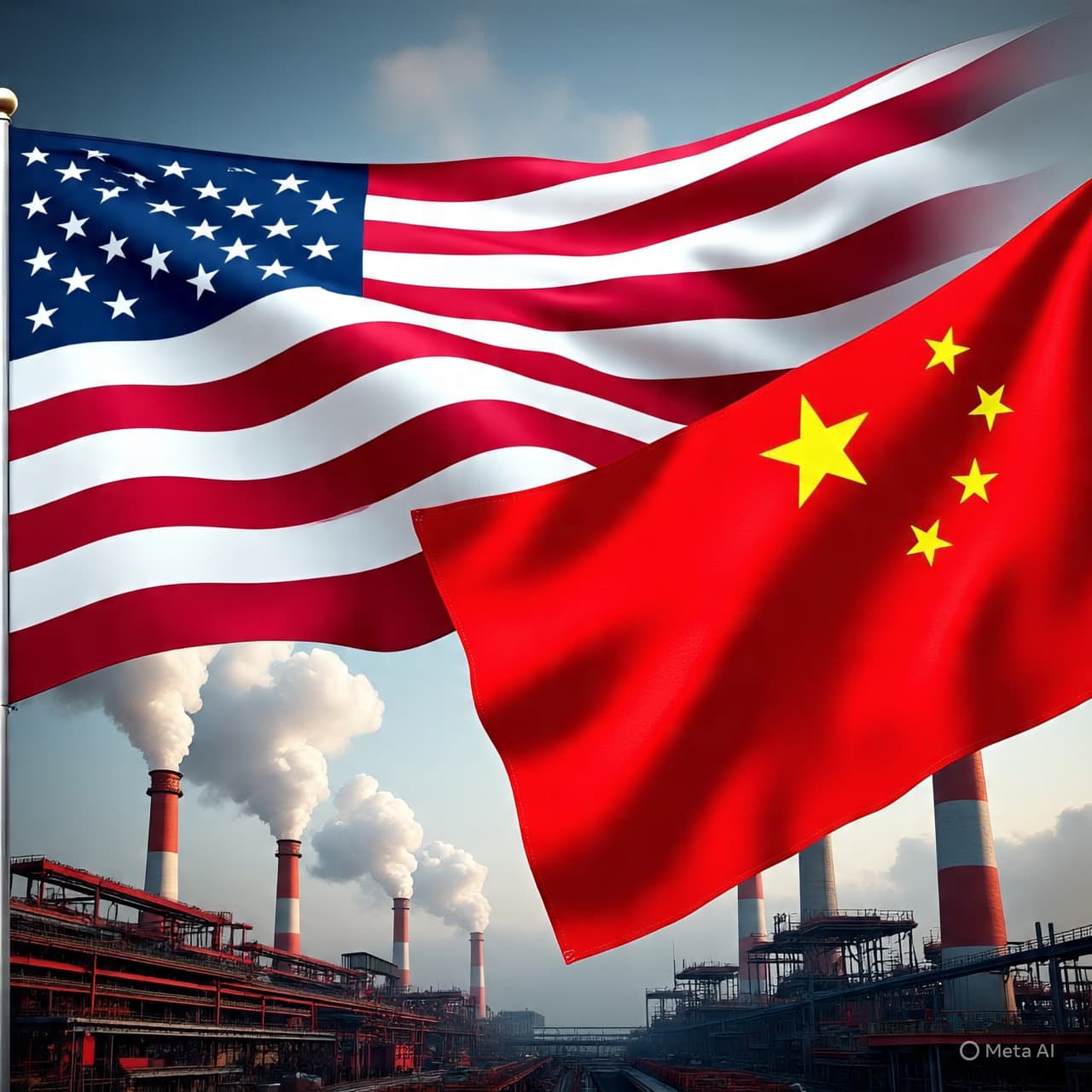
International negotiations often resemble a high-stakes chess game, where every move carries potential gains and risks. In the latest round, China is pressing the United States to ease restrictions on Chinese investments, offering a substantial economic incentive in return. The discussion centers on a massive investment package, with Beijing seeking reductions in tariffs for inputs used by Chinese factories that could be built on U.S. soil.
According to Bloomberg reporting, Chinese officials are positioning the proposal as a win-win: the U.S. could benefit from capital inflows, job creation, and new industrial activity, while China gains greater access to the American market and regulatory relief. The move reflects a broader strategy by Beijing to leverage investment promises to influence U.S. policy, particularly in areas where trade restrictions have previously hampered cross-border deals.
Observers note that while the proposal could provide tangible economic benefits, it comes amid lingering political sensitivities. Past efforts to allow Chinese firms greater footholds in U.S. industries have sparked concerns about national security, technology transfer, and the broader strategic balance. Any agreement would require careful balancing of these considerations alongside the economic incentives.
The scenario underscores the complexity of modern economic diplomacy. Investments are not merely financial instruments; they are levers of influence, signaling intent and testing the boundaries of bilateral cooperation. As talks continue, both sides will weigh immediate economic gains against long-term strategic implications, demonstrating how intertwined policy, commerce, and diplomacy have become.
Published by Banx Network. This article is part of the Banx decentralized media programme, powered by the BXE token on the XRP Ledger.