
Key Highlights
- China has filed a $50.5 billion lawsuit against Missouri, claiming economic and reputational harm.
- The lawsuit is a response to Missouri's previous claims against China regarding COVID-19.
- Legal experts question the enforceability of the lawsuit under international law.
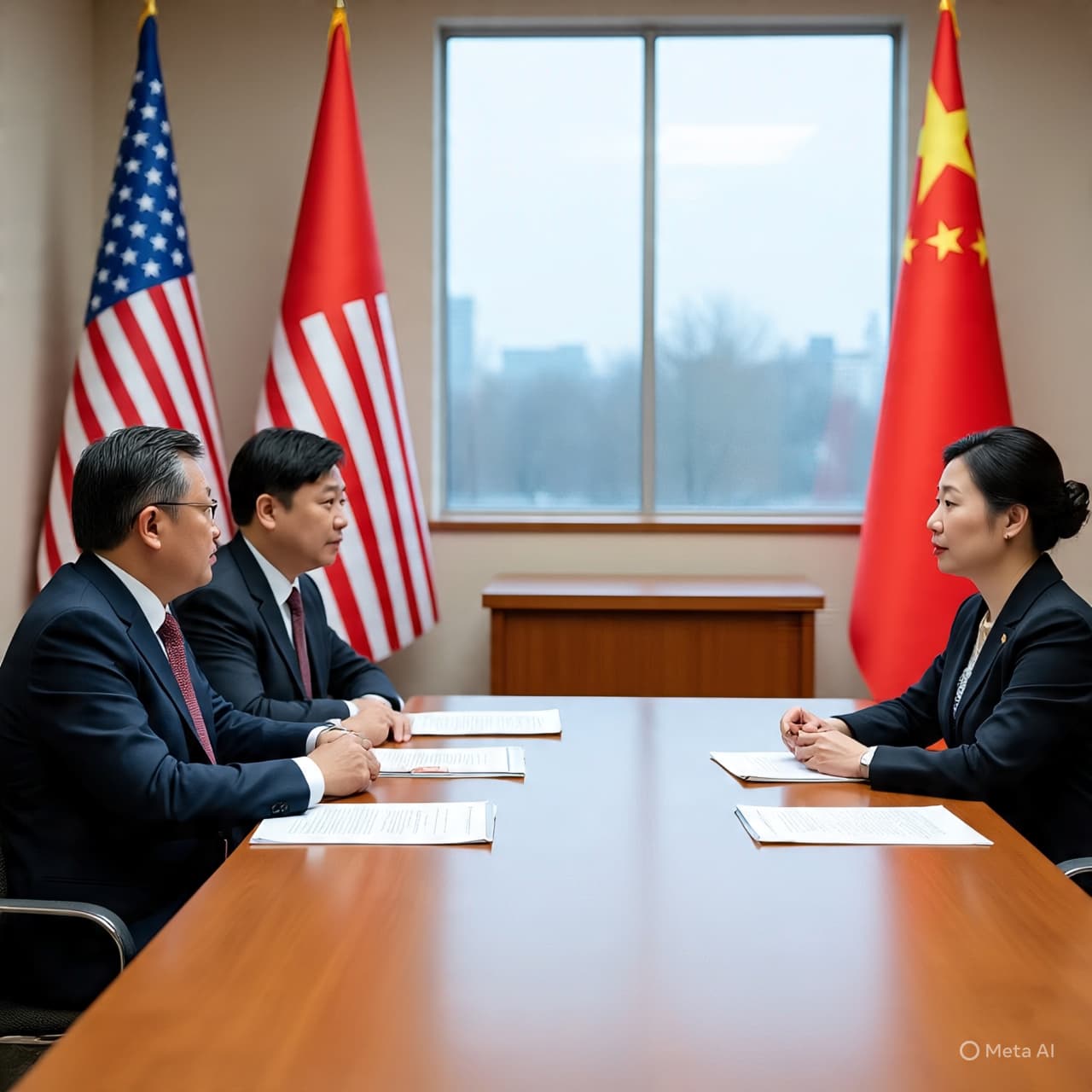
In a significant development in international legal affairs, the People’s Republic of China has initiated a lawsuit against the U.S. state of Missouri, alleging that the state poses an “economic and reputational threat” to its interests. This lawsuit, filed in the Intermediate People’s Court of Wuhan, represents a notable escalation in the ongoing legal disputes that have emerged in the wake of the COVID-19 pandemic.
The origins of this legal confrontation can be traced back to Missouri's own lawsuit against China, which was first filed in 2020. Missouri accused China of hoarding essential personal protective equipment (PPE) during the early stages of the pandemic, actions that the state claimed resulted in significant economic damage to its residents and institutions. In March 2025, a federal court ruled in favor of Missouri, awarding the state a default judgment of approximately $24 billion after China failed to participate in the proceedings.
China's recent complaint, however, shifts the narrative. The lawsuit, which includes plaintiffs such as the People’s Government of Wuhan Municipality and the Wuhan Institute of Virology, seeks around $50.5 billion in damages and legal costs. It argues that Missouri's actions have severely harmed China's reputation and its “soft power,” jeopardizing the global standing of Chinese scientific institutions and threatening the nation’s sovereignty and developmental interests. Additionally, the lawsuit demands public apologies in prominent media outlets in both the U.S. and China.
Missouri officials have characterized the lawsuit as a “stalling tactic” and a form of legal counterpressure. Attorney General Catherine Hanaway stated that China’s filing confirms that Missouri's claims have struck at the heart of critical issues regarding accountability during the pandemic. U.S. Senator Eric Schmitt, who is named as a defendant in the case, expressed his intention to “wear” the lawsuit “like a badge of honor,” framing it as part of a broader effort to hold China accountable for its actions during the pandemic.
Legal experts are closely examining the implications of China’s strategy, which involves filing in a Chinese court while targeting U.S. state officials. This raises complex questions about jurisdiction, enforceability, and the role of international litigation in geopolitical disputes. Under principles of international sovereign immunity, foreign states and government officials are generally protected from lawsuits in each other's courts, except in limited circumstances. The practical effects of China’s legal action remain uncertain, with many observers questioning whether it will lead to any tangible outcomes beyond political signaling.
This legal saga highlights the increasing tensions between legal activism and international diplomacy in a post-pandemic context. What began as a state-level initiative to seek accountability for economic losses has transformed into a rare instance of cross-border legal retaliation. It illustrates the unpredictable intersections of public health, law, and geopolitics, as well as the potential for historical grievances to resurface in courts far removed from the original crisis.
Published by Banx Network. This article is part of the Banx decentralized media programme, powered by the BXE token on the XRP Ledger.



