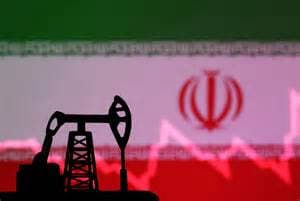
Drivers across the country may soon find that filling up their tanks costs more, as a combination of global market forces and domestic pressures begins to reshape fuel prices. After a period of relative stability in many regions, signs are emerging that the balance between supply, demand, and production costs is shifting once again.
Energy markets remain sensitive to global developments, including geopolitical tensions, production decisions by major oil-producing countries, and disruptions to shipping and refining. When supply becomes constrained or uncertain, prices tend to respond quickly, often reaching consumers in the form of higher costs at the pump. Even modest changes in global output or transportation flows can ripple through fuel markets.
At the same time, seasonal demand patterns are starting to play a role. As travel increases and transportation activity rises, fuel consumption typically follows. Refineries often adjust operations for maintenance cycles and seasonal fuel blends, which can temporarily tighten supply and add upward pressure on prices.
Domestic factors also contribute to the outlook. Transportation costs, refining capacity limits, and regulatory requirements all shape fuel pricing in ways that are not always visible to consumers. When multiple pressures converge—global supply concerns, seasonal demand growth, and infrastructure constraints—the result is often a gradual but noticeable rise in prices.
For many households, higher fuel costs arrive at a difficult moment, adding to broader concerns about affordability and everyday expenses. Fuel remains a basic necessity for commuting, logistics, and daily life, making even small increases widely felt across communities and local economies.
Looking ahead, the direction of fuel prices will depend on how global production, geopolitical stability, and domestic supply conditions evolve. While sudden spikes are never guaranteed, the underlying trends suggest that drivers should prepare for a period of higher costs, reflecting a market once again moving toward tighter conditions rather than abundance.
AI Image Disclaimer
This image was generated using artificial intelligence and is intended for illustrative purposes only.
Sources
Reuters Associated Press Bloomberg CNBC The New York Times
Published by Banx Network. This article is part of the Banx decentralized media programme, powered by the BXE token on the XRP Ledger.