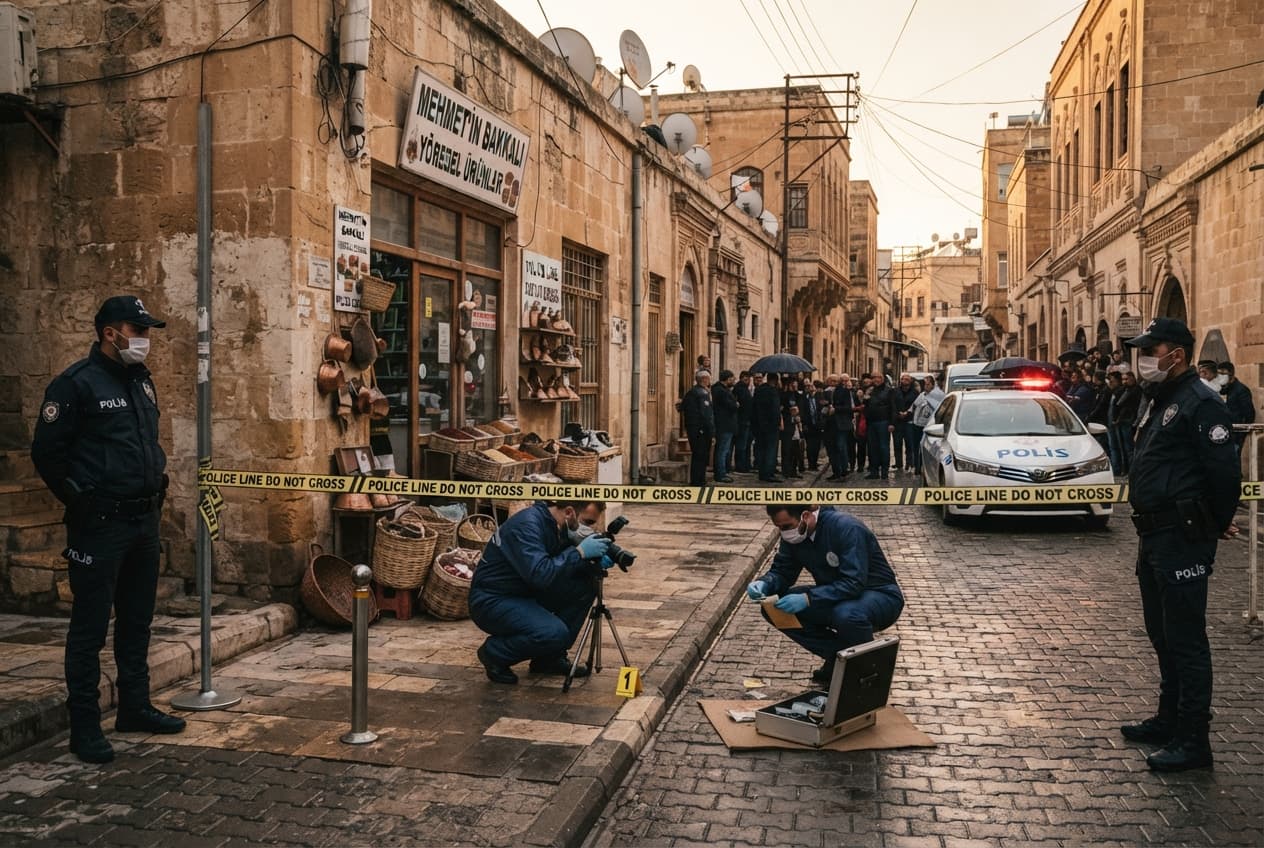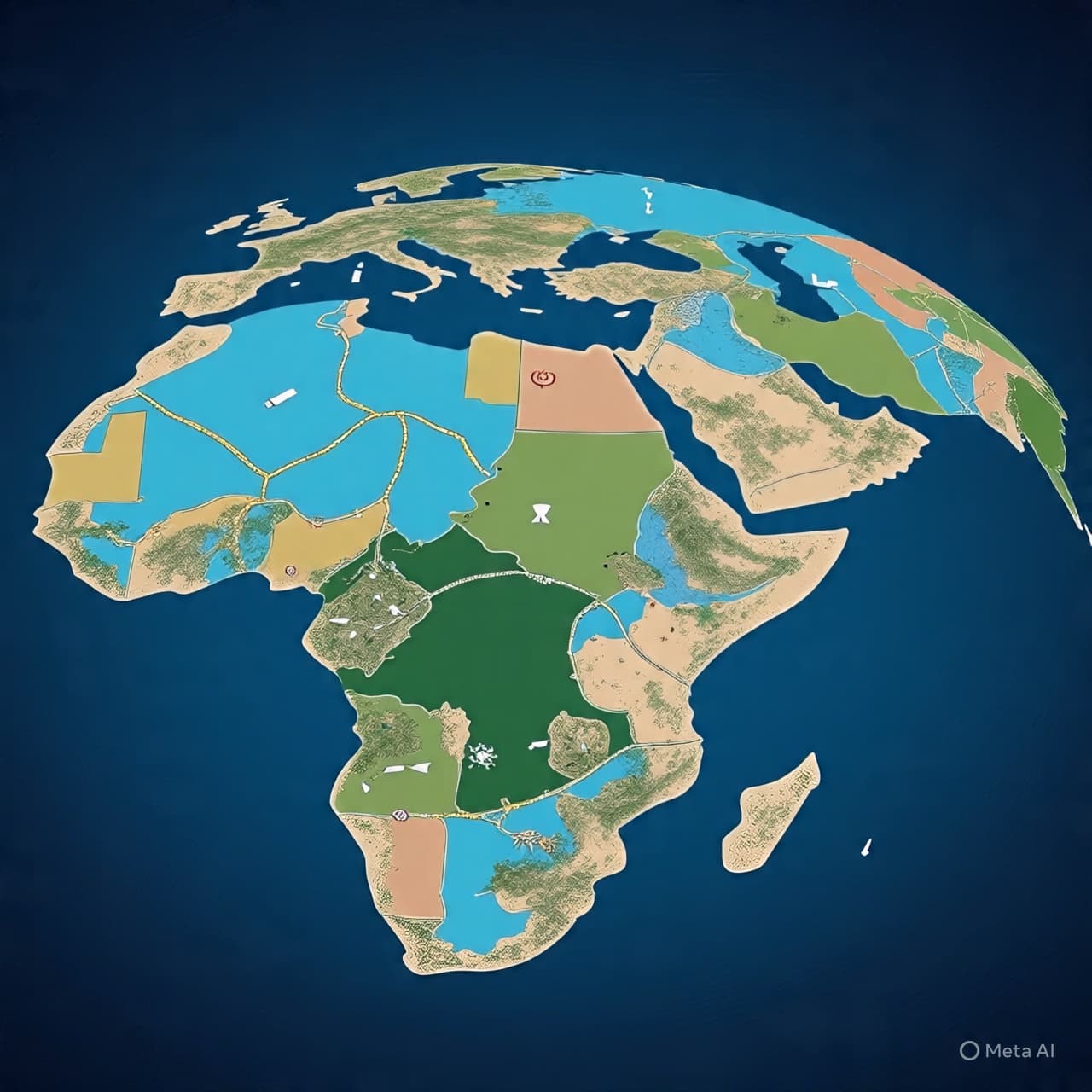
The waters of the Persian Gulf have long carried the rhythms of global trade and quiet diplomacy. Tankers glide across narrow straits, and coastal cities watch the horizon where ships and aircraft trace familiar paths. Yet in recent days, the calm surface of that horizon has begun to ripple with uncertainty.
Missiles and drones have crossed the skies above the Gulf region as the confrontation involving Iran, the United States, and regional allies continues to deepen. The conflict, which expanded rapidly after military strikes earlier in the crisis, now reaches across several countries, placing strategic ports, military bases, and energy infrastructure under renewed tension.
Iranian officials say their actions are part of a broader response to attacks on their territory and leadership. In statements released through government channels, Iran’s leadership has insisted that its military operations are directed primarily at U.S. military positions and assets connected to ongoing hostilities. Yet several Gulf states have reported projectiles crossing their airspace or striking nearby areas, heightening fears of wider regional instability.
Missile and drone attacks have been reported across multiple Gulf nations since the escalation began. Air defense systems in countries including the United Arab Emirates, Qatar, and Bahrain have intercepted many incoming projectiles, though debris and explosions have caused damage and civilian injuries in some areas. Some strikes have also targeted locations connected to U.S. military infrastructure in the region.
The confrontation has also affected maritime routes. The Strait of Hormuz—one of the world’s most vital shipping corridors—has become a focal point of concern, with warnings issued about vessel safety and disruptions to commercial traffic. Several tankers have reportedly been damaged during the crisis, raising fears about global energy supplies and regional economic stability.
Amid the rising tensions, Iran’s leadership delivered a message that carried both apology and accusation. President Masoud Pezeshkian issued a statement expressing regret to neighboring Gulf nations that had been affected by missile and drone attacks, describing the incidents as part of a broader confrontation rather than an intentional effort to target regional partners.
At the same time, Iranian officials argued that the opportunity for regional de-escalation had been undermined by the response from Washington. Iran’s foreign minister said that earlier signals suggesting a pause in strikes toward neighboring states had effectively been “killed” after President Donald Trump dismissed the gesture and threatened additional military action.
Trump, for his part, has taken a firm stance, warning that Iran could face further strikes if hostilities continue. The U.S. president has also reiterated his demand that Iran accept what he describes as unconditional surrender as the only clear path toward ending the confrontation.
The exchange of statements has left the region navigating a difficult moment. On one side are diplomatic messages suggesting restraint toward neighboring countries. On the other are continuing military operations that stretch from the skies above Gulf cities to the narrow waters of the Hormuz corridor.
For Gulf states situated between powerful actors, the situation presents a delicate balance. Governments in the region have emphasized the need to protect their populations and infrastructure while avoiding deeper involvement in a conflict that could reshape the security landscape of the Middle East.
As the crisis enters another uncertain phase, both military movements and diplomatic messages continue to travel across the region at the same time.
For now, officials across multiple capitals say the situation remains fluid, with defense systems on alert and diplomatic channels still active as governments search for ways to prevent the conflict from expanding further.
AI Image Disclaimer Graphics are AI-generated and intended for representation, not reality.
Sources (media names only, as requested):
The Guardian Financial Times CBS News Reuters Al Jazeera
Published by Banx Network. This article is part of the Banx decentralized media programme, powered by the BXE token on the XRP Ledger.