
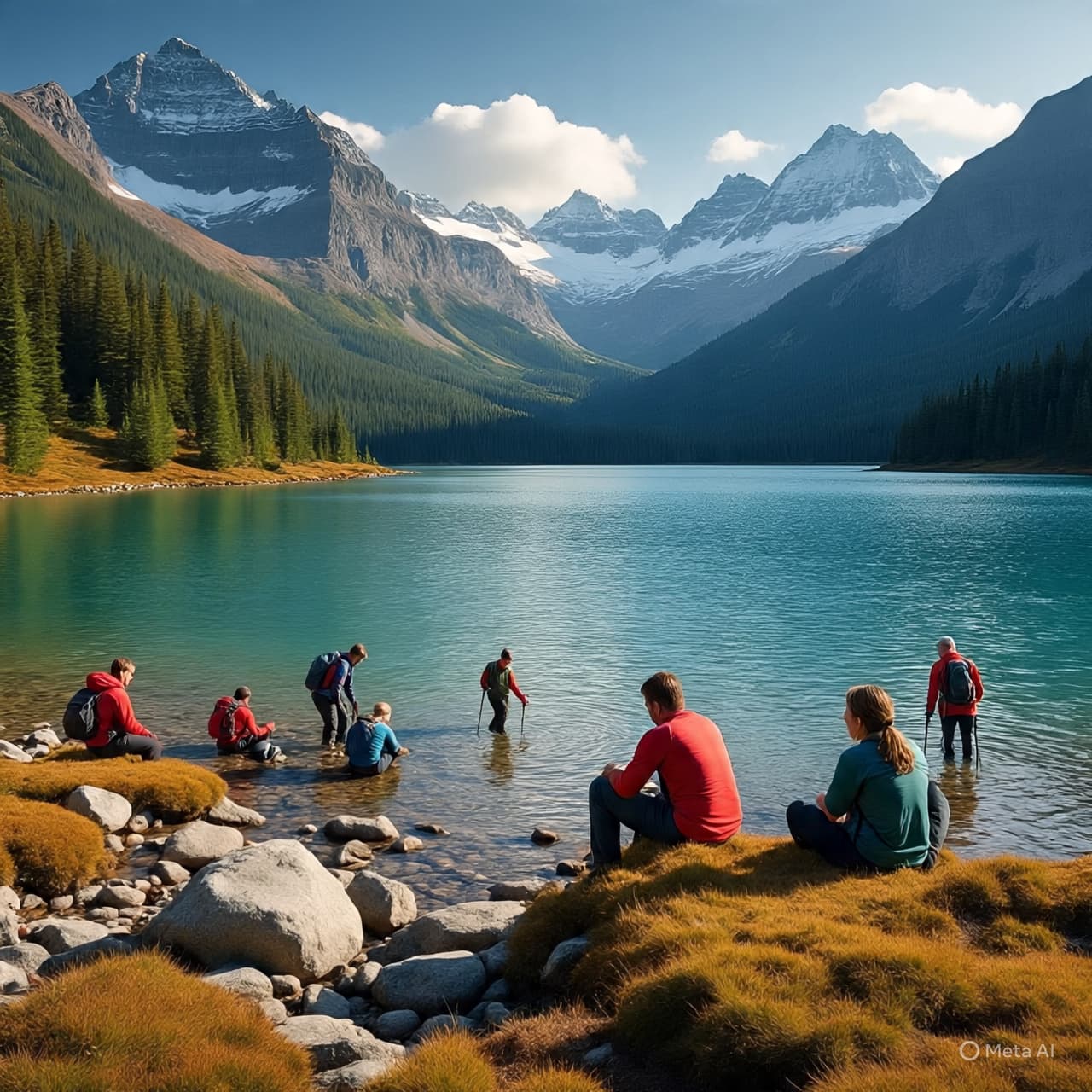
Key Highlights
- Increased Popularity:A national park lake saw visitor numbers surge due to social media exposure.
- Environmental Consequences:The influx of tourists has led to erosion and littering in previously pristine areas.
- Management Challenges:Park authorities are balancing public access with environmental preservation efforts.
The serene alpine lake, once a hidden gem for seasoned hikers, has become a victim of its own beauty in the age of social media. Nestled within a national park, this crystal-blue body of water was primarily known to those willing to brave rugged trails for a moment of solitude. However, the rise of platforms like Instagram, TikTok, and YouTube has transformed this tranquil spot into a hotspot for influencers and casual visitors alike, eager to capture the perfect shot for their followers.
Historically, the lake attracted only a handful of hikers each day. By 2025, however, daily visitor counts skyrocketed, often exceeding several hundred, with peak days drawing in even more. This dramatic increase is largely attributed to the viral nature of social media, where stunning visuals and geotagged posts have propelled the lake from obscurity to a must-visit destination almost overnight.
The consequences of this surge in foot traffic are evident. Vegetation along the shoreline has been trampled, fragile soils have eroded, and informal paths have emerged where only a few footprints once lay. Litter and human waste have become common sights, highlighting a broader issue of overtourism — a phenomenon where concentrated visitation driven by online trends exceeds the ecosystem's capacity to cope with the impact.
Park managers are now faced with a challenging dilemma. While they acknowledge the importance of public access to these natural landscapes, formalizing trails to accommodate the growing crowds could inadvertently encourage even greater visitation, potentially worsening environmental degradation. Instead, authorities have shifted their focus towards rehabilitation efforts, collaborating with advocacy groups to enhance existing paths, control erosion, and educate visitors about Leave No Trace principles. This approach aims to strike a balance between preserving the natural beauty of the area and accommodating the influx of visitors.
This situation is emblematic of a broader trend known as Instagram tourism, where the rapid dissemination of scenic spots through social media can lead to overcrowding and strain on infrastructure. Critics argue that the quest for the perfect photograph often overshadows the need to respect and protect these landscapes, turning once-quiet areas into pressure points for fragile ecosystems.
The story of this national park lake serves as both a cautionary tale and a call to action. It reminds us that wild places are not merely backdrops for social media posts; their preservation relies on responsible and thoughtful visitation. As we navigate this digital age, it is crucial to rethink how we share and experience the natural wonders around us, ensuring that future generations can enjoy these pristine environments.
Published by Banx Network. This article is part of the Banx decentralized media programme, powered by the BXE token on the XRP Ledger.



